
Thryv Therapeutics
SHARED STORIES & BLOG

Abrielle was two when diagnosed with LQTS Type 3
Two weeks after doctors told her parents she was the “picture of health”, Abrielle suffered a sudden cardiac arrest. Fortunately, her father was able to perform CPR until emergency personnel arrived.

In 2014, when two-year-old Abrielle went in for a checkup, doctors told her parents she was the “picture of health”. Two weeks later, she suffered a sudden cardiac arrest at home on a Saturday morning. Fortunately, her father was able to perform CPR for the 10 minutes it took for emergency personnel to arrive.
After multiple attempts, they were able to cardio-convert her heart. Abrielle then spent three weeks in the hospital recovering her motor and language skills and waiting for her heart to stabilize. During this time, she was diagnosed with Long QT Syndrome Type 3 and was implanted with an implantable cardioverter-defibrillator (ICD). The diagnosis was understandably quite traumatic for her parents, as Abrielle, being just two years old, had difficulty communicating her feelings about the experience.
It has now been nine years since Abrielle’s initial cardiac arrest and her Long QT Syndrome diagnosis. Abrielle's family is grateful for the excellent care provided by Dr. Michael Ackerman, Abrielle's physician, which has helped her maintain a relatively stable condition despite being a high-risk patient due to her long QT interval. When Abrielle was diagnosed, her family delved deep into researching the condition, which is how they discovered Dr. Ackerman, a world-renowned specialist in Long QT Syndrome.
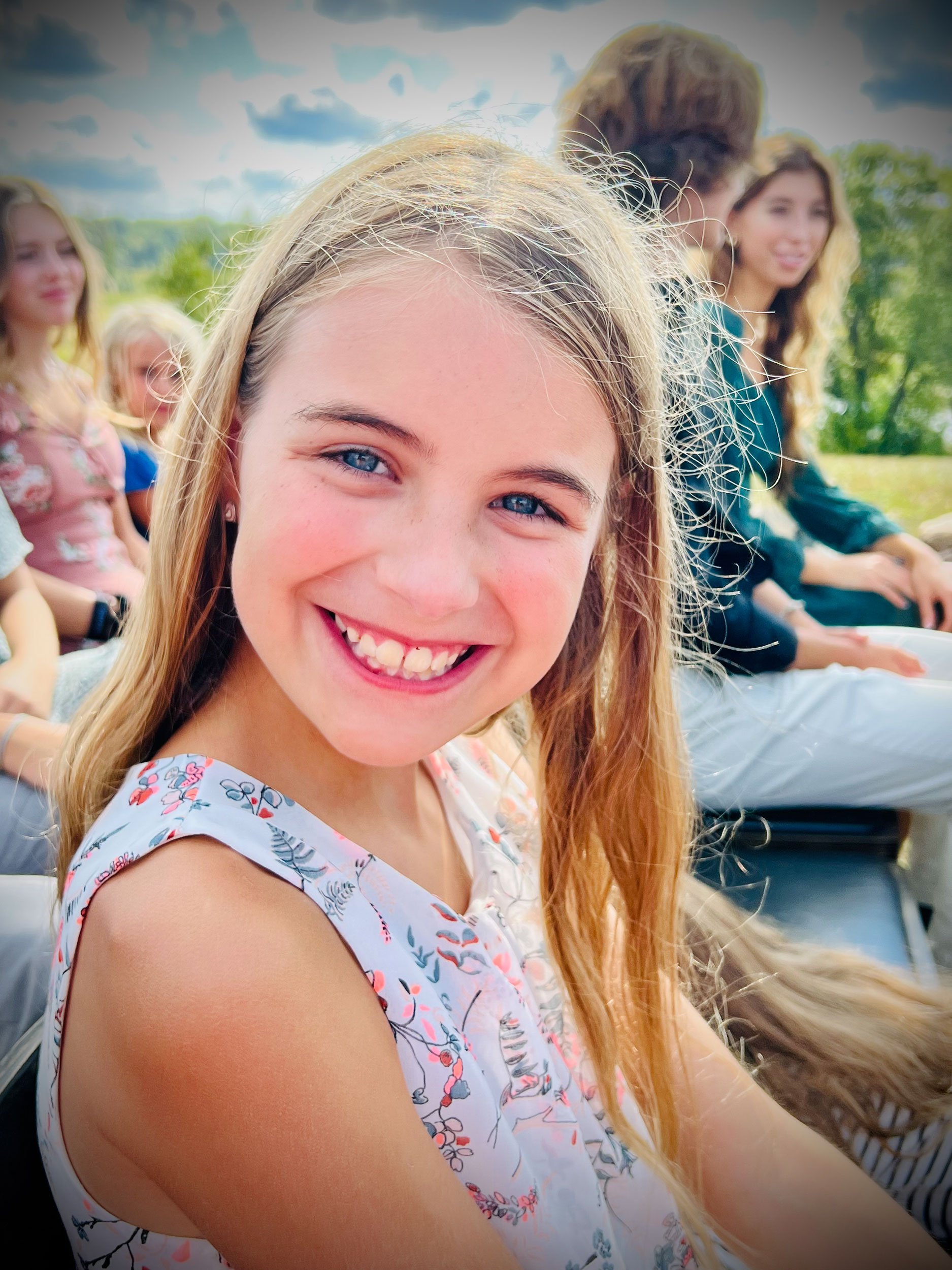
Although Abrielle has been relatively stable, there have been scary moments for the family since the initial diagnosis. This past February, Abrielle fainted and experienced multiple episodes of ventricular fibrillation while sledding with her siblings.
"It was a stark reminder to us of the reality of the serious nature of her heart condition. She is and appears to be completely healthy on the outside – and yet, her heart arrhythmia disorder can show up completely out of the blue, with no warning and with serious consequences," says Abrielle's mother, Angela.
Abrielle's family manages her condition by keeping her on a strict medication schedule, taking medicine at three specific intervals throughout the day. This schedule enables Abrielle to lead an otherwise active, normal, and happy life as a young girl. She enjoys exploring the outdoors, playing with her friends, reading books, attending dance classes, and swimming as often as possible in the family pool. Her message for those newly diagnosed with Long QT Syndrome is to not be afraid.
"I hope that by sharing my story, others can learn about Long QT and know that people like me who have it, can be happy and healthy. I know that having Long QT means my heart is different, but I look at it that it makes me special, and it makes me extra happy and thankful to be alive."


Rob’s not stopping for LQTS Type 2
Rob’s message to the Long QT community is to not fear their diagnosis. He lives his life by the same philosophy he applies in racing: Control what you can control.


In 2006, Rob’s first cousin once removed received a diagnosis of Long QT Syndrome after experiencing multiple fainting episodes that required hospitalization. The diagnosis prompted the rest of Rob's family to undergo testing, and it was discovered that Rob and his brother both had Long QT Type 2.
As a precautionary measure, Rob received a cardiac defibrillator implant following his diagnosis. Although the surgery was initially daunting, he eventually adapted to living with the device. However, it wasn't until 2011 that he discovered his love for running.
Since then, Rob has participated in numerous endurance events, including four ultra-marathons, nine marathons, twenty-five half-marathons, six half ironman races, one ironman race, and many sprint triathlons. Running has become his passion and a means for him to become the best version of himself.
This past weekend, on April 23 at the London Marathon, Rob accomplished his personal best time of 3:26:04, with an average pace of roughly 4:51 per kilometer (7:49 per mile).
Rob's message to the Long QT community is to not fear their diagnosis. He lives his life by the same philosophy he applies in racing: "Control what you can control."
Congratulations, Rob, on the wonderful achievement, and keep on showing the Long QT community how to be relentless, one step at a time!

Inside Thryv - A Conversation with Debra Odink, President & CDO
In our new series, ‘Inside Thryv - Conversations with Employees,’ we sit down with our team members to learn about their roles and how they help drive our mission forward. First up is Thryv’s President & Chief Development Officer, Debra Odink!

Lizzie Presents to the Brigham & Women’s Hospital
Lizzie hopes sharing her experiences raising a child with an ICD and diagnosed Long QT Type 15, she will reach people it can help.

On April 6th, 2023, Lizzie presented to the Brigham & Women’s Hospital about her experiences raising a child with an ICD and diagnosed Long QT Type 15.
She hopes by sharing her story, it will reach people that it can help.
Lizzie Simon has had a prolific career as a tv and screenwriter, author, journalist, editor, teacher and producer. A graduate of Columbia University, she is the author of an acclaimed memoir, DETOUR (Atria Books) and a former arts columnist at The Wall St Journal. For more info, checkout www.lizziesimon.info and to subscribe to Lizzie's Letter, go to lizziesimon.substack.com.

Alicia’s LQTS Story
Her dad performed CPR for 20 minutes before emergency services could arrive and defibrillate her back to normal sinus rhythm. This is Alicia’s inspiring story

Alicia’s life suddenly changed 5 years ago. On June 25, 2017, Alicia had completed a mile long swim race. Then just 6 days later, on July 1st, she suffered a cardiac arrest only 5 minutes into an open water swim in Cambridge, Wisconsin—which was part of training for her first triathlon.
Luckily, her family was trailing her on a motorized boat. She looked up at her dad and mouthed “help”, but when he threw her a floatation device, she didn’t reach out for it. Her sister immediately jumped into the water and Alicia fell limp into her arms. Once Alicia was back on the boat, her dad performed lifesaving bystander CPR for 20 minutes before emergency services could arrive and defibrillate her back to normal sinus rhythm. She was then brought to Madison, Wisconsin where she was put into therapeutic hypothermia to recover.

It was the team in Madison that believed her condition to be Long QT syndrome based on the swimming incident and had her implanted with a defibrillator and pacemaker. When she returned home to Minneapolis, she underwent a series of tests. The initial exercise stress test did not show any prolonged QT, and Brugada Syndrome testing was negative as well. It was during the Epinephrine QT stress test that doctors found her prolonged QT and confirmed Long QT Syndrome. Alicia now takes a beta blocker twice per day and, along with the security of her pacemaker and defibrillator, she feels pretty good!
Unfortunately, Alicia can no longer swim but there have still been plenty of positives that came out of her near-death experience. Since her cardiac arrest, Alicia has been on a mission to spread awareness about the importance of bystander CPR. This initiative started when she created a fundraising platform called “Be Brave” that was originally meant to give back to the EMS community that saved her life. Since then, she has organized multiple charity events and raised over $25,000 through Be Brave.

Alicia is also a certified basic life support instructor. Her mission is to encourage bystander CPR, and she feels that the word “certification” scares people away from performing the lifesaving skill. Funds raised through Be Brave allow Alicia to teach hands-only bystander CPR to private groups in her community, including sports teams, schools, and even in people’s homes. Her current goal is to raise enough money through Be Brave to hire another AED trainer to grow her at-home style program.
Besides her passion for teaching CPR, Alicia already has extensive experience in healthcare. She has been a level 1 Trauma Nurse at Hennepin County Medical Center in Minnesota for the past 20 years, working in the emergency department for the past 15 of those years. She is also the mom of two boys who are very busy themselves with football, hockey, and basketball. To top it off, Alicia is an amateur charcuterie board maker! What started as a hobby with her girlfriends during COVID, turned into a business that was actually so busy she had to shut it down, and now only makes boards for special occasions.
Overall, Alicia has been living a full and rounded life since what could have been a horribly devastating day. She has learned to live with her condition and has turned the experience into an opportunity to advocate for what she believes in: Be Brave and perform bystander CPR. It can save a life!


Complete the 10-minute SADS Research Survey & Help Change Lives
The SADS Foundation is working with companies almost ready to recruit participants for first-of-their-kind clinical trials. But first, they need to learn more about the SADS community through this ten-minute survey so they can help connect you to research studies.
There’s new, exciting, and groundbreaking research on the horizon for SADS conditions.

At the SADS Foundation, they are working with companies, including Thryv Therapeutics, who are almost ready to recruit participants for first-of-their-kind clinical trials for these new therapies.
But first, they need to learn more about the SADS community. This ten-minute survey will help them learn more about you so they can help connect you to research studies you might be eligible to participate in, and helps researchers learn more about their condition communities as research progresses.
Thryv Therapeutics is supporting the SADS Foundation in this survey.

SADS Live interview with Thryv Therapeutics
Three of our team were invited to join Dr. Michael Ackerman as part of the SADS Live program. We invite you to watch this interview to learn more about our passionate team and progress, what the next steps are as we move into clinical studies, and what we are doing to challenge the current LQTS treatments.
All of us at Thryv Therapeutics Inc. are excited that three of our team were invited to join Dr. Michael Ackerman as part of the SADS Live program.
During this live interview, our Chief Medical Officer Dr. Philip Sager, Founder and Key Consultant Dr. Saumya Das of Massachusetts General Hospital, and Paul F. Truex, our Chief Executive Officer, discussed our efforts to bring new therapies to people with Long QT Syndrome and explored what drives us to challenge the status quo of current LQTS treatments.
This is part of the introduction by Dr. Michael Ackerman:
“I’m going to take you on a journey of one possible therapy for tomorrow and how it came about, from the point of discovery to the development of a new company. Then the next steps required to prove that molecule you developed might work, what pre-clinical steps the FDA requires for us to demonstrate we have a drug that works, that’s safe and worthy of an FDA approval.”
To learn more about Thryv Therapeutics’ passionate team and progress, what the next steps are as we move into clinical studies, and what we are doing to challenge the current LQTS treatments, please watch this interview recorded on January 20, 2023:
The SADS Foundation is a community of families, medical professionals, and supporters saving lives and advancing care for people with heart arrhythmia conditions that can lead to sudden death. On their website you’ll find a community of understanding, support and guidance from others navigating life with a SADS condition sads.org

What a great year we had at Thryv!
2022 was a big year for Thryv Therapeutics, and 2023 is shaping up to be even bigger. Debra Odink, President & Chief Development Officer, shares her wrap-up of the year.


During 2022, we expanded the team and are now at 16 full time employees.
We advanced our lead candidate for Long QT Syndrome to IND and completed the first part of our Phase 1 trial.
We entered into collaborations with major academic centers for our oncology program in treatment-resistant cancers.
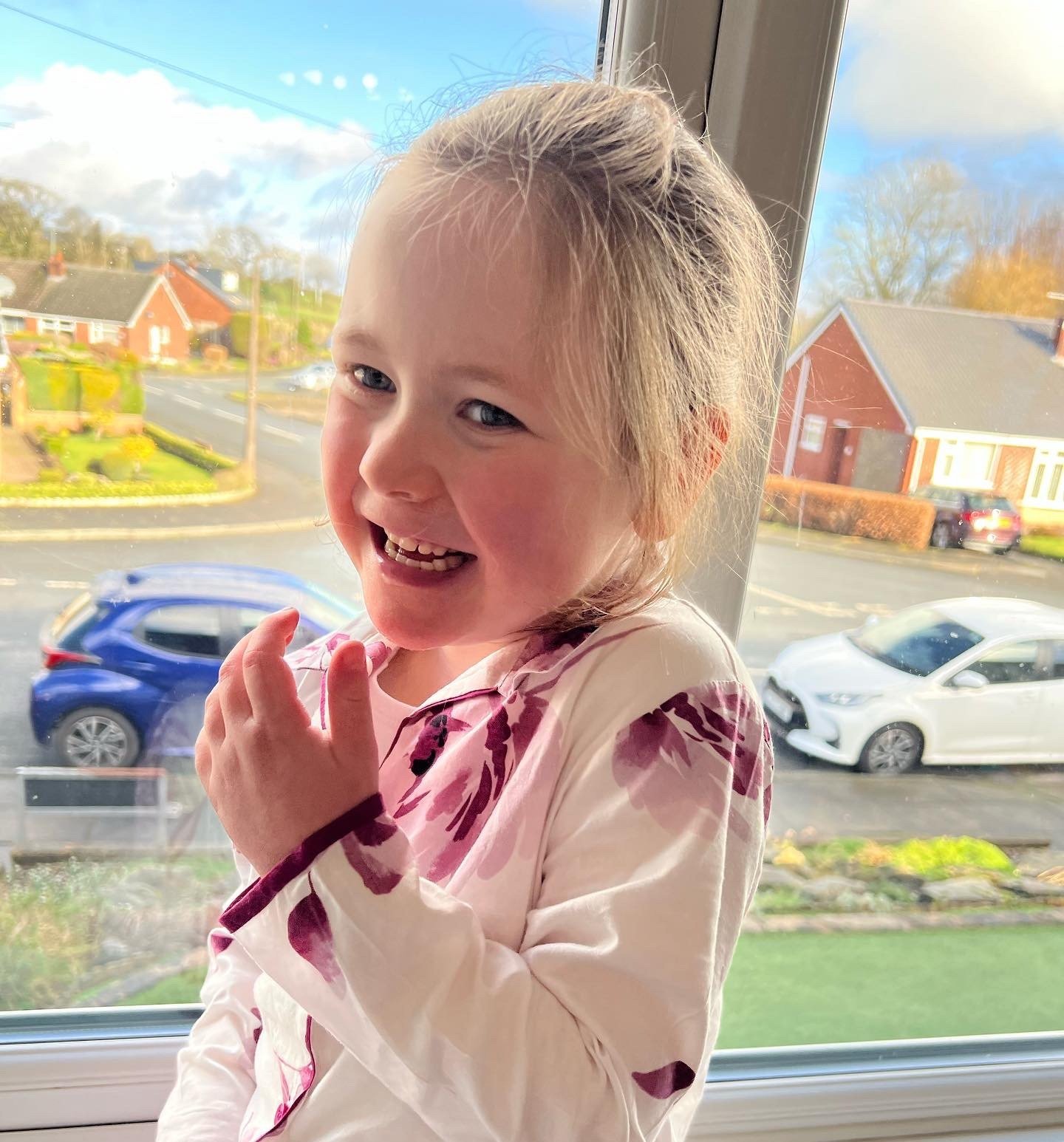
On a sad note, our inspiration to break barriers and move as fast as we can to advance our Long QT Syndrome program, lost her battle with Long QT Syndrome in late 2022. Isla Hutton passed away just prior to her 7th birthday due to complications from her disease.
Our commitment to find a therapy for children like Isla has never been stronger and we are humbled by the struggles of patients and families who live with this terrible disease.
2023 is shaping up to be a phenomenal year and we expect to have multiple data readouts that will hopefully be transformative, including:
Our final readout from our Phase 1 safety study
Data from our Long QT Syndrome Phase 2 study
Initiation of our Patient Engagement Program "Catch the QT Wave" where we hope to change the lives of patients with Long QT Syndrome Type 2 and Type 3
Exploratory data from mice in an obese model of atrial fibrillation
Exploratory data from various on-going in vivo models of advanced breast cancer and anaplastic thyroid cancer.
Wishing all our supporters, patients and families a healthy and happy new year!
Debra Odink
President & Chief Development Officer

Racing for a Cure for Long QT Syndrome: A Day with Dr. Das
Dr. Saumya Das, PhD MD, answers some tough questions about his research and the difficulties of treating individuals with a chronic syndrome.

We are now Thryv.
LQT Therapeutics Inc. has changed its name to Thryv Therapeutics Inc.

Dr. Saumya Das, PhD, MD
Dr. Saumya Das, an established cardiologist from Massachusetts General Hospital and a leading researcher in the world of Long QT Syndrome, is a fascinating person to meet. While Saumya lights up when talking about about his children - he has a soccer-star son and twin daughters with a passion for horseback riding - he also shines the light on his research and the difficulties of treating patients with a chronic syndrome.
Saumya first became interested in medicine listening to stories from his grandfather, who was also a physician. He enjoyed learning about the intellectual side of medicine and the pursuit of treating disease. As he began his own medical journey, he fell in love with the human side of medicine. He has had some of the same patients for generations, watching them become parents and treating their families and describes these people as his extended work family.
When asked to explain Long QT, Dr. Das described it as a specific genetic condition that Long QT patients are born with. The heart is an electrical organ which provides blood to other organs. To pump blood, the heart needs to squeeze, and this requires calcium to facilitate an electrical response within heart cells. This calcium balance is regulated by electrical flow into the heart by proteins called ion channels; problems with ion channel function due to mutations can lead to dangerous, disordered rhythms due to irregulators of electrical current flow into heart cells. These irregular heart rhythms are what cause the devastating effects of Long QT Syndrome such as seizures, cardiac arrest and in some cases, death.
A condition affecting young people is always heartbreaking. When asked how the syndrome affects the lives of his patients and their families, Saumya somberly replied,
“They describe it as a bomb waiting to go off. The anxiety and uncertainty of not knowing when an attack may occur can be very triggering.”
He also explained that some patients who have experienced a cardiac arrest will have defibrillators implanted to shock their heart back to a normal rhythm. These shocks are very painful and, not surprisingly, some patients live with a type of post-traumatic stress disorder as a result. Although the effects of Long QT are varied, the fear of the unknown is not. This is why Saumya is so passionate about researching treatment.
One hypothesis Saumya has been working on for many years is the idea of blocking a protein known as SGK1 (serum and glucocorticoid responsive kinase) that controls ion channel function. Saumya and his collaborators’ animal and stem-cell research both seem to validate that when SGK1 is elevated and active, the heart is more likely to have arrhythmias. Therefore, a therapy which blocks SGK1 may help prevent these arrhythmias from occurring.
Although Dr. Das has had a very successful career so far, he remains humble, and when asked about a proud career accomplishment, his answer reflects his humble demeanor. He is most proud of the students he has mentored throughout his career - many who have gone on to be great doctors. He is happy to be imparting knowledge that will help the next generation succeed.
He is also proud of his work contributing knowledge to the development of novel therapies which could help his patients in need. As a concept, the blockade of SGK1 as a therapeutic approach had very little research until about 15 years ago. Thanks to Dr. Das, this idea and future efforts to bring these therapies to patients now could help save lives.
Outside of work, Saumya likes to stay active and healthy. He loves to run and has even dabbled in rock climbing. He loves the outdoors, and as mentioned earlier, is very proud of his three children. We are thankful to have Dr. Das as a part of a team of drug development experts focussed on delivering on the promise of his research.
Real Life LQTS Journeys
To see what the different types of LQTS look like in the lives of everyday people, please visit the stories shared by those diagnosed with LQTS. These incredibly brave individuals have shared their symptoms, diagnoses, treatments and how LQTS influences their lives, so we can be informed and bring the LQTS community together.
For more information on Long QT Syndrome, visit these articles:

Taking the Plunge for “The Long Cutie” & All Those with LQTS
In July 2021 a team of former Indiana University Swim Team are competing in the Trans Tahoe Relay race to raise awareness of Long QT Syndrome and the need for advanced treatments, while raising funds for 4-yr old Isla who has LQT3.
We are now Thryv.
LQT Therapeutics Inc. has changed its name to Thryv Therapeutics Inc.

On Saturday, July 17, inspired by the story of Dave Hutton and his four-year old daughter, Isla, “The Long Cutie,” a team of former Indiana University Swim Team members - Taylor Truex, Samantha Lisy, Mackenzie Atencio, Rachel Matsumura, Shelby Koontz and Levi Brock - are taking the plunge and competing in the Trans Tahoe Relay race. Created in 1976, the Trans Tahoe Relay is one of the largest organized, open water swimming events in the world, promoting, according to its website, “a team-spirited competition between swimming clubs and other groups and organizations.”
Each year, the Olympic Club of San Francisco hosts the event, a 10-mile race from the Nevada side of Lake Tahoe to the California side. The event draws former Olympians, competitive masters swimmers and collegiate teammates to tackle the challenge, with team members taking turns swimming for 30 minutes, then rotating every 10 minutes until reaching the finish line (when one member of the team is in the water, the others follow along on boat).
This year, we’re keeping a keen eye on those former IU swimmers, who’ve dubbed themselves “The Long Cuties,” as they are using the event to raise awareness of Long QT Syndrome and the need for research into advanced treatments, as well as raise funds for Isla and her family - be sure to visit their GoFundMe page here.
Recently, we visited with The Long Cuties swimmers to get insights into the training the team members are going through, their motivation, and their expectations for the race.
How did you first become aware of Trans Tahoe Relay, and how did your team come together for this year’s race?

Rachel Matsumura: A couple of us are from the Reno-Tahoe area, and had heard of the race, but never found the right time until now. The few of us from here have some former Northern Nevada teammates that have competed in the race before, so we thought it would be fun to bring our IU friends to Tahoe and show them around!
We all swam at Indiana University together and have been great friends ever since. We have been wanting to do this for a few years now, and thought it would be a great way to have a fun reunion and reignite our love for the sport of swimming. We are so excited to be raising awareness of Long QT Syndrome with our Northern Nevada community!
How does an open water swim differ from a pool swim?
Sam Lisy: An open water swim is much different than a pool swim! It can be both more refreshing and more challenging. In a pool, you have designated lanes which are separated by lane lines, controlled water and air conditions, and a designated distance with walls. There is much less control in an open water race for all of the aforementioned things. Of note for the water conditions - there are waves, currents, and in Tahoe specifically, very cold temperatures! Also, because there aren’t lanes or walls, swimmers have to pick their heads up and spot where they’re going, which causes disruptions to the stroke rhythm. While the lack of predictability may provide a challenge, open water allows swimmers to soak up sun, experience exciting new locations, and break up the monotony of endless laps in a pool.
When did you get serious about training for the event, and what kind of regimen are you and your teammates going through to get in condition to compete?
Shelby Koontz: We decided to become serious about this event once we found out that this race was still happening since they cancelled last year’s event due to the COVID-19 pandemic. Once our entry was accepted and our fundraising for Isla began a month ago, we then started to train a couple days a week in the water. Some of us have been out of the water for a couple of years, so we got back in the water to let our bodies get used to swimming again. A lot of us have been doing a lot of out of water cardio training and long distance swims to get our bodies in shape for the 10-mile swim.
What are your goals for this year’s race?
Levi Brock: Our primary goal for this year’s race is to raise awareness of a treatable but fatal condition called Long QT Syndrome. As we planned, we got to know a girl, Isla, afflicted with LQTS, and her father. Currently we are trying to raise enough money for Isla and her family to go on a vacation that she can handle with her condition.

This is Isla, The Long Cutie
Initially we were looking for a reason to all get together as a group and do something fun. As a group of former swimmers, an aquatic race was the obvious choice. We’ve been out of the water for nearly four years now, so we are just hoping to finish the race in the allotted time and have some fun in the beautiful scenery of Lake Tahoe.
Your team has been inspired by Isla, the “Long Cutie.” How did you find out about Isla, and what messages do you want to send to her and her father, Dave?
Taylor Truex: Through LQT Therapeutics' Patient Story on Isla and her father, Dave, I became aware of the blog Dave had started from the beginning of Isla’s and his journey with LQTS. Seeing his frequent updates on social media, I saw how much impact Isla and Dave have had on their followers, and I knew they were going to be a family we wanted to do something special for.

Isla and Dave, thank you for being our inspiration: 1) to get back in the water and back together as teammates, but more importantly 2) thank you for letting us take your story to spread awareness through our communities!
What messages do you want to send out to the larger LQTS community?
Mackenzie Atencio: Our hope is that the larger LQTS community would feel supported and visible through our efforts. This particular fundraiser may be about one little girl, but Isla is just a representative of all those who live with this disease. We want the world to know more about it to not only support those it affects, but to come together with our finances, our intellectual abilities, and our emotional support to give each person living with LQTS the opportunity to live with the highest quality of life possible.


How Many LQTS Patients are There?
LQTS has a very real impact. At a rate of 1 in 2,500 newborns, prevalence could be north of 130,000 people in the USA alone. Most importantly, we have the ability, and perhaps the moral obligation, to diagnose LQTS and uncover individuals born with it.
We are now Thryv.
LQT Therapeutics Inc. has changed its name to Thryv Therapeutics Inc.
Over the past few months we’ve made great progress at LQT Therapeutics. Our research is beginning to pay off as several of our compounds have demonstrated promising initial effects in inducible pluripotent stem cells from patients with Long QT Syndrome (LQTS) - a standard cellular experiment used to evaluate the potential of therapies to manifest changes in action potential duration - a electrical signal correlated to the QT interval.
We have multiple compounds that have the basic characteristics of a potential clinical lead compound and we continue to advance towards initial toxicology studies which will enable our eventual clinical programs. It seems, in light of our promising (still early) research results, that we should revisit our Long QT Syndrome patient populations and put this rare disease into perspective.
One of the primary challenges of rare diseases is that they are … well, rare. A disease is generally defined as rare if it affects less than 200,000 U.S. adults. While rare diseases are individually uncommon, there are many rare diseases in the aggregate, with nearly 7,000 rare diseases affecting 25-30 million U.S. adults, or roughly 9-12 percent of the U.S. population.
Patients with rare diseases face three primary challenges:
They suffer the consequences of the disease but continue to live undiagnosed,
They experience the manifestations of the disease, but struggle to find physicians knowledgeable enough about their condition to effectively treat and manage them,
They may face high costs for disease-specific medications and treatments.
For physicians dealing with patients diagnosed with rare diseases, knowledge with managing such diseases are typically concentrated in a relatively few number of highly experienced clinics where clinicians have taken special interest and have developed deep experience with these conditions. Of course, a clinician’s expertise in managing any disease or disorder is proportional to the frequency with which she treats patients with the disease or disorder.
At LQT Therapeutics, we’re often asked, “How prevalent is Long QT Syndrome?” and “How many patients are treated annually?” They are great questions and while we can attempt to estimate the number of patients from genetic studies or extrapolate from hospital admissions, often we don’t precisely know how many people are afflicted, until a therapy is available …
The prevalence of Long QT Syndrome
There’s a lot unknown about the population of Long QT Syndrome (LQTS) patients, but there are several known ones. First, LQTS affects males and females in equal numbers and appears equally prevalent in all ethnic groups. The responsible mutation is genetically transmitted and thus it tends to run in families.
We also know animal models are difficult for researchers to exploit as they tend to be unreliable, unrepresentative of the true disease, and/or unproven. Recent advances in the use of stem cells from LQTS patients is by far the best tool researchers have.
LQTS is a disease that does not discriminate, and it is a very human disease, often resulting in sudden cardiac death.
The exact incidence and prevalence of the LQTS is not known. A 2009 study of nearly 45,000 infants found 17 cases of Long QT Syndrome, or 1 in 2,500 newborns. Sixteen of those cases were confirmed through genetic screening. While the study had some limitations, when combined with the findings of Dr. Silvia Priori’s study where more than 35 percent of patients with Long QT Syndrome experienced serious cardiac events by the time they are 40, the need for new approaches becomes very clear.

Citation: Prevalence of the Congenital Long-QT Syndrome, Peter J. Schwarz, et. al., Oct. 19, 2009

Citation: Kaplan–Meier Estimates of Cumulative Survival Free of Cardiac Events among the 580 Patients with the Long-QT Syndrome in the Risk-Stratification Analysis, According to the Quartile of the QT Interval Corrected for Heart Rate (QTc).
LQTS is a human condition with a very real human impact, and at a rate of 1 in 2,500 newborns, prevalence could well be north of 130,000 people in the United States alone. Most importantly, we have the ability, and perhaps even a moral obligation, to diagnose LQTS and uncover the patients born with this disease. While ECG screening is often utilized for competitive school sports, multiple organizations including the Cardiac Safety Research Consortium and the FDA (though other stakeholders are expected to become engaged) are exploring approaches to childhood screening in the US.
Prevalence vs. importance
Prevalence aside, LQTS is an important disease for several reasons. LQTS is often a lethal disorder, and symptomatic patients left without therapeutic treatment have a very high mortality rate within one year from a patient’s first syncope (temporary loss of consciousness caused by a fall in blood pressure). They also experience clinically meaningful symptoms such as marked lightheadedness and syncope. Current therapies, mainly beta blockers and implantable defibrillators, are not adequate, and thus there remains a major unmet medical need for new therapies.
Even with less than optimal treatments and their inherent life-altering side effects (often leading to non-compliance), the impact on mortality alone makes the search for treatments of symptomatic but undiagnosed patients mission-critical.
Additionally, LQTS is a cardiac disease in which molecular biology and genetics have made tremendous progress and is a prime example of the genotype-phenotype correlation. In this regard it represents a paradigm for sudden cardiac death, and further progressive study in both the lab and the clinic helps the entire medical community to better understand the mechanisms underlying sudden death in more complex cardiac disorders such as ischemic heart disease and heart failure.
Answering a question with a question?
How prevalent is LQTS? How many patients are there? How many would be “enough?”
LQT Therapeutics has been honored to share the LQTS stories of the most courageous people we’ve ever met:
Charlie Moisey, a young mother and a 4x cardiac arrest survivor
Alexis Holmgren, a young Canadian who doesn’t let LQTS slow her down from a number of accomplishments, working tirelessly for inclusion for everyone
Daiana Diaz Montes, a beacon of joy for her central California community
Darcy Carhill, who went from flatlining to giving birth … over the span of just nine minutes
Emily Boone, who doesn’t let LQTS slow her down from working as a full-time occupational therapist
Marjaan Barbano, a cardiac arrest survivor who has recently started a family
Sarah Michaelis-Heidman, a 25-year old 3x cardiac arrest survivor committed to driving awareness for a number of life-altering conditions
Isla Hutton, a four-year old Brit who will melt your heart with her smile
Alexander, Adrien and Palmire Thomas, all reaching, and one dancing, for the stars despite LQTS
These brave LQTS warriors are part of the community that inspires our team at LQT Therapeutics, and stokes the fire that drives us to #BeRelentless in finding advanced treatments - and eventually a cure. Read their stories and join us in spreading the word about LQTS.
Long QT Syndrome is a discoverable disease that can be treated, and we’re working tirelessly in the laboratory to uncover even more effective treatments - for these strong and courageous people.

Long QT Syndrome and Its Various Types
Long QT Syndrome is a relatively rare heart rhythm disorder. It affects the heart’s electrical system, resulting in abnormal electrical activity that can cause potentially fatal rapid heart rates and rhythms. There are various types of LQTS, and this article provides an overview of them.
Long QT Syndrome (LQTS) is a relatively rare heart rhythm disorder. It affects the heart’s electrical system, resulting in abnormal electrical activity in the heart that can cause potentially fatal rapid heart rates and rhythms. There are many types of inherited LQTS, and this post attempts to provide a high-level overview to answer the question, “What are the different types of Long QT Syndrome?”
The QT Interval
Essentially, the QT interval is the amount of time it takes for the heart’s ventricles, its lower chambers, to contract and pump blood, and then recover. In a heartbeat, the QT interval is the time from the beginning of the QRS complex, representing ventricular depolarization, to the end of the T wave, resulting from ventricular repolarization. Ventricular repolarization is the time it takes for the heart’s electrical system to transmit a signal through the ventricles and reset.
A long QT interval is an abnormal pattern as detected on an electrocardiogram (ECG), a simple, noninvasive test that measures electrical signals in the heart. With each heartbeat, an electrical signal travels through the heart, and an ECG can illustrate if the heart is beating at a normal rhythm and rate.

According to the Sudden Arrhythmia Death Syndromes (SADS) Foundation, LQTS is primarily diagnosed upon the detection of a prolonged QT interval on an ECG. A QTc of 470 milliseconds (ms) in males and 480 ms in females is generally considered strongly suspicious for LQTS, in the absence of medications, which prolong the QT interval or other forms of heart disease.
In people who have LQTS, the heart takes longer to repolarize or reset between beats - that is, the QT interval lasts longer than normal - and can lead to the development of dangerous rapid heart rates (arrhythmias), called torsade de pointes, which may manifest as fainting, sudden cardiac arrest, or death. Torsade de pointes is a very characteristic arrhythmia because the QRS complexes appear to be twisting around an isoelectric baseline.
Example of torsade de pointes on an ECG
Long QT Syndrome is due to an inherited genetic mutation affecting one of several cardiac ion channels. In addition, patients receiving drugs which prolong their QTc can also develop long QT intervals that predispose them to torsade de pointes. The three most common types of inherited LQTS are Types 1, 2 and 3, which have similar symptoms and complications, but different genetic causes and triggers for arrhythmia development.
Common Types of Inherited LQTS (LQTS Type 1, Type 2 & Type 3)
In Long QT Syndrome Type 1 (LQT1), a potassium ion channel coded by the KCNQ1 gene has a reduced current resulting in QT prolongation, disrupting the heart’s electrical activity. Physical exercise and emotional stress can trigger torsade de pointes.
Long QT Syndrome Type 2 (LQT2) results from reduced potassium current flowing through the hERG channel encoded by the KCNH2 gene. Emotional stress, surprise, and startling can initiate arrhythmias in people with LQT2, and common triggers include sudden, loud noises such as horns or even alarm clocks.
Long QT Syndrome Type 3 (LQT3) occurs when too much sodium flows through the heart’s ion channels due toSCN5A gene mutations. The increased sodium flow alters the cardiac cells’ proper electrical activity in the heart, and can trigger an arrhythmia. People with LQT3 often develop arrhythmias during sleep or rest, associated with a slower heart rate. Although people with LQT3 have fewer episodes of arrhythmia, those episodes are more likely to be fatal.
Long QT Syndrome Type 5
Research and related insights into Long QT Syndrome Type 5 (LQT5) is relatively new in the field, and prior to late 2019/early 2020 had been limited. Recently, new studies have been conducted to improve the community’s understanding of the clinical phenotype and genetic features associated with rare KCNE1 gene variants implicated in LQT5. Two individuals with LQT5, Marjaan Barbano and Darcy Carhill, have been featured in Thryv Therapeutics’ Shared Stories series.
Multisystem Disorders Associated with Either Prolonged QT or QTU Intervals
Far less common disorders include:
Ankyrin-B Syndrome - originally labeled LQTS Type 4 (LQT4).
Andersen-Tawil syndrome (ATS) - formerly identified as Long QT Syndrome Type 7 (LQT7) is a rare multisystem disorder characterized by a triad of clinical features including periodic paralysis, dysmorphic features, and ventricular arrhythmias.
Timothy Syndrome (TS) - formerly known as Long QT Syndrome Type 8 (LQT8), and is an extremely rare, multisystem, highly lethal arrhythmia disorder associated with extreme QT prolongation, dysmorphic facial features, congenital heart disease, immune deficiency, developmental delay, and often syndactyly.
Real Life LQTS Journeys
To see what the different types of LQTS look like in the lives of everyday people, please visit our Shared Stories series. These incredibly brave individuals have shared their symptoms, diagnoses, treatments and how LQTS influences their lives, so we can be informed and bring the LQTS community together.

Charlie Moisey, 4x Sudden Cardiac Arrest Survivor
Soon after the birth of her daughter, Charlie Moisey began to fall ill, but was turned away by her GP. Two months after the birth, her condition worsened.
We are now Thryv.
LQT Therapeutics Inc. has changed its name to Thryv Therapeutics Inc.
Charlie Moisey is a 22 year-old mother of one living in Leicestershire, England. This year, she celebrated World Heart Day, Tuesday, September 29, for the first time as a survivor of sudden cardiac arrest - in her case, four instances of sudden cardiac arrest.
Through those episodes of sudden cardiac arrest, Charlie was diagnosed with Long QT Syndrome (LQTS), a journey she frequently shares via her Instagram account. She shares more of her experience with LQT Therapeutics, below.

How did you become diagnosed with LQTS; what were the particular circumstances?
Soon after the birth of my daughter, Aurora, I began to fall ill, and I had complaints of back and abdominal pain. Unfortunately, I was turned away by my general practitioner doctor who advised me that everything was fine.
Two months after the birth of my daughter, as my condition worsened, I was admitted into the hospital and taken to the Intensive Care Unit, where I was diagnosed with gallstones, kidney failure and acute necrotising pancreatitis, a condition where tissue within the pancreas essentially dies and can become easily infected.
After a couple of months battling with the pancreatitis, things took a sharp turn for the worse. I was on a drug regimen of intravenous painkillers, with anti-nausea and antidepressant medications. Those medications, combined with my ill health, tipped me over the edge. With another dose of an anti-nausea medication, I suffered a sudden cardiac arrest.
Unaware that medication was the cause of my cardiac arrest, I later suffered three more cardiac arrests. I was transferred to Nottingham City Hospital, where I had more treatment from specialists. After some rest and many examinations, it was found that I had underlying Long QT Syndrome and all the medications I had been given had further prolonged my heart’s QT waves.

How did you feel after you were initially diagnosed? What were your emotions and your most immediate thoughts?
When I was told I had multiple cardiac arrests I didn’t quite understand. It took a while to sink in. I didn’t get emotional over it as I was just happy to be alive and was thankful to doctors that they had finally got to the bottom of what was causing the arrests. I couldn’t have received better care anywhere else. After all the uncomfortable testing and the diagnosis, I felt more relieved than worried. I could get the right treatment and I finally knew what was going on with my own body. I did have anxiety over having my ICD fitted because by that point I was sick of hospitals and really didn’t want anymore surgery. But, I knew in the long run I would feel a lot safer and more at peace knowing I had it there in the event of having another cardiac arrest.
Before you suffered your first cardiac arrest and were later diagnosed with LQTS, did you suffer through any episodes like fainting, seizures or accelerated heart rates that might now be looked at as possible symptoms of your LQTS condition?
As a teenager I occasionally got episodes of intense chest pain and over the years experienced fainting and dizzy spells, but had always put it down to “getting up too fast”.
As part of my treatment, I did undergo genetic testing, and the results were inconclusive. However, with the history of cardiovascular conditions that run through both sides of my family, my medical team and I think it’s almost certain I inherited the condition.
How are you managing your LQTS condition?
When I was discharged from the hospital, I was given a lifevest during the time I waited to be fitted with an ICD. I had the device implanted in June 2019, and I’m now on a very carefully selected regimen of medications. I haven’t had any cardiac events yet.

What do you most enjoy doing?
I spend every available moment with my beautiful daughter!
What do you hope to achieve by sharing your LQTS journey story with others?
I hope my story will be useful to others, as I have found great value in understanding more about living with LQTS from following others on social media and reading their stories. I think it’s important to share mine as my cardiac events were brought on by the side effects of several different medications. I hope my story helps raise awareness and hopefully more research and treatment can be found!
At LQT Therapeutics our mission is to relentlessly pursue precision therapies to treat Long QT Syndrome, allowing people to live their best lives. Without limits.
Discover how we are doing this.

Alexis Holmgren, LQTS Type 5
Alexis Holmgren, a 20-yr old from Alberta Canada, was diagnosed with LQTS Type 5 when she was 12. Growing up she experienced multiple fainting spells after basketball practice and three near-drowning events between the ages of 10 and 11, but as she reveals, LQTS doesn’t define her.
We are now Thryv.
LQT Therapeutics Inc. has changed its name to Thryv Therapeutics Inc.
Alexis Holmgren is a 20-year old from Central Alberta, Canada, and she lives daily with Long QT Syndrome (LQTS) Type 5. While Alexis has LQTS, it is certain from following her posts on Instagram (@ggalexis12 & @therarewanderer) that LQTS does not define her.
Recently, Alexis sat down with LQT Therapeutics to share a bit of her LQTS story.
What was your road to being diagnosed with LQTS?
Growing up, I was symptomatic of having LQTS, with a history of multiple fainting spells after basketball practice at the age of 10, and three near-drowning events between the ages of 10 and 11.
After having to be pulled from the bottom of the swimming pool as a result of a fainting event after being pushed off the high diving board, the lifeguard at the time told me to be more careful and lectured me about not ‘messing around’ in the deep end of the pool. Despite this, I have been an advanced swimmer from an early age.
In another event, I fainted after doing the polar bear dip (diving into icy cold Canadian waters) and woke on the bottom of the lake. In my third near-drowning event, we were on a family vacation in Hawaii and my mom and I were SNUBA diving (similar to SCUBA diving but with a hose attached for air rather than an air tank), and I passed out underwater. When I woke up, my air tube was floating away from me and I was still held under more than 10 feet of water by a weight belt I was unable to remove myself.
I had never been more afraid that I was going to die. Luckily, the instructor noticed my air tube was floating away without me and dove down from the raft to check on me and eventually pulled me out of the ocean and up to the raft. I’ve not been diving again since.
However, despite having multiple events, at the time these were not recognized as warning signs, so a possible chance for diagnosis was missed and I never received any medical tests. Then, in July 2012, my mom had a simple kidney stone surgery that led to three sudden cardiac arrests that caused her to suffer a moderate anoxic brain injury. During her resulting treatment, she was diagnosed with congenital Long QT Syndrome Type 5 after receiving a positive genetic test.
It was at this point that I was able to be tested. Long before my genetic test results came back though, it was clear I had inherited Long QT Syndrome from my mom based upon both my previous symptomatic history and a prolonged QT interval identified on multiple EKGs; intervals that prolonged further during a stress test, especially during the recovery phase. I received a clinical diagnosis of LQTS three months before my genetic test returned a positive result. I was 12 years old at the time of my diagnosis.

After the diagnoses in both my mom and I, my aunt suffered a sudden cardiac arrest in March 2014 from LQTS. At that time, she had not yet had the opportunity to be genetically tested because she didn’t qualify under our provincial guidelines until my grandma first tested positive for LQTS. From this event, she suffered a major anoxic brain injury and was unable to care for herself. She started beta blockers (Nadolol) and had an ICD implanted, but died from another LQTS-related cardiac arrest two days before Christmas in 2017.
You were quite young when you were diagnosed with LQTS - how did you feel when you were diagnosed, and how did you work through the process?
It was extremely stressful at first. I had just witnessed my mom have three sudden cardiac arrests and saw her on life support where I was told to say my final goodbyes, an experience that caused me to develop post-traumatic stress disorder (PTSD); I still struggle with this. Then, all of a sudden, I was hit with the reality that I had a 50 percent chance of having the same condition that almost killed my mom.
Honestly, at first, it was worse to think my little brother who is three years younger than me could possibly have LQTS when he already struggled so much day-to-day with Autism Spectrum Disorder (ASD) and attention deficit hyperactivity disorder (ADHD). I remember saying I would take the condition so he wouldn’t have to deal with it. Of course, that is not how genetics work, but I still didn’t want him to have to deal with this on top of the other challenges he faces.
At the same time, I was terrified that having LQTS would mean the same thing would happen to me as what happened to my mom - that I would go into multiple cardiac arrests and face Implantable Cardioverter Defibrillator (ICD) complications like sepsis. It didn’t help that when she was still on life support, a nurse told me that, “Your mom died because of this (LQTS), and you’re going to die too if you have it.” That was the first description of Long QT I had, and I was, understandably, extremely scared. I thought a LQTS diagnosis meant certain death, or at the very least, certainly having a cardiac arrest.
It was also very overwhelming and confusing with the amount of information being given all at one time and so much of it being in medical jargon that I did not understand. I taught myself to read scientific journals to gain more information on my condition by looking up every word I didn’t understand and continuing on until things made sense. For me, information is power, and this was the most critical way to work through the diagnostic process and learn to live day-to-day with LQTS. Understanding what I was dealing with helped so much in living with LQTS, rather than just surviving.
There was also a lot of difficulty with having such a rare type of LQTS, as Type 5 makes up less than one percent of diagnosed cases, and there was next to no information available about it. Due to this, I had no idea what triggers could be. My pediatric EP (cardiac electrophysiologist) didn’t know how to treat me, as there were no guidelines or specific therapies for Type 5. I was the only Type 5 patient she’d ever had in her career. She actually told me a few times, “I wish you had Type 1 so I knew how to treat you.” The same can be said for my mom and her EP.
Once I was diagnosed, I faced losing numerous friends and acquaintances, even those I had known from a young age, as many people were scared of “the girl with the heart condition” and didn’t know how to deal with it. I stopped being invited for sleepovers and to birthday parties. I felt so alone at the time, but I am thankful for this as the friends I have now are incredibly caring people who are there to support me through anything. My LQTS diagnosis really showed me the type of people I want to keep in my life.
In addition, due to being diagnosed I was required by my pediatric EP to carry an AED (automated external defibrillator) everywhere I went. Many friends were additionally scared of the device and didn’t feel comfortable using it in the event of a sudden cardiac arrest. The school I was attending had no public AEDs available, and told my parents that if I went into a sudden cardiac arrest their only responsibility was to call emergency services - 911. They would not commit to performing CPR or using an AED, and due to the structure of the legal system in Alberta, we could not compel them to do so.
AEDs here are covered under labour laws and not required in schools. Response time at my school would easily be between 10-20 minutes, and that was way too long for us to be comfortable with, as we had seen the brain injury my mom had suffered from her cardiac arrests and also knew the chances of survival after that long were extremely low. Therefore, I started attending online school from home in Grade 8, and did so until I graduated high school at age 19.
Another major challenge I faced after my LQTS diagnosis, was that the extracurricular activities I had been actively participating in for years, no longer allowed me to participate because of my LQTS; even when we received official clearance from my EP. They told me I was a ‘liability,’ that I would always have to bring my mom with me (this one makes me laugh the most because she has LQTS too and is an SCA survivor), or that I shouldn’t be allowed to attend at all. I knew what was happening to me was wrong and wanted to change it, not only for me, but for those who would come after me. So, this was what caused me to become a passionate advocate for diversity and inclusion. I am still extremely active in those efforts to this day. Advocating for diversity and inclusion helped empower me with my LQTS diagnosis and was extremely helpful in learning to cope.
How are you and your medical team managing your LQTS condition?
At first, I was started on beta blockers (Nadolol). However, my dose kept needing to be increased due to inadequate protection as seen on my holter monitors. At one point, I was taking 180 mg a day and could barely function. In addition, I had six fainting events while on beta blockers, so my EP emergently fit a loop recorder to record my heartbeat only eight days before I was due to fly to attend a Girl Guide camp in the remote Canadian northern province of the Yukon.
I had numerous complications with my loop recorder including the wound opening back up and requiring wound care on my trip, feeling the entire surgery due to local anesthetic resistance, the device shifting from its original location, and severe pain from the recorder’s location. I begged my doctor to take it out at the time, but because of the severity of my LQTS situation needing close monitoring, she told me that wasn’t possible.
So, four months after the initial implant, in November 2015, I had a revision surgery where the original device was removed and a new device was placed in a new pocket in a new position. Again, my surgical incision opened up shortly after surgery, requiring wound care, and I felt the entire procedure, but the second implant did not cause chronic pain and the removal surgery resolved most of the original pain. Although I did not have a fainting event with my loop recorder inserted, I did have numerous short runs of arrhythmias recorded that I was not even aware of.
I also live with two additional rare diseases on top of my LQTS which certainly makes life challenging. I have Solar Urticaria, which is a rare anaphylactic sunlight/UV light allergy, and Hypermobile Ehlers-Danlos syndrome (EDS), a genetic connective tissue disorder. It was later determined my loop recorder complications were from my EDS as it causes poor wound healing and local anesthetic resistance. My other health conditions also sometimes make it necessary to take known QT prolonging medications. For instance, I have to carry EpiPens for my Solar Urticaria. It has been incredibly difficult to balance the LQTS risks with the benefits of treating my other medical conditions.
In 2017, my mom saw the SADS Foundation was having their annual conference in Toronto, Canada in September. Although that is on the other side of the country from me, when my mom found out that the leading expert in LQTS, Dr. Michael Ackerman (a Scientific Advisory Board member of LQT Therapeutics), was holding free 10-minute appointments; she knew we had to go to seek his advice on my complicated case. During that appointment, after reviewing my medical records, Dr. Ackerman told me I would be dead within five years if I did not receive an ICD and undergo a Left Cardiac Sympathetic Denervation (LCSD) surgery. He told me my doctors in Canada were majorly under-treating my case.
Again, I was scared and overwhelmed. Facing my own mortality at age 17 was exceptionally challenging. However, I was in the best place to receive this news because I was surrounded by other LQTS patients who had been through similar experiences, had ICDs, and had undergone LCSDs. It helped immensely to be able to connect with other patients who understood what I was going through and what it meant.

Alexis at the Mayo Clinic, 2018
When I followed up with my EP a few days after the conference, she had significant respect for his opinion and started the process of applying for OOCF (out of country funding) to fly to the Mayo Clinic in Minnesota, where Dr. Ackerman works, to have both my LCSD and ICD procedures performed. At the time, there were no surgeons experienced in LCSD in Canada, and the Mayo Clinic was the world’s leader in these surgeries, having performed over 100 at that time. I didn’t tell anyone (friends, extended family, etc) after I got home for close to two weeks. I needed time to understand what the news meant for me and how my life was about to change.
After eight months of back and forth with the out of country funding paperwork and requests for more information, my request was approved in April, 2018. I had both the LCSD performed and a dual chamber ICD/pacemaker implanted at the Mayo Clinic within a 24-hour period in June, 2018. Taking into account all of the factors in my case (multiple medical conditions, need for QT prolonging medication, history of events, test results, inadequate protection on beta blockers, beta blocker intolerance, arrhythmias on my loop recorder, etc.), Dr. Ackerman evaluated me as high-risk. Due to my high risk, he did not feel I would adequately be protected with either LCSD alone or an ICD alone.
I also suffer from the rare, but major, side effect of severe Postoperative Neuropathic Pain (PONP) as a result of my Left Cardiac Sympathetic Denervation surgery. The pain severely impacts my day-to-day life, and has not responded to any treatment so far. This is the part of LQTS that is the most difficult to live with; that I had the LCSD surgery to save my life but it has resulted in severe pain 24/7 and a major decrease in my quality of life. It’s a lot to live with, but I strive every day to live life to the fullest extent I can, despite my many challenges.
Currently, I take Nadolol and Spironolactone daily as part of my medical regimen to treat my LQTS. I also have the LCSD on board and have a dual chamber ICD that paces my heart at a steady 60 beats per minute. In addition to this, I have some activity restrictions, mostly around exertion - never exerting myself beyond being able to have a conversation in full sentences, with a buddy - and swimming. I have the restriction of never diving again, which I am okay with. I also need to avoid cold Canadian bodies of water and I can't swim alone. However, for the most part, I just live my life. I also do my best to avoid QT prolonging medications, but they are often necessary because of my other medical conditions and the possible benefits outweighing potential risks, so I often have extra EKG monitoring while on those medications.

Make-A-Wish: Alexis with the Law & Order cast
An important part of managing my condition that isn’t medical that I want to emphasize was my Make-A-Wish experience. I became a Wish Kid at age 16, and I later had my wish granted to visit the set of Law & Order: SVU and meet the cast - Mariska Hargitay, Ice-T, Kelli Giddish, and Peter Scanavino - in New York City in November 2018, at age 18. My wish could not have possibly come at a better time, as I was just dealing with the immediate consequences of developing Postoperative Neuropathic Pain from my LCSD and was feeling extremely down, alone, and hopeless. My wish still inspires me and gives me hope on the bad days. It was an absolutely incredible experience, and I am so grateful I had the opportunity to have it as part of my medical journey.
Describe some of your patient advocacy interests.
Due to the exclusion I faced after my LQTS diagnosis, I was inspired to become an advocate for diversity and inclusion. I was part of the National Diversity and Inclusion Action Group with Girl Guides of Canada and wrote national programming about visible and invisible differences that is in use today for Rangers (ages 15-18). I have also been a keynote speaker on my journey to inclusivity, written numerous articles that have been published on several platforms, successfully advocated for Girl Guides to include wheelchair accessible national and international travel opportunities, and led training sessions at the age of 17 that I planned for Girl Guide Leaders on Diversity & Differences.
I am also interested in advocating for accessibility, people with disabilities, and those with both visible and invisible health challenges. In May 2017, I attended the Rick Hansen Foundation Youth Leadership Summit as one of 150 young people selected from across Canada. At the Summit, we made pledges to make Canada more inclusive and accessible. My pledge, one that still sits on my shelf close to me, is; “I pledge to make Canada more inclusive by … sharing my story to educate people and change attitudes.” I keep this promise every time I share my story, like I am doing right now.
In May of 2019, at the age of 18, I attended the Canada Youth Summit in Ottawa, Canada's capital, on behalf of Girl Guides of Canada as one of two representing members, and was able to bring my advocacy efforts for diversity and inclusion all the way to the Office of the Prime Minister when I met Prime Minister Justin Trudeau. Later that same year in July, I attended the Experiences Canada National Diversity and Inclusion Forum in Toronto, where I presented a 20-minute play I co-developed advocating for economic inclusivity.
In addition, one of my more recent projects I am incredibly proud of was being a Youth Accessibility Leader for the Enabling Accessibility Fund through the Canadian Government. I applied for the highly competitive grant in partnership with my city after reaching out to the City Council, and my application was approved in March 2020. In July 2020, ultraviolet light blocking film was installed on the windows of one of my local pools, the GH Dawe Centre, making it accessible to those like me with allergies to sunlight and UV light.
Lastly, my experiences living with LQTS have inspired me to become a patient advocate for rare diseases. I administrate three different Facebook Groups for people with LQTS; one specifically for Type 5 patients, one for Left Cardiac Sympathetic Denervation patients, and one for teens living with LQTS. These have been invaluable for helping others feel they aren’t alone. I never want anyone to feel as alone as my mom and I did when we were first diagnosed, and then again when I started facing complications from my LCSD.
What goals have you established for yourself. Where do your career interests lie?
I am a very goal-oriented person, and I have big dreams. One goal I am currently working toward is becoming a Trainer with Girl Guides. I am currently a Trainer Candidate, and the youngest in the Alberta, Yukon, and Northwest Territories jurisdiction. I was 19 when I became a Trainer Candidate. I also have the goal to always volunteer to help others and give back in whichever capacity I am able to.
Currently, I volunteer on many youth councils, committees, and programs. I am also a board member of a non-profit charity in my city. Most important to me, however, is my central driving goal, which is to always be living my life the best I can rather than simply surviving.
As an advocate, I like to say my goal is to be no longer needed. It’s the one job I would really love to be unnecessary some day. That is truly my goal. If not, I strive to at the very least make the world more inclusive and accessible for those who come after me, so they will hopefully not face similar struggles.
When it comes to writing, I strive to tell my story in a capacity that will be truly helpful to others facing similar situations. I also really would love to eventually publish a memoir book someday of my story. My friends lovingly joke that it is so unbelievable it could be sold as fiction.
Finally, I am a traveller and I would like to visit all seven continents, all 50 states, all 13 Canadian provinces and territories (I’m currently at nine, including all three Northern territories), and both Belgium (where my mom’s heritage comes from) and Sweden (where my dad’s heritage comes from).
As far as a career, I have wanted to become a genetic counsellor since I was 14. That is still my ultimate goal. I've always known I wanted to be a woman in STEM, and more specifically, science. I want to help other patients like me living with rare genetic disorders, especially those that are life-threatening. Having gone through genetic counselling twice as a patient - once where I received my LQTS confirmation through genetic testing, and again when I was diagnosed with EDS - I am quite familiar with the patient-side of the picture and have a unique perspective for helping patients going through similar situations. I am currently taking chemistry classes as my first step before I can apply for my university major in Life Sciences.
What activities give you the most joy?
I gain my joy primarily from being a Girl Guide, volunteering as a Cat Cuddler and Small Animal Socializer (yes, that is my job title) at my local Humane Society, snuggling with my two adorable bunnies, Cinder and Frost, photography, sewing my Girl Guide badges onto my Camp Blanket, knitting hats, geocaching when I am able (after dark or on days with a low UV index), watching curling, attending concerts and listening to music, writing and sharing my story, and my advocacy efforts for diversity and inclusion, as well as patient advocacy.
Another major source of joy for me is to travel. I just love exploring, learning history, and seeing the beauty and diversity the world has to offer. I also volunteer because it brings me joy just as much as it helps others. Currently, I serve as a member of the PREVNet National Youth Advisory Committee, the Minister of Education with the TUXIS Parliament of Alberta, a board member of Volunteer Central, with the Students Commission of Canada as a member of their Be The Program on tackling teen dating violence, and as a member of the Students Commission of Canada 2020 Social Identity Formation and Mental Health Team. I also volunteer with Girl Guides as a Trainer Candidate and Link Member, and with my local humane society cuddling cats and small animals, at special events, and helping to certify therapy dogs.
What do you hope to achieve by sharing your LQTS patient journey with others?
I hope that by sharing my LQTS patient journey with others, they will feel less alone. Especially those facing complications from their treatment plan, young adults, and those living with a rare type of LQTS. I never want anyone to feel they are alone in dealing with LQTS or the challenges that can come with it. Despite LQTS being a rare disease, there are many people out there that can understand. I also would like others to know through my story that LQTS doesn’t own you. It is still possible to live your life in a meaningful way, even if that looks different to what you previously anticipated. I always like to say that I may have Long QT, but Long QT does not and will not ever have me.
At LQT Therapeutics our mission is to relentlessly pursue precision therapies to treat Long QT Syndrome, allowing people to live their best lives. Without limits.
Discover how we are doing this.

Daiana Diaz Montes, LQTS Type 2
Daiana is a 22 year-old with LQTS Type 2. During her early childhood she had spells of dizziness, fatigue, nausea and chest pains, she was never diagnosed. All that changed in 2013.
We are now Thryv.
LQT Therapeutics Inc. has changed its name to Thryv Therapeutics Inc.

My name is Daiana; I’m a 22 year-old with Long QT Syndrome (LQTS) Type 2, and I am pleased to be able to share my story.
I was born with LQTS and a long QT interval in my heartbeat, but it was unknown to me, my family and all our doctors. During my early childhood, while I had spells of dizziness, fatigue, nausea and chest pains, I was never diagnosed. All that changed in 2013.
In 2013, I became very ill and my heart went into several episodes of sudden cardiac arrest. Throughout the recovery process, I was diagnosed with LQTS Type 2, and soon thereafter, in 2015, my father passed away at the young age of just 49 due to heart failure. On my own road to living with LQTS, in 2017, I endured my first open heart surgery to repair a blocked artery.
However, I don’t give up easily. I consider myself a brave, strong and courageous warrior, and I fight for each heartbeat every day. And, I’m grateful I have lots of support. I am blessed to be able to spend time with my friends, my Godmother and her children, and I speak with my grandmother every day. I also value the frequent talks I have with the two strong, loving mother and father figures I have in my life.
And then, of course, there’s my medical team.
I go to my cardiologist every two months, and there have been occasions where my health has required in-patient stays at Stanford Hospital - since my diagnosis seven years ago, I have had four heart surgeries in total. As part of my maintenance regimen, every day I take nadolol, a beta blocker, to prevent arrhythmias that could lead to sudden cardiac arrest, and I have frequent EKGs.
As a LQTS patient, I enjoy sharing my story to teach others about Long QT Syndrome and raise awareness of the disorder. Over the years, I have learned to take life one day at a time. I am not afraid of Long QT Syndrome, and I am determined to not let it stop me from enjoying life and reaching my dreams. I may have a heart condition, but I’m a stronger person for it. I have grown from LQTS, learning to be strong, courageous and fierce, following my cardiologist’s rules, taking my medicine and attending my many medical appointments, and living a healthy, happy, normal life. It’s my goal to take my learning and understanding of LQTS and the human heart to work in pediatric cardiology.
Recreationally, I love to run, dance, sing, play baseball, surf, ride ATVs, read scriptures and go to church. And in my free time, I enjoy helping the firefighters and police officers who do so much for our community.
At LQT Therapeutics we are relentlessly pursuing precision therapies to treat Long QT Syndrome, allowing people to live their best lives. Without limits.
Discover how we are doing this.

Darcy Carhill, LQTS Type 5
Darcy Carhill’s heart stopped when she was 36 weeks pregnant with her daughter Aria. Darcy was later diagnosed with Long QT Syndrome Type 5
We are now Thryv.
LQT Therapeutics Inc. has changed its name to Thryv Therapeutics Inc.
Darcy Carhill is a 36 year-old married mother of two daughters, Skyla Rayne and Aria Lee, ages 7 and 2, who owns and operates a Hair salon, Darcy’s Shear Edge, in Chandler, Arizona.
She also has Long QT Syndrome (LTQS) Type 5, which she’ll occasionally document along with her family life on Instagram.
Recently, Darcy visited with LQT Therapeutics to develop a Q & A about her LQTS experiences.
When were you diagnosed with LQTS, and how did your diagnosis come about?
When I was pregnant with my daughter, Aria, I had a very normal pregnancy up until I was at about 36 weeks. At 36 weeks my obstetrician ordered an ultrasound and a stress test to be done - to that point I had lost about 20 pounds since becoming pregnant, which was thought to be okay, but I should've started gaining back a little.
During the ultrasound, they discovered the baby was about three weeks behind schedule on growth, or weight. I was sent to a high-risk clinic for a more thorough ultrasound and a two-hour stress test. At this appointment they decided to send me to the hospital for induction, and explained that the baby was fine, but that she would be better off arriving early and gaining the weight she needed “on the outside.”
I was 37.5 weeks. We went to Banner Gateway Medical Center (Gilbert, Arizona) and got settled into Labor & Deliver. There, they started me on cervidil, and 12 hours later, while labor had started progressing, the determination was I needed another round of cervidil. After it was administered, I fell asleep, as did my husband who was in the room.
My husband, Beau, was awoken by me making weird noises in the bed, and he realized that I was having a seizure. He ran to go get a nurse, and by the time they got into my room I had coded - my heart had stopped. The team of nurses did chest compressions and shocked me, getting my heart beating again, but I was still very unstable and kept suffering episodes of Torsades. My heart stopped for 25 seconds just nine minutes before my daughter was born.
A doctor who worked in Labor & Delivery, but was actually off that day, happened to be in the department delivering valentines cards and gifts to the nurses, so he quickly jumped in and performed an emergency cesarean section. I did not go to the operating room; the procedure was done in the Labor & Delivery because it was too risky to move me. Aria was born at 1:18pm on Valentine’s Day, 2018. She was 4 lbs 15oz, 18 inches long, and was perfectly healthy.
At that point I was intubated, and had a lot of tests done to try and figure out what had happened to my heart. I was able to meet and hold Aria for the first time on February 15th, but only very briefly. She had to stay in the NICU at Gateway, and I was transferred to Banner Desert where they have a Cardiovascular ICU.
Once there, a lot more tests were performed and they discovered that I suffered sudden cardiac arrest due to Long QT Syndrome, a condition I had never heard of before. A few days later I had surgery to have a Medtronic pacemaker and defibrillator installed, and was sent home 12 hours later. Aria was released from Banner Gateway at the same time and we were finally reunited at home.
How did you feel upon hearing your diagnosis? What were your most immediate thoughts?
To be perfectly honest, I don't remember anything from the time we checked into the hospital to the time I was released. Even the next couple of weeks recovering at home are still pretty hazy. I don't have any memory of meeting and holding my daughter for the first time. I do have pictures and videos of it, for which I am so thankful for and will cherish forever.
The only thing I wanted or cared about during that entire time was my baby. I just wanted to be with her, and I couldn't … that was the worst feeling in the world. Seven days after my implant, I had a cardiology appointment and then was finally able to process what had happened. A lot of different emotions flooded over me, but my main question was, and still is, how did I go 33 years and not know I could literally fall over and die from sudden cardiac arrest with zero warning whatsoever from a heart condition that was never detected?!
It is still very surreal to this day.

Meeting Aria for the first time.
You had your defibrillator and pacemaker implanted in 2018. Since then, how have you and your medical team managed your condition?
My cardiologist is amazing, and I will forever be grateful to him for saving not just my life, but my daughter’s also. I see him once a year for an electrocardiogram (EKG or ECG), and to have my device tested. They also have me set up on a remote monitoring system, so they remotely check my device from my home every three months. I am also on 40mg of Nadolol daily, which is a beta blocker. So far, I haven't had any complications.
Has LQTS changed your life and if so, how?
I have to say the biggest change I’ve had to get used to, and sometimes still struggle with, is the large hunk of metal in my chest. It is definitely something I am self conscious about!
I have also just become used to listening to my body more, and being aware of slight changes in my heart rate. I would say at least a few times a week, I can internally feel when my pacemaker “kicks in” and starts beating my heart for me. I’ve had my husband touch it to see if he can feel it or hear it, and he can't. It’s just a very weird feeling, but it also makes me thankful for my device.
You’re a wife, mother and business owner - what’s a typical day for you?
Everyday is a busy day!! Haha, never a dull moment.
We have my step daughter, Skyla, every other week, and right now we are distance learning due to COVID-19, so that has been a big challenge. Aria is now two and a half years old, and she's a spitting image of her daddy, but spunky and sassy just like me. My husband works full time, and I work anywhere between 20-35 hours a week doing hair in my own little studio. We are grateful for my mother-in-law who comes over to watch the girls when both of us are at work.
What are your life’s passions, and how do you pursue them?
My biggest passion in life, aside from being a mom, is making people feel beautiful. I have been a stylist in Chandler, Arizona for almost 18 years, and my clients mean the world to me. Most of them have become more than “just” clients; they are friends, and I truly care deeply about each and every one of them. The feeling I get when I turn the chair around and see their smiling faces, is truly what makes me most happy. I joke that I am an underpaid therapist, but all of my clients have absolutely been there for me through the years as well!
How are you hoping that sharing your patient journey story will help other LQTS patients and their caregivers?
I feel like sharing my story is the least I can do. I feel very fortunate that I was in the hospital already when this happened to me. My cardiologist has said several times that had I not been there, this episode probably still would have happened, and the outcome would not have been the same.
I have virtually met so many others who suffer from LQTS, and still today I am grateful for that; just knowing that I am not alone has helped me to process this over the years. If I can in any way help someone else overcome hurdles, whether they be emotional or mental, I absolutely will.
Also, I would love to bring awareness about how important genetic testing can be. After my episode, I did genetic testing to find the exact mutation I have, and that’s when we found out I have Type 5. The company that did my genetic testing then offered to test two immediate family members for free. My daughter Aria was tested when she was 11 months old, and my older sister Davery was tested as well. Both came back positive for carrying the same gene mutation. Neither have been diagnosed with LQTS, but they both see a cardiologist once a year for monitoring and EKGs.
For me, just knowing they have the gene and at any moment they could face sudden cardiac arrest is empowering - knowledge is power - and this alone could save their lives.
Thus far, I have only ever met (virtually) one other person with Type 5, it seems to be the rarest type of LQTS. Once we connected I was able to send her my genetic results and she told me so much more that I hadn't understood prior. We keep in touch periodically, and it’s really nice to have someone out there who knows what I’m feeling and going through.
Here is a link to the Channel 12 News story about us. Here is a link to a Banner Bedside Stories Podcast that was done; ours is Episode 2 : The Best Worst Day of My Life.
At LQT Therapeutics our mission is to relentlessly pursue precision therapies to treat Long QT Syndrome, allowing people to live their best lives. Without limits.
Discover how we are doing this.

Emily Boone
In 2008, just two days before her 16th birthday, Emily was diagnosed with LQTS, and as a young athlete the diagnosis marked a difficult personal transition.
We are now Thryv.
LQT Therapeutics Inc. has changed its name to Thryv Therapeutics Inc.
My name is Emily Boone, and I have Long QT Syndrome (LQTS).
In 2008, just two days before my 16th birthday, I was diagnosed with LQTS, and as a young athlete actively participating in basketball, volleyball and track, the diagnosis marked a difficult personal transition for me. I finished out that last basketball season with my team celebrating as Washington State Champions, and soon afterward received an implantable cardiac defibrillator (ICD) and started to focus on things I could control.
At age 28, I am currently on my third ICD battery and thankful for feeling highly energetic and hungry for life.
Since receiving my LQTS diagnosis, I have hiked the Himalayas, dedicated years to yoga practice, and volunteered at both South Africa's Hout Bay International School and Vietnam's Ho Chi Minh Rehabilitation Hospital.


Living with LQTS has increased my awareness for daily gratitude. As life proves unpredictable, I believe it is essential for us all to recognize the beauty in daily activities, habits, and happenings. With a thankful mindset, I aspire to encourage hope, motivation and gratitude in my practice, while promoting occupational justice across all populations.
In December 2019, I earned my Masters degree in Occupational Therapy. Today, I am working as a full-time occupational therapist with focus on traumatic brain injury, neurological rehabilitation and promoting occupational justice. In my spare time, I enjoy my continued yoga practice, along with getting out in nature, calling friends and advocating for social equity.
I will let you know, it was difficult for me to write my story above, as I felt rather vain and conceited (similar to writing a cover letter for a resume or job application!). However, I know sharing our collective patient stories is vital for increasing the awareness of Sudden Arrhythmia Death Syndromes (SADS).
More than anything, I want to demonstrate our minds - and not our physical bodies - are our main sources of limitation, and anything is possible!
For more Shared Stories, click here.
At LQT Therapeutics our mission is to relentlessly pursue precision therapies to treat Long QT Syndrome, allowing people to live their best lives. Without limits.
Discover how we are doing this.

Why SGK1 May Be the Key to Unlocking Advanced LQTS Treatments
SGK-1’s neuronal excitability and its effect in action potential morphology (APM) of cardiomyocytes has captured the full attention of our scientists.
We are now Thryv.
LQT Therapeutics Inc. has changed its name to Thryv Therapeutics Inc.
SGK1 (Serum/Glucocorticoid Regulated Kinase 1) is a serine/threonine protein kinase that plays an important role in cellular stress response. This kinase activates certain sodium, potassium and chloride channels, suggesting an involvement in the regulation of processes such as cell survival and neuronal excitability.
Laboratory science has long shown that SGK1’s cellular stress response contributes to regulation of renal Na(+) retention, renal K(+) elimination, salt appetite, gastric acid secretion, intestinal Na(+)/H(+) exchange and nutrient transport, insulin-dependent salt sensitivity of blood pressure and salt sensitivity of peripheral glucose uptake. However, fairly recently, SGK1 has been further studied related to its effect on cardiac repolarization.
Simply, as SGK1 is involved in regulation of sodium channel in cardiac cells, any over-activity of this kinase function recapitulates Long QT Syndrome and is associated with heart arrhythmias.

Prior research with transgenic mice has shown that mice expressing constitutively active SGK1, resulting in increases in the late Na+ current, are prone to arrhythmias, while mice expressing dominant negative SGK1 are protected from arrhythmias. It’s precisely that data set that suggests SGK1 is a prime target for shortening action potential duration (APD) in Long QT Syndrome Types 1, 2, and 3, which covers approximately 90 percent of all LQT Syndrome genotypes.
SGK1’s neuronal excitability and its effect in action potential morphology (APM) of cardiomyocytes has captured the full attention of LQT Therapeutics’ laboratory scientists.

At LQT Therapeutics, our team is aiming to develop a potent SGK1 inhibitor. We have a group of highly-qualified chemists who synthesize new molecules, turning their work, in turn, over to an equally competent team of biologists who then study the biological effects of these molecules.
The potency of the synthesized SGK1 inhibitor molecules are tested by both biochemical kinase assays and whole-cell kinase assays. The team then studies the potency of these molecules to decrease the action potential duration of Long QT Syndrome patient-derived cardiomyocytes. Following in vitro testing, the team then focuses on the effectiveness of its molecule in rodent models of Long QT Syndrome.
In addition to investigating the effectiveness of our molecules in combating Long QT Syndrome, the research team also investigates whether these molecules are safe to be administered as drugs. To guarantee its limited off-target effects, the laboratory researchers investigate its toxicity, mutagenic potential and its effect on specific cardiac ion-channels, other receptors, other ion-channels in the body, and kinases. Finally, the LQT Therapeutics team identifies the best mode to administer the molecule in humans, which is gained by performing studies that investigate its permeability, stability in liver microsomes, oral/IV pharmacokinetic studies and formulation studies.
At present, LQT Therapeutics researchers have synthesized numerous molecules that have shown strong SGK1 inhibition potential. As experiments investigating their specificities have suggested they have low toxic and off-target effects, the team has also established a system to study the new molecules’ effects in Long QT Syndrome patient-derived cardiomyocytes. Our researchers have also gained a significant understanding of the permeability and distribution of the molecules when administered in rodents and in the near future they will be testing the effectiveness of their molecules on Long QT Syndrome through in vitro and in vivo experiments. Upon successfully concluding those steps, the team will then move forward to investigational new drug (IND) studies.
The entire LQT Therapeutics team remains relentless in its pursuit for advanced treatments for LQTS; stay tuned for a progress update soon!

Marjaan Barbano, LQTS Type 5
When Marjaan was finally diagnosed with Long QT Syndrome Type 5 in 2019, she was very relieved. For all these years, she knew something wasn’t right. Finally, it was a relief to have an answer, and in reading about Long QT Syndrome, she found it described all her symptoms.
We are now Thryv.
LQT Therapeutics Inc. has changed its name to Thryv Therapeutics Inc.
Early in the morning of October 1, 2019, Marjaan Barbano was awakened by her dog, Moose, so she got up and comforted him with a little rub on the belly. She remembers blowing her nose and returning to bed to continue her sleep. Then, the next thing she remembers is a bunch of unknown attendants trying to get her body to cooperate with a wheelchair at her local Emergency Room.

Her husband, Andrew, had been awakened by gasping, choking noises coming from Marjaan. Immediately recognizing something was wrong, he turned on the lights and struggled to get her to come to. After a couple of frantic minutes, he was able to get enough responsiveness from Marjaan to get her laid out in the back seat of his car and drive her to the Emergency Room less than five minutes away from their home.
Marjaan had suffered an asystole cardiac arrest and had endured a flatlined heart rate for two minutes, an occurrence with an approximate one percent survival rate. She had beaten the odds, but her early-term pregnancy, the couple’s first, had tragically ended with a miscarriage.
“Ever since I was little, I have fainted one or twice a year, and it’s even happened when I was swimming underwater. My entire life, it seems I have fainted all the time, and I’ve seen many different doctors over the years,” Marjaan recalls. “Through them all though, there were just ideas that I was overly sensitive, or that I had a very strong vasovagal syncope response.”
In 2018, while Marjaan was finishing her final year of college, she experienced what she recalls as “crazy” heart palpitations, eventually seeking treatment at the Emergency Room. During that consultation, the ER doctor asked her if she or anyone in her family had been diagnosed with Long QT Syndrome, or if anyone in her extended family had died suddenly and unexpectedly. Despite her answers to the negative, he referred her to a cardiologist.
At her cardiologist appointment, they talked about Long QT Syndrome, but based on her family history, did not initiate any immediate tests. However, in just a couple weeks time, fate intervened.
A cousin of Marjaan’s mother is an airline pilot, and during his annual physical an abnormal EKG showed he had an extremely long QTc interval. So high in fact, he immediately had Left Cardiac Sympathetic Denervation (LCSD) surgery done at the Mayo Clinic, before the results of his Long QT Syndrome test had been returned. Due to the findings, Marjaan’s test was prioritized and rushed, returning with a positive Long QT Syndrome Type 5 diagnosis. After Marjaan’s diagnosis, her entire family was tested, with over half coming back positive for Long QT Syndrome.

Out with Loop Recorder, in with Pacemaker. January 2020
“When I was finally diagnosed,” Marjaan recalls, “I was actually very relieved. For all these years, I just knew something wasn’t right. Finally, it was a relief to have an answer, and in reading about Long QT Syndrome, I found that it describes all of my symptoms!”
Upon her diagnosis in April 2019, Marjaan began a daily dose of beta blockers and had an implantable loop recorder inserted just below the skin on her chest. It was that loop recorder that recorded her October cardiac arrest and the two full minutes of flatlined heart rate.
“After my cardiac arrest, I was admitted to the hospital for five days, during which I had my loop recorder removed and replaced with an implanted pacemaker. I also had low potassium levels, so I started taking prescription potassium to go along with my daily doses of beta blockers,” Marjaan says.
“I was pregnant when I suffered the cardiac arrest, and we went through a miscarriage. Then, in recovering from the cardiac arrest, we went through yet another miscarriage. I’m pregnant once again, with a boy due on Christmas Day, and since there are so few LQTS Type 5 patients, much less pregnant LQTS Type 5 patients, my doctors and I are kind of making it up as it goes.”

“For me, it’s been helpful to find other people who have Long QT Syndrome, as well as those patients who have suffered through cardiac arrests. It’s so difficult to find others who have Type 5, and difficult too to find pregnant patients, so I’m hopeful by sharing my story I can become a resource for those who don’t have such a common type of LQTS or those who have other extenuating circumstances.”
Awaiting the newest member of their family, Marjaan works in radiology scheduling at a large hospital system in Phoenix, Arizona, while Andrew finishes his final year of graduate school on his way to a career as a Physician Assistant. Marjaan, too, has her sights set on an expanded career in health care.
“Prior to being diagnosed with Long QT Syndrome, I had taken the MCAT (Medical College Admission Test) exam and applied to medical school, with aspirations to study allergies and immunology. Then, LQTS intervened, and I don't think medical school will work. Now, however, I’m planning on getting a masters degree in genetic counseling - it’s something I have a great personal interest in.”
At LQT Therapeutics our mission is to relentlessly pursue precision therapies to treat Long QT Syndrome, allowing people to live their best lives. Without limits.
Discover how we are doing this.

Sarah Michaelis-Heidman
Sarah Michaelis-Heidman is a 25-year old from Barrie, Ontario, who was diagnosed with Long QT Syndrome in 2019. A three-time cardiac arrest survivor, Sarah has an implantable cardioverter-defibrillator (ICD) to correct her life-threatening cardiac arrhythmias.
We are now Thryv.
LQT Therapeutics Inc. has changed its name to Thryv Therapeutics Inc.

Sarah Michaelis-Heidman is a 25-year old from Barrie, Ontario, who was diagnosed with Long QT Syndrome in 2019. A three-time cardiac arrest survivor, Sarah has an implantable cardioverter-defibrillator (ICD) to correct her life-threatening cardiac arrhythmias.
Sarah regularly chronicles her health and its emotional impacts on her and her family through Instagram.
For this patient journey profile, Sarah recently took the time to share her story of living with Long QT Syndrome.
When were you diagnosed with Long QT Syndrome, and how did your diagnosis come about?
Sarah: I’ve had chronic cardiac issues, and when I had a third cardiac ablation for inappropriate sinus tachycardia, it led to bradycardia and the treatment called for the implantation of a dual chamber pacemaker.
While in pre-op for that routine procedure to install the pacemaker on December 17, 2019, I endured three cardiac arrests. After being discharged, my cardiologist contacted a genetic counselor, and together we decided to test for Long QT Syndrome. My diagnosis was received later in December.
I have other cardiac issues; my resting heart rate was always above 100 bpm resting, so I’m assuming I only had a mildly prolonged QTC interval previously. Now it’s very prolonged while my ICD is pacing me at 80 bpm for my lowest heart rate.
When you were diagnosed, had you heard of Long QT Syndrome before? What were your initial reactions, and how did you feel upon receiving the news?
I had heard about Long QT Syndrome before I got sick with POTS (Postural Orthostatic Tachycardia Syndrome), as I wanted to be a cardiologist. My initial reaction to receiving the news was being scared and shocked, and I thought I would never have a normal life. I felt hopeless.
When did you receive your ICD, and how has that changed your life?
On the day of my cardiac arrests, my electrophysiologist decided it was safer to switch from dual chamber pacemaker to ICD.
What does a typical day look like for you, and what’s your daily regimen as you manage your condition? How do you take care of yourself and move forward?
The first thing I do is take all my medications, all 14 pills, including Bisoprolol for my LQTS. Then, I make breakfast for myself, and begin my daily routine of hydrating myself by drinking lots of water and Gatorade. Later, I look to accomplish up to a 6km walk/run, or a 6km bike ride outdoors. Then, of course, it’s back to rehydration, eating lunch and doing some strength exercises.
I enjoy reading and practicing yoga, and after making dinner each night I like to relax by watching some of my favourite shows.
Before bed, I take my nighttime medications, 18 pills in all. I try to be in bed by 10:00 pm and get at least 10 hours of sleep a night.
If I'm having a bad day mentally, I force myself to exercise, and if that doesn't help, I call my counsellor for extra help.
You’ve had three instances of cardiac arrest, and are quite open about them on social media, educating your followers on the difference between cardiac arrest and heart attacks. What do you most want readers to know about cardiac arrest?
Cardiac arrests can happen to anyone, even those under the supervision of cardiologists. Mine went undetected. Mine could also have been prevented as I have always had a mildly prolonged QTC interval, but my high resting heart rate would hide my Long QT Syndrome.
What are the things in life that give you the greatest pleasure? Where do your passions lie?
My passion in life would have to be being an advocate for people who unfortunately cannot be here to tell their story. Additionally, I love the outdoors, spending time with family, exercising, and just enjoying life.

What insights would you share with other people newly diagnosed with Long QT Syndrome and their caregivers?
What helped me the most right after everything, was getting help mentally. I developed PTSD from the whole eventful day, and I reached out and got help. Starting cardiac rehab helped a lot, and having family helping with my bad days has helped me tremendously.
As you continue to share your story, what messages do you most want to convey to your personal and online communities?
I want people to know that they are not alone. Reach out to people you see on social media who decide to tell their story, and ask them questions you might have. I'm always happy to answer questions that can help them cope with this condition. I find researching helps me a lot to learn.