
Thryv Therapeutics
SHARED STORIES & BLOG

What Does a “Prolonged QT Interval” Actually Mean?
What does a prolonged QT interval mean? Learn how it affects your heart rhythm, what causes it, and how Long QT Syndrome is treated today.
If you’ve been told you have a prolonged QT interval, you’re not alone in wondering what that actually means. It’s one of those medical phrases that can feel abstract at first. But behind it is something very real and very human: the rhythm your heart depends on, with every heartbeat, every second of every day.
In this post, we’ll walk through what it means to have a prolonged QT interval.
The QT Interval, in Plain Terms
Your heart doesn’t just beat; it follows a carefully timed electrical pattern to contract and relax. Each heartbeat has two essential phases:¹
Systole, a squeeze, when blood is pumped out (contraction)
Diastole, a reset, when the heart prepares for the next beat (relaxation)
On an ECG, the QT interval measures how long that full cycle takes in the heart’s lower chambers.² When the reset portion (ST segment) of the interval takes longer than expected, it’s called a prolonged QT interval.
What Counts as “Prolonged”?
Because heart rate varies throughout the day, doctors use a formula to calculate a value corrected for heart rate referred to as QTc to standardize evaluation. The RR interval on the ECG represents the heart rate and the formula is:
QTc=QT/√RR
As a general guide:³
For men, a QTc above about 440 milliseconds may be considered prolonged
For women, above 460 milliseconds may be considered prolonged
Higher values, especially above 500 milliseconds, may increase the risk of abnormal heart rhythms.⁴ However, numbers are only part of the overall picture. Your doctor looks at your symptoms, medical history, and other factors to understand what they mean for you.
Why It Matters
A prolonged QT interval can make the heart more sensitive to electrical instability. In some cases, this can lead to a fast, irregular rhythm that doesn’t pump blood effectively. When that happens, you might experience:⁵
Fainting
Sudden dizziness
Heart palpitations
Seizure-like episodes
In rare situations, it can lead to life-threatening arrhythmias.⁶
That said, many people with a prolonged QT interval live full lives, especially when the condition is understood and managed appropriately.
What Causes QT Prolongation?
There isn’t just one cause for a prolonged QT interval . For most people, it falls into one of two categories.
Inherited (Genetic) Causes
Some people are born with changes in the genes coding for ion channels that control how electrical signals move through the heart.⁵ This is known as Long QT Syndrome (LQTS).
If this genetic trait runs in a family, other relatives may also need to be evaluated.
Acquired Causes
In other cases, QT prolongation develops over time due to factors such as:⁵
Certain medications
Low levels of key minerals like potassium or magnesium
Other health conditions
The encouraging part is that acquired QT prolongation may improve once the underlying cause is identified and addressed.
How Is a Prolonged QT Interval Diagnosed?
Diagnosis usually starts with an ECG, but it doesn’t always end there. Your care team may recommend:
Repeat ECGs or continuous heart rhythm monitoring with a patch or other device
A review of medications and medical history
Genetic testing, if an inherited condition is suspected
Sometimes, the first ECG raises a question, and the next steps help answer it more fully.
How Is a Prolonged QT Interval Treated?
Current treatments focus on reducing risk and preventing dangerous rhythms. Depending on your situation, your care plan might include:⁴
Medications, such as beta blockers
Avoiding certain triggers, including specific drugs or intense physical stress
Implantable devices, like a defibrillator, in higher-risk cases
These approaches are commonly used to help reduce risk. At the same time, they are designed to manage the condition, not necessarily change what’s causing it.
Looking Forward: A Different Kind of Approach
There’s growing momentum in cardiac care toward therapies that go deeper, targeting the underlying biology of conditions like Long QT Syndrome. Instead of focusing only on preventing dangerous rhythms, researchers at places like Thryv Therapeutics are working to better understand and explore therapies that address the underlying mechanisms of abnormal cardiac electrical signaling.
It’s an area of active innovation, with the aim of moving from lifelong management toward more precise, long-term solutions to improve precision in treatment approaches.
What This Means for You
Hearing that you have a prolonged QT interval can feel unsettling at first. That’s a natural response. But it’s also an opportunity:
To understand your heart more clearly
To work with your care team on a plan that fits your life
And to stay informed as new advances continue to emerge
Because while the term may sound technical, the goal is simple: keeping your heart beating safely, steadily, and in rhythm with your life.
References
1. Pollock JD, Makaryus AN. Physiology, cardiac cycle. In: StatPearls. StatPearls Publishing; 2023. https://www.ncbi.nlm.nih.gov/books/NBK459327/
2. Al-Khatib SM, LaPointe NMA, Kramer JM, Califf RM. What clinicians should know about the QT interval. JAMA. 2003;289(16):2120-2127. https://jamanetwork.com/journals/jama/fullarticle/1357296
3. Al-Akchar M, Siddique MS. Long QT syndrome. In: StatPearls. StatPearls Publishing; 2023. https://www.ncbi.nlm.nih.gov/books/NBK441860/
4. Davies RA, Ladouceur VB, Green MS, et al. The 2023 Canadian Cardiovascular Society clinical practice update on management of the patient with a prolonged QT interval. Can J Cardiol. 2023;39(10):1285-1301. https://onlinecjc.ca/article/S0828-282X(23)00520-2/fulltext
5. Mayo Clinic. Long QT syndrome. https://www.mayoclinic.org/diseases-conditions/long-qt-syndrome/symptoms-causes/syc-20352518
6. Cleveland Clinic. Long QT syndrome (LQTS). https://my.clevelandclinic.org/health/diseases/17183-long-q-t-syndrome-lqts
This article is intended for educational purposes only and should not be considered medical advice. Always consult a qualified healthcare professional regarding diagnosis or treatment decisions.

What Causes Long QT Syndrome? Understanding the Triggers and Underlying Biology
What causes Long QT Syndrome? Learn the genetic and acquired causes of QT prolongation, symptoms to watch for, and how it affects heart rhythm.
If you’ve been diagnosed with Long QT Syndrome, or told you have a prolonged QT interval, one of the first questions that comes to mind is simple:
What caused this?
The answer isn’t always straightforward. Long QT Syndrome (LQTS) can arise from inherited genetic changes, external factors like medications, underlying health conditions, or a combination of factors.¹
Understanding the cause is an important step toward managing the condition and, increasingly, toward exploring more targeted treatment approaches.
A Quick Refresher: What Is Long QT Syndrome?
Long QT Syndrome is a heart rhythm disorder that affects the timing of the heart’s electrical cycle.² Specifically, it causes a delay in how the heart’s lower chambers reset between beats. This delay shows up as a prolonged QT interval on an ECG.
When that timing is off, the heart can become more vulnerable to dangerous arrhythmias.²
The Two Main Causes of Long QT Syndrome
In most cases, Long QT Syndrome falls into one of two categories:
1. Inherited (Genetic) Long QT Syndrome
This form is present from birth and is caused by changes in the genes that control the heart’s electrical system, sometimes referred to as a channelopathy.³
How Genetic Long QT Works
Your heart muscle cells depend on tiny pathways called ion channels to move electrical signals in and out in a precise rhythm with each heartbeat. These channels control the flow of charged ions, such as potassium and sodium, into and out of heart cells.²
In genetic Long QT Syndrome:
Certain ion channels don’t function as expected due to genetic variations
Electrical signals take longer to reset between heart beats
The QT interval becomes prolonged as measured on an ECG
Common Genetic Types
You may hear terms like the following:⁴
LQT1, LQT Type 1
LQT2, LQT Type 2
LQT3, LQT Type 3
Each type is linked to a different ion channel gene and can have unique triggers or risk patterns.
Who is Affected?
It can run in families
A parent may pass the condition to a child
Some people may not know they have it until symptoms (such as fainting, sensation of heart fluttering or racing, seizures, and sudden cardiac arrest) appear
2. Acquired Long QT Syndrome
Acquired Long QT may develop over time due to external factors (such as medications, abnormal electrolytes) or medical factors (heart conditions, obesity). The good news is that in many cases, it may improve once the underlying cause is identified and addressed.
Common causes of acquired QT prolongation
Medications
Medications are one of the most frequent causes of acquired QT prolongation.⁵ Drugs that may prolong the QT interval include:
Certain antibiotics
Some antidepressants and antipsychotics
Specific heart rhythm medications
These medications can interfere with ion channel function, slowing the heart’s electrical reset.⁵
Electrolyte Imbalances
The heart relies on the right balance of minerals to function properly.
Low levels of potassium, magnesium, and/or calcium can disrupt electrical signaling and lead to QT prolongation.⁶
Medical Conditions
Certain health issues may contribute, including:⁷
Heart disease
Severe illness or metabolic conditions
Obesity
Hormonal imbalances
Can You Have Both Inherited and Acquired LQTS?
Yes.
Some people with a genetic predisposition may not show symptoms until an external factor, like a medication or electrolyte imbalance, triggers QT prolongation. This combination can increase risk and is one reason careful evaluation is so important.⁸
Why Identifying the Cause of LQTS Matters
Knowing what caused Long QT Syndrome helps guide:
Treatment decisions
Risk assessment
Family screening, if genetic factors are involved
For example:
If the cause is medication-related, stopping or changing the drug may resolve the issue
If it’s inherited, long-term management and family testing may be recommended
Symptoms That May Signal Long QT Syndrome
Not everyone has symptoms, but when they occur, they may include:¹
Unexplained fainting
Seizure-like episodes
Heart palpitations
Sudden dizziness
These symptoms often happen during stress, exercise, or sudden excitement.⁹
Looking Deeper: The Biology Behind the Condition
At its core, Long QT Syndrome is a condition of electrical timing. Whether inherited or acquired, many cases involve disruptions in how ion channels regulate the flow of electrical signals in the heart.¹⁰
This shared mechanism is important because it opens the door to a different kind of thinking about treatment, one that focuses not just on preventing symptoms, but on better understanding the underlying biological mechanisms involved.
Takeaways
So, what causes Long QT Syndrome?
Inherited genetic changes that affect the heart’s electrical system
External factors, like medications or electrolyte imbalances or medical conditions
Or sometimes, a combination of both
Understanding the cause is much more than just a label. It’s a roadmap for how the condition is recognized and managed today and how it may be treated in the future.
As research at Thryv Therapeutics continues to advance, there’s a growing focus on exploring new approaches intended to better understand and potentially address the biological mechanisms associated with abnormal cardiac rhythms.
References
1. Mayo Clinic. Long QT syndrome. https://www.mayoclinic.org/diseases-conditions/long-qt-syndrome/symptoms-causes/syc-20352518
2. Cleveland Clinic. Long QT syndrome (LQTS). https://my.clevelandclinic.org/health/diseases/17183-long-q-t-syndrome-lqts
3. Johns Hopkins Medicine. Long QT syndrome (LQTS). https://www.hopkinsmedicine.org/health/conditions-and-diseases/long-qt-syndrome-lqts
4. Schwartz PJ, Priori SG, Spazzolini C, et al. Genotype-phenotype correlation in the long-QT syndrome: gene-specific triggers for life-threatening arrhythmias. Circulation. 2001;103(1):89-95. https://www.ahajournals.org/doi/10.1161/01.cir.103.1.89
5. Farzam K, Tivakaran VS. QT prolonging drugs. In: StatPearls. StatPearls Publishing; 2023. https://www.ncbi.nlm.nih.gov/books/NBK534864/
6. Noordam R, Young WJ, Salman R, et al. Effects of calcium, magnesium, and potassium concentrations on ventricular repolarization in unselected individuals. J Am Coll Cardiol. 2019;73(24):3118-3131. https://pmc.ncbi.nlm.nih.gov/articles/PMC13087735/
7. Lazzerini PE, Capecchi PL, Laghi-Pasini F. Long QT syndrome: an emerging role for inflammation and immunity. Front Cardiovasc Med. 2015;2:26. https://pmc.ncbi.nlm.nih.gov/articles/PMC4712633/
8. Priori SG, Napolitano C, Schwartz PJ. Low penetrance in the long-QT syndrome: clinical impact. Circulation. 1999;99(4):529-533. https://pubmed.ncbi.nlm.nih.gov/9927399/
9. Sovari AA, Kocheril AG, Baas AS. Long QT syndrome. Medscape. https://emedicine.medscape.com/article/157826-overview
10. Schwartz PJ, Crotti L, Insolia R. Long QT syndrome: from genetics to management. Circ Arrhythm Electrophysiol. 2012;5(4):868-877. https://pmc.ncbi.nlm.nih.gov/articles/PMC3461497/
This article is intended for educational purposes only and should not be considered medical advice. Always consult a qualified healthcare professional regarding diagnosis or treatment decisions.

Hope for the Long Run: Kayla’s LQT1 Journey
I was 15 the first time I passed out. One moment I was overwhelmed by school and rushing to my next class; the next, my best friend was shaking me awake on the floor. In small-town USA, without health coverage, no further testing was done. I was told it must have been a panic attack.
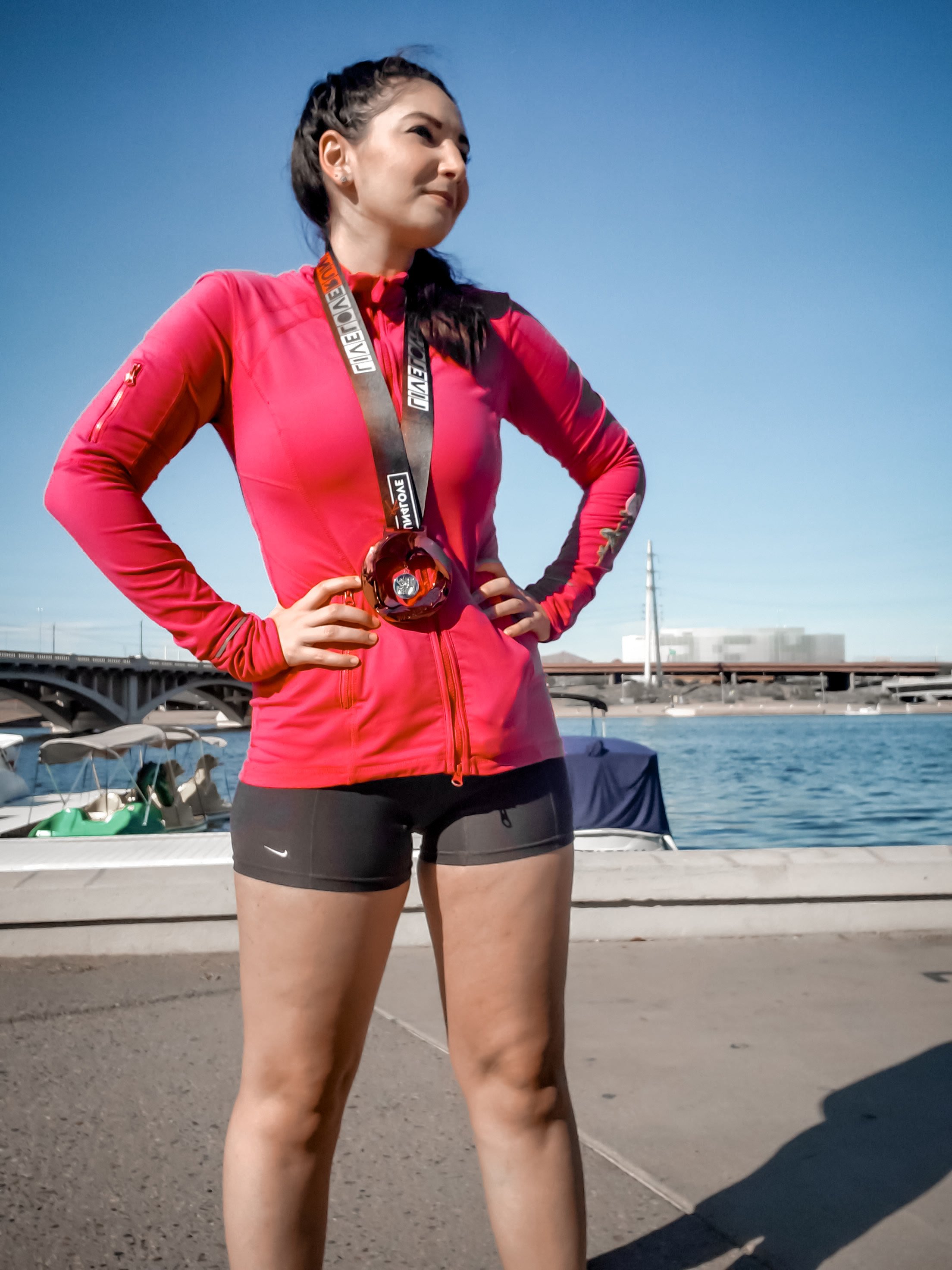
I was 15 the first time I passed out. One moment I was overwhelmed by school and rushing to my next class; the next, my best friend was shaking me awake on the floor. In small-town USA, without health coverage, no further testing was done. I was told it must have been a panic attack.
After getting COVID, I started feeling faint almost every day. But as a fit, healthy-looking 25-year-old with a “history of anxiety,” I was dismissed repeatedly in ERs and specialist visits.
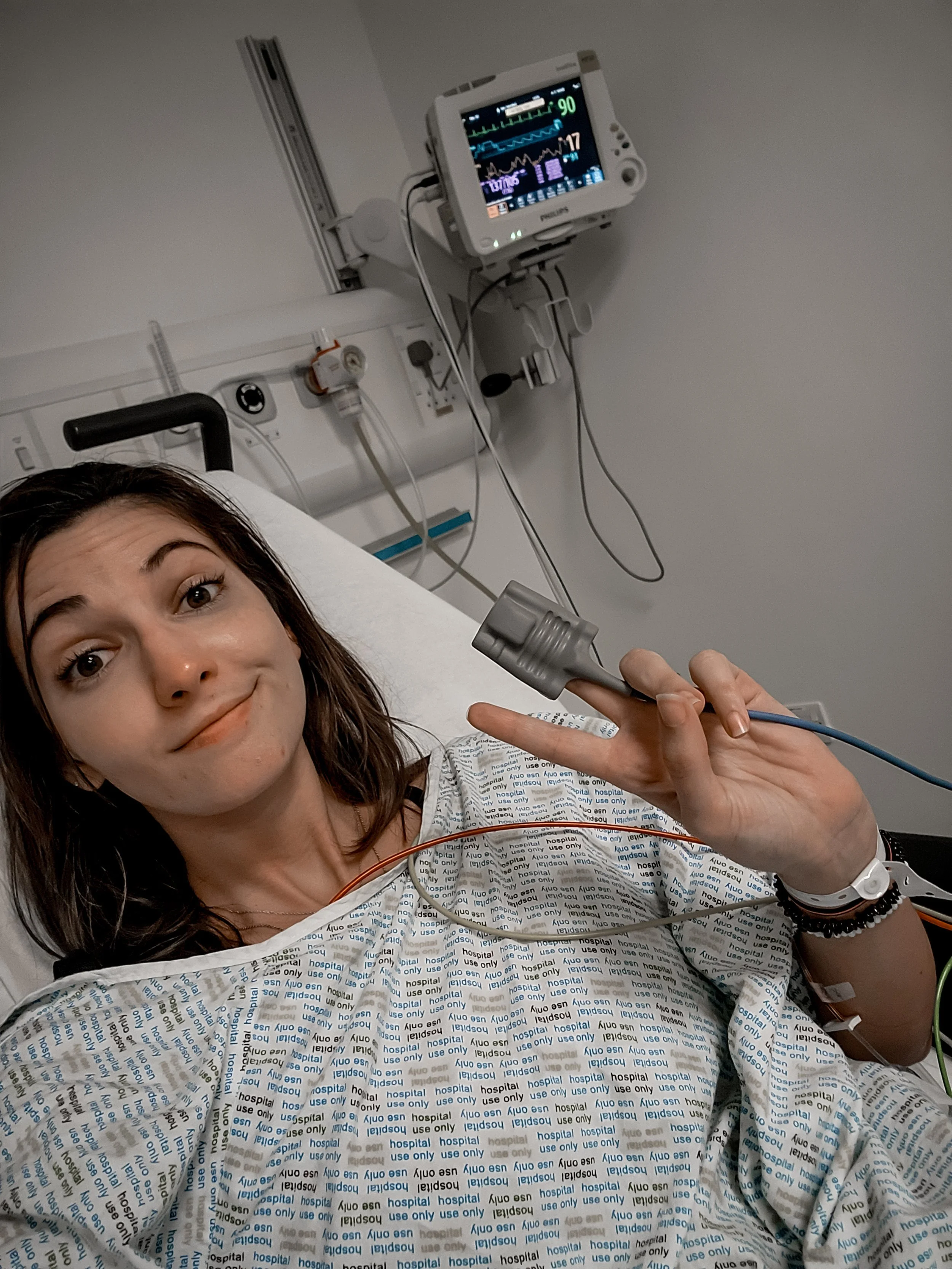
Then, in October 2023, now living in the UK with my husband, I collapsed at work. This time, with no fear of massive medical bills, I finally saw a cardiologist who noticed something unusual on my ECG. At the time, I was taking three QT-prolonging medications.
The second cardiologist I saw may have saved my life. He told me: “Your ECG today was normal. I believe you have POTS, but I’m not entirely confident you don’t also have Long QT Syndrome. I’m going to refer you for further testing just to rule it out.”
Genetic testing at the Queen Elizabeth University Hospital ICC revealed a KCNQ1 heterozygous mutation—Type 1 Long QT Syndrome.
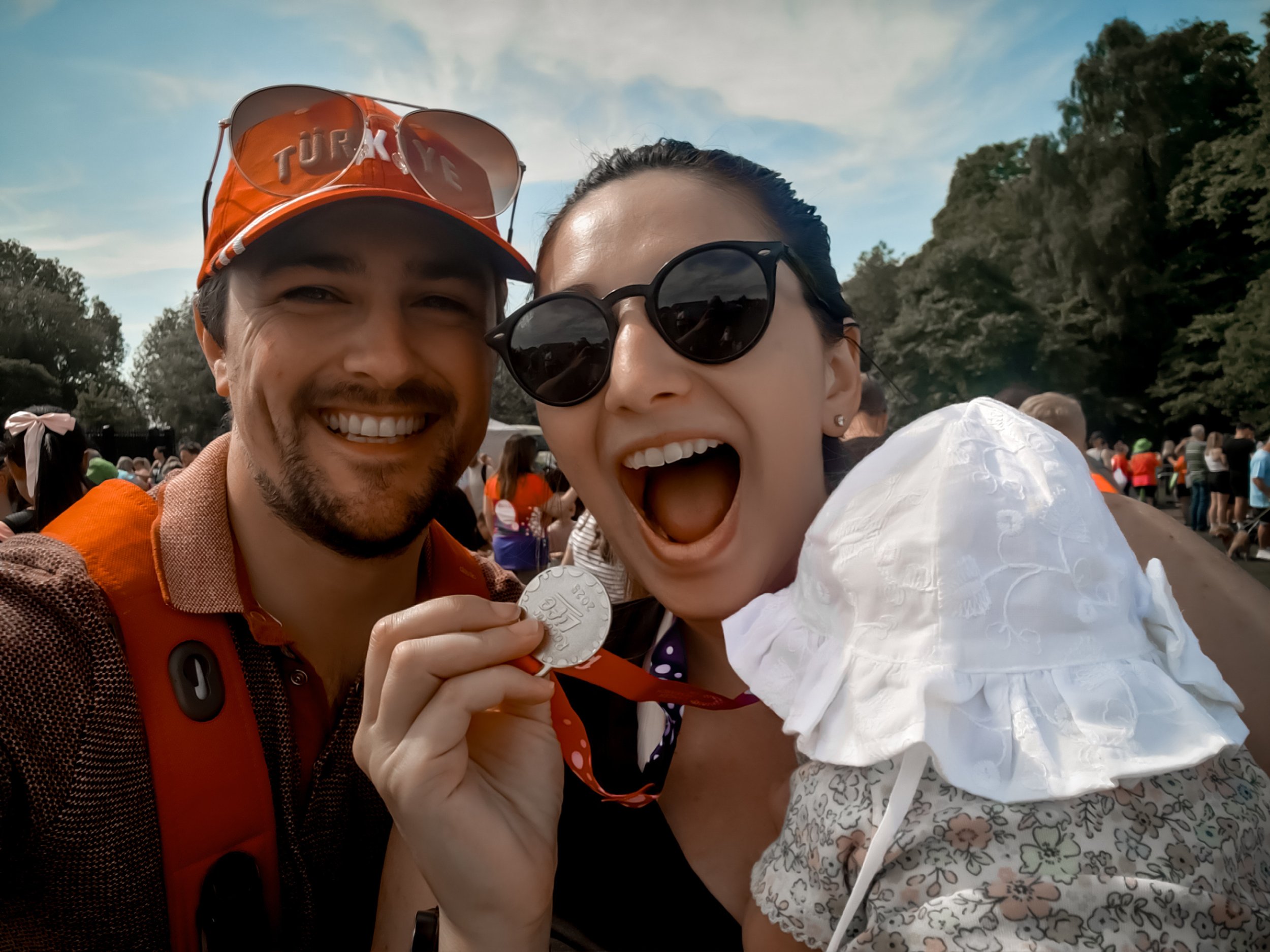
At 30, newly postpartum and dreaming of an ultramarathon, that diagnosis hit hard. I feared I’d have to stop training altogether, and I worried about how my family back in the U.S. could ever afford testing themselves.
Thanks to the NHS, just six days later I was back at the ICC with my 5-month-old for her testing and to discuss my treatment plan. I braced for bad news, but my doctor was optimistic: with medication and some adjustments, I could keep running.
As long as I stay consistent with my beta blockers, I can train—with a few sensible limits: not when I’m sick, overtired, or dehydrated. Until I complete my exercise tolerance test, I won’t be chasing personal bests, but that’s coming soon—and I’m hopeful.
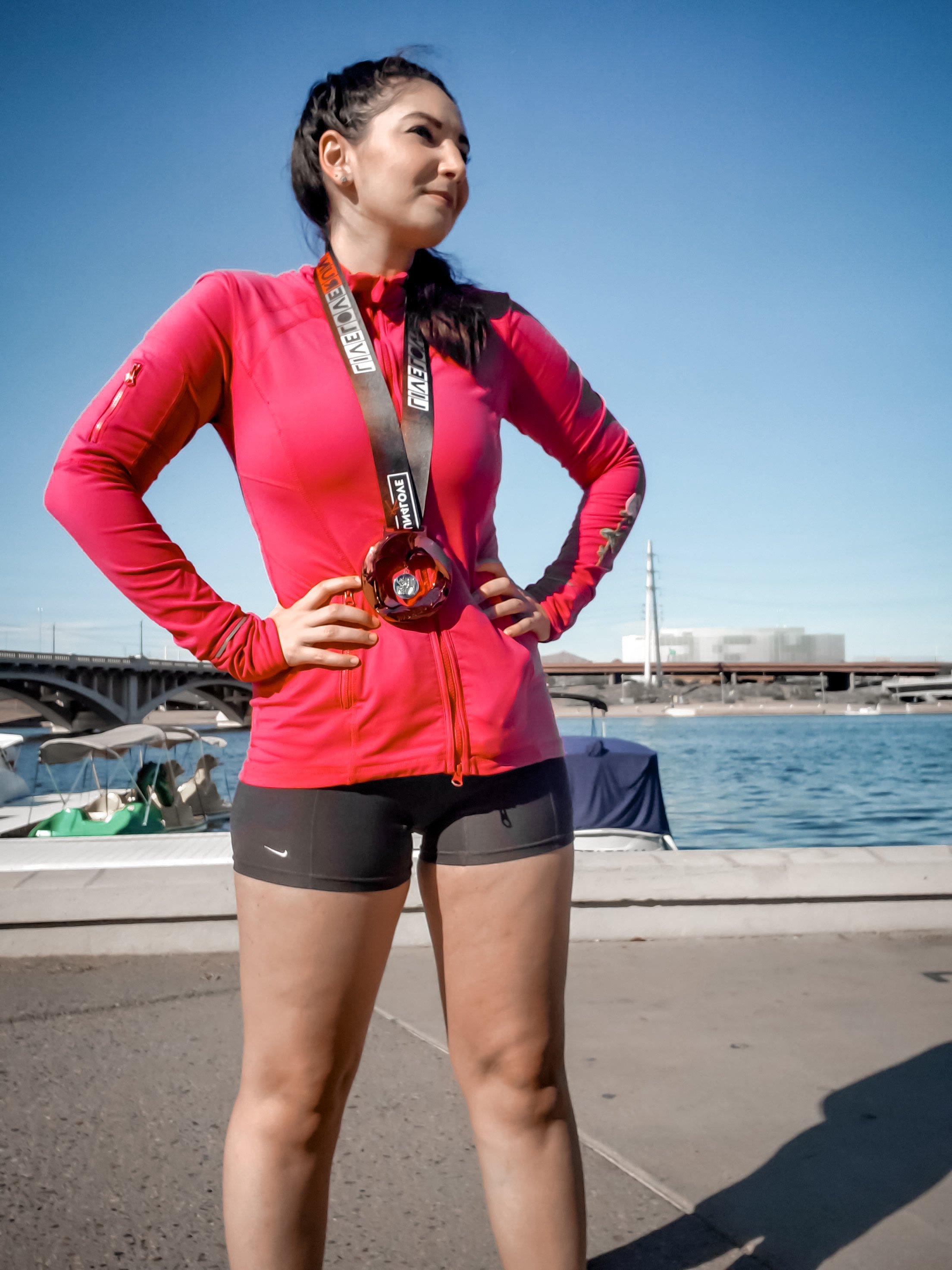
I was furious to learn that my QT interval had shown up prolonged on two separate ECGs in the U.S., and no one ever flagged it. Between then and my diagnosis, I even completed an unsupported desert marathon across South Mountain in Arizona. Only now can I fully recognize how incredibly dangerous that was for me. At that point, I was also on five different QT-prolonging medications.
Now I know my heart is protected as I chase my dreams. I’m deeply grateful to Dr. Myles for her clear explanations, her support, and her shared goal of keeping me moving. I can’t overstate the difference a supportive doctor can make.
For now, I’ve been cleared to run The Great Scottish 10k, and I remain hopeful that an ultramarathon is still in my future. Perhaps I'll even be able to do it in partnership with a charity to raise funds and awareness for those with heart conditions like mine.
To anyone newly diagnosed with LQT1: keep moving forward. It might take adjustments and careful planning—but don’t sell yourself short. There’s still so much hope for the long run.

To learn more about Long QT Syndrome, visit The SADS Foundation website at: www.sads.org.
Author: David Hutton.

2025 Year End Report
2025 was a year defined not by stillness, but by motion. In a challenging biotech environment, Thryv Therapeutics continued to move forward – advancing our science, strengthening our organization, and staying focused on what matters most: delivering meaningful innovation for patients.
Montreal, Quebec – December 23, 2025
2025 was a year defined not by stillness, but by motion. In a challenging biotech environment, Thryv Therapeutics continued to move forward – advancing our science, strengthening our organization, and staying focused on what matters most: delivering meaningful innovation for patients.
Over the past year, we strengthened our leadership team, deepened our engagement with the patient and advocacy communities, and continued to build the clinical, operational, and scientific foundation required to support Phase 2/3 development. Importantly, we also expanded how we listen to patients – recognizing that meaningful innovation depends on understanding not only clinical endpoints, but on lived experience.
Entering 2026, we are moving forward with clarity and focus, guided by the same commitment that carried us through the year.
We are deeply grateful to our employees, advisors, partners, investors, and the patients and families who inspire our work every day. Thank you for continuing this journey with us.
2025 Highlights
Operationalized our Phase 2/3 registration study for THRV-1268 for people with Long QT Syndrome enabling readiness to begin enrollment in the new year.
Completed our phase 1B study for THRV-1268 in obese participants that demonstrated predictable PK and reductions in QT interval confirming target engagement; supporting potential clinical benefit in heart failure and LQTS.
Launched myQTwave, a first-of-its-kind, fully remote, non-interventional study in Long QT Syndrome, enrolling up to 50 participants in our first wave of recruitment.
Strengthened leadership and organizational capabilities to support growth.
Continued collaboration with patient advocacy organizations, including the SADS Foundation.
Shared scientific progress at leading cardiovascular conferences.
Pipeline Progress: THRV-1268
THRV-1268 is a novel, highly selective inhibitor of serum- and glucocorticoid-regulated kinase 1 (SGK1) being developed for the treatment of inherited cardiac arrhythmias, including Long QT Syndrome (LQTS), with broader applicability across cardiometabolic and cardiomyopathic disorders. By targeting SGK1, a central regulator of cardiac ion channel activity, cellular stress responses, and maladaptive remodeling, THRV-1268 is designed to address the underlying electrophysiologic and structural drivers of disease, rather than symptom control alone.
In 2025, Thryv advanced the program by building on robust Phase 1 clinical experience, integrating safety, pharmacokinetic, and pharmacodynamic data to inform Phase 2/3 trial design, dose selection, and patient-focused efficacy endpoints. These efforts enabled refinement of exposure–response relationships and reinforced confidence in target engagement in people with metabolic stress - obesity. Our development strategy remains grounded in a strong mechanistic and translational framework, linking SGK1 inhibition to clinically meaningful improvements in repolarization biology and disease severity, while maintaining a favorable safety profile.
Preparing for Phase 2/3 Development
Throughout the year, Thryv focused on activities critical to later-stage development, including obtaining regulatory clarity, protocol refinement, and opening two INDs (for LQTS and HF). We value continued input from a widened group of clinical and scientific advisors. These efforts position the company for efficient and rigorous execution in upcoming studies.
Elevating the Patient Voice: myQTwave
In 2025, Thryv advanced myQTwave from concept into execution, beginning with a pilot study and expanding enrollment to include more individuals living with Long QT Syndrome Types 2 and 3.
Conducted in collaboration with Dr. Samuel F. Sears Jr. and his team at East Carolina University (ECU), myQTwave is a fully remote, observational study for adults with LQT2 and LQT3. Using digital health tools such as iPhone and Apple Watch, the study captures patient-centered insights beyond traditional clinical metrics – such as ECG findings and cardiac events – to better understand how LQTS shapes daily decisions, quality of life, and emotional well-being. Insights from myQTwave will help inform future research and development.
Advocacy & Community Engagement
Patient and clinician engagement remained central to Thryv’s work in 2025. We deepened our collaboration with the SADS Foundation through patient-focused and electrophysiology (EP)-focused educational webinars, supporting awareness and dialogue around inherited arrhythmias.
Leadership & Team Growth
In 2025, Thryv continued to strengthen its leadership and operational teams to support the next phase of clinical and corporate development.
This included the appointment of Matt Killeen, PhD, as Chief Business Officer, bringing deep experience across cardiovascular and genetic diseases, business development, and portfolio strategy. Matt plays a key role in shaping Thryv’s corporate strategy and advancing THRV-1268 toward later-stage development.
We also welcomed Dinesh Srinivasan (Vice President, Strategic Portfolio Management), Ashley Prasse Miller (Vice President, Clinical Operations), Alicia Schiavi (Associate Director, Clinical Operations), and Philippe Beauclair (Postdoctoral Researcher, Chemistry), further strengthening our capabilities across clinical development, operations, and portfolio execution.
Scientific & Industry Engagement
In 2025, Thryv shared scientific progress at leading cardiovascular conferences, highlighting the growing body of evidence supporting SGK1 inhibition across cardiac disease.
At the American Heart Association (AHA) Scientific Sessions and European Society of Cardiology (ESC) Congress, Thryv presented preclinical data demonstrating that THRV-1268, a potent and selective SGK1 inhibitor, improved adverse cardiac remodeling in a transaortic constriction (TAC) heart failure model. These findings showed superior or complementary effects compared with Jardiance (empagliflozin) – an SGLT2 inhibitor used as part of guideline-directed medical therapy – both as monotherapy and in combination, strengthening the scientific rationale for SGK1 inhibition as a strategy to address inflammation- and fibrosis-driven cardiac remodeling.
At Heart Rhythm Society (HRS) 2025, Thryv presented new clinical data from the Wave I, Part 2 study demonstrating the effects of QT shortening with SGK1 inhibition treatment in patients with Long QT Syndrome Types 2 and 3.
Looking Ahead
The launch of myQTwave comes as Thryv advances multiple IND programs. The company has recently opened multiple INDs and is preparing to launch Wave II, a Phase 2/3, registration-directed clinical study in patients with Long QT Syndrome, anticipated to begin in early 2026.
In parallel, Thryv continues to expand the translational and clinical foundation of its SGK1 platform. Recent Phase 1 results in obese individuals further strengthened confidence in the program and informed ongoing development plans. Thryv is also advancing the Aspire Study program, a clinical initiative designed to further evaluate the role of SGK1 inhibition across cardiometabolic disease, including heart failure.
Together, these efforts underscore the continued advancement of THRV-1268 across multiple indications, as illustrated in the pipeline below.
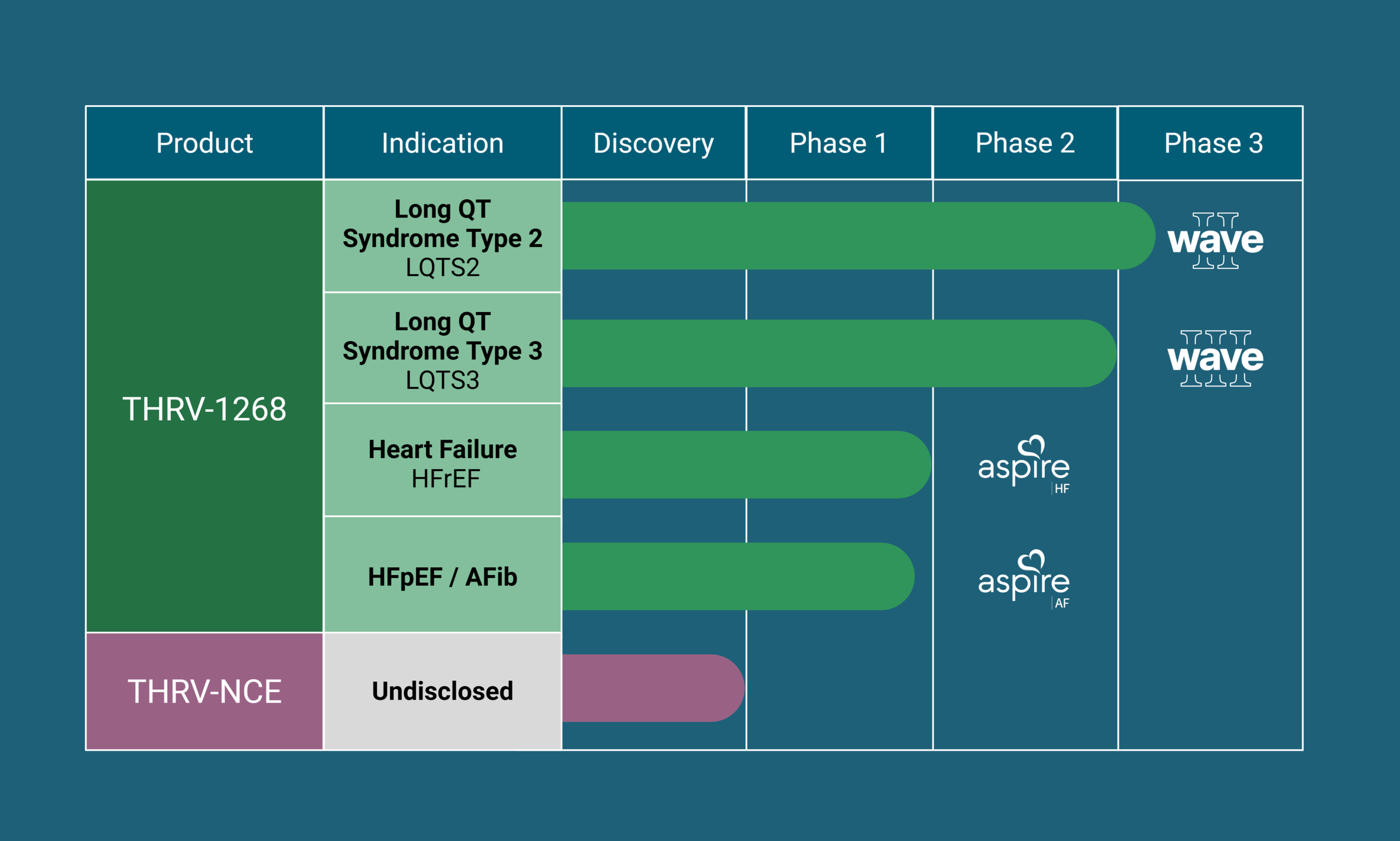
Overview of the company’s current development pipeline. Pipeline status is current as of December 2025.
Wishing all our supporters, patients, and families a healthy and happy new year!
Sincerely, Debra Odink
President & Chief Development Officer

Why Voices Like Kat’s Matter: A Journey with LQTS
Kathryn, better known as Kat, has a journey with Long QT Syndrome (LQTS) that is marked by persistence, discovery, and ultimately, hope.
Kathryn, better known as Kat, has a journey with Long QT Syndrome (LQTS) that is marked by persistence, discovery, and ultimately, hope.
Her story begins in the 1970s, as a teenager facing unexplained fainting spells. These episodes were often brushed off as stress or low blood sugar. Even a thorough neurological evaluation at the Mayo Clinic during her college years failed to uncover the true cause, since cardiac origins were never considered.

It would be decades before the true nature of Kat’s condition came to light.
Ironically, it was her youngest daughter’s parallel struggle that finally brought answers. When her daughter began experiencing dizzy spells and blackouts as a teenager, the family found themselves repeating the same frustrating path: inconclusive neurological tests and persistent uncertainty. The turning point came when an emergency room physician ordered a 12-lead electrocardiogram (ECG), which revealed a prolonged QT interval.
The diagnosis of LQTS Type 2 brought both clarity and complexity.
Genetic testing confirmed that both of her daughters had inherited the same KCNH2 mutation. While the news answered years of questions, it also brought new responsibilities. Kat educated herself about the disorder, a condition that affects the heart’s electrical system and is especially sensitive to sudden noises or surges of emotion.

Armed with this knowledge, Kat became an advocate for her daughters’ well-being and her own, learning to navigate the risks of everyday life. She took care to avoid medications known to prolong the QT interval, educated her family about potential triggers, and put emergency protocols in place. The stress of managing a genetic heart condition within her family placed significant strain on her marriage. Ultimately, Kat made the difficult decision to leave the relationship, understanding that prioritizing her own health and stability was essential for her continued resilience.

Not long after, Kat underwent surgery to receive an implantable cardioverter defibrillator (ICD), a device designed to detect and correct dangerous heart rhythms. The importance of this intervention became clear when, during a particularly stressful period following her divorce, Kat received thirteen appropriate shocks from her device, saving her life. These events reinforced for her the critical role of listening to one’s body, advocating for comprehensive medical care, and maintaining a vigilant, supportive environment.
Kat’s experience led her to discover a new sense of purpose.
Drawing from her journey, she reinvented her professional life, helping others navigate times of transition and emotional upheaval. Through specialized training in HeartMath, she blended practical strategies with emotional insight, supporting individuals facing crisis, loss, or major change. Her work became an extension of her own healing; a way to offer clarity and comfort to those finding their way through chaos.

Kat’s daughters have also followed in her footsteps, becoming passionate advocates and supporting others who live with SADS conditions. The sudden loss of Kat's father to cardiac arrest deepened the family’s commitment to early detection, informed decision-making, and the courage to act on what they had learned.
Kat’s story highlights how far we’ve come in understanding Long QT Syndrome—and how far we still have to go. When her symptoms first appeared, answers were scarce and support even scarcer. Over time, she became not just a patient, but a voice: learning, connecting, and helping others make sense of what she once had to face alone. Her experience is a reminder that progress in medicine doesn’t happen in isolation—it needs people like Kat to keep pushing it forward.
Paving the Way for the Future
It’s voices like Kathryn’s that continue to shape what comes next. That’s why Thryv Therapeutics is launching myQTWave—a non-interventional, observational study designed to better understand the lived experiences of people with Long QT Syndrome, particularly Types 2 and 3. The study will gather real-world insights from patients and families to inform future treatments and ensure that the patient voice stays at the heart of innovation. Participant recruitment is planned to begin in early Fall 2025. Visit www.myqtwave.com and follow @myqtwave on Instagram for more information.
To learn more about Long QT Syndrome, visit The SADS Foundation website at: www.sads.org.
Author: David Hutton.

The Heart of a Cheerleader: Liv’s Journey with LQTS2
At just eight years old, Olivia Rey is already learning to navigate life with strength—and a whole lot of sparkle. She has Long QT Syndrome Type 2 (LQTS2), a rare and potentially serious heart rhythm condition. But Liv isn’t about to let it slow her down.

At just eight years old, Olivia Rey is already learning to navigate life with strength—and a whole lot of sparkle.
She has Long QT Syndrome Type 2 (LQTS2), a rare and potentially serious heart rhythm condition. But Liv isn’t about to let it slow her down.
LQTS runs in Olivia’s family. Her mom, Brittany, discovered she carried the KCNH2 gene mutation as a teenager after experiencing a cardiac scare during dental surgery. Years later, when Olivia’s baby brother faced multiple health issues in his first 18 months, his medical team ran genetic tests and uncovered the same mutation. That discovery prompted testing for Olivia and her younger brother.
Olivia was just seven when she was found to be symptomatic—unlike her brothers—during a routine pre-operative clearance for another dental procedure. From that moment, her care team put a plan in place to keep her both safe and thriving.

Today, Olivia takes a beta blocker twice a day and uses a daily maintenance inhaler to manage her asthma—especially important because many asthma medications, particularly rescue inhalers, can worsen QT prolongation. Her family also prioritizes hydration, especially when Olivia is outdoors or practicing cheerleading, and works hard to avoid illness. A tough bout of the flu before her diagnosis had left her severely dehydrated and underweight, so they now take every precaution to stay ahead of any potential illness.

Still, none of that has dimmed her fire.
Olivia is a proud all-star cheerleader, practicing and performing with passion. Her coaches understand her needs: she takes breaks when needed, stays hydrated with an electrolyte drink, and wears a medical ID at all times. Her family works closely with her gym to ensure her safety—Brittany even helped secure an on-site AED (automated external defibrillator) and ensures that coaches, staff, and volunteers are CPR certified.
Brittany herself played sports in high school and college and also served in the U.S. Army, but says she takes precautions for Liv that she never even considered for herself. “There’s just so much more information available now than there was 17 years ago,” she says. That access to up-to-date medical insight and a growing awareness of LQTS helps guide their care decisions today.

As for Olivia, she has no plans to stop doing what she loves.
Cheer is her passion, and she’s committed to it for as long as her cardiology team gives her the green light.
“My coaches let me rest when I need to, even if the others don’t get breaks,” Olivia shares. “Most people wouldn’t even know I have something going on—and that’s kind of cool, but kind of scary.”
Her family is even exploring the idea of a service dog to offer an extra layer of support, especially during travel for competitions.

With a bright smile, Olivia shares her message:
“You can have this disease, but it doesn’t have to have you. Do what you love. Be a kid. Be adventurous. And speak up for yourself.”
LQTS may be part of Olivia’s story—but it doesn’t define her. With education, support, and a bit of sparkle, she’s showing the world that living with Long QT Syndrome doesn’t mean giving up on your dreams.
Paving the Way for the Future
Thryv Therapeutics is launching myQTWave—a non-interventional, observational study designed to better understand the lived experiences of people with Long QT Syndrome, particularly Types 2 and 3. The study will gather real-world insights from patients and families to inform future treatments and ensure that the patient voice stays at the heart of innovation. Participant recruitment is planned to begin in early Fall 2025. More information will be shared soon.
To learn more about Long QT Syndrome, visit The SADS Foundation website at: www.sads.org.
Author: David Hutton.

Eleanor’s Story: The Tiny Heart That Changed Everything
In 2020, at just 24 weeks pregnant, Lena faced the devastating fear that her baby, Eleanor, was in heart failure and might not survive.

In 2020, at just 24 weeks pregnant, Lena faced the devastating fear that her baby, Eleanor, was in heart failure and might not survive.
Lena and her husband Sixtus were in complete shock and devastation. Determined to seek the best care, they drove seven hours to Wisconsin to consult with an electrophysiologist specializing in fetal cardiology. It was there that they discovered Eleanor was actually experiencing Torsades de Pointes. Instead of the originally prescribed steroids, Lena was placed on beta blockers to stabilize Eleanor's heart rhythm. The specialist also enrolled Eleanor in a research study focused on detecting arrhythmias in fetal patients.
"That was the first time we were told about the potential of Long QT Syndrome.", recalls Lena.
They drove home that night and went straight to the hospital so that Lena could be admitted and transitioned off of the steroids and onto beta blockers. She was placed on the highest possible dose for a human so that the medication could reach Eleanor and keep her heart rhythm stable. Because of this high dose, the pharmacy was hesitant to give her the medication, requiring intervention from their cardiologist to approve it (a problem many LQTS patient encounter!).

Eleanor was born at 36 weeks, weighing only 4 lbs 7 oz. Genetic testing confirmed the suspicions—she carried mutations for both LQTS Type 1 and Type 2.
Through this discovery, Lena was also diagnosed with LQTS Type 1 at 31 years old, having lived unaware of her condition. "She inherited LQTS Type 1 from me, while LQTS Type 2 was a de novo gene mutation. I like to tell people that she truly saved my life."
In her four years, Eleanor has undergone numerous interventions to control her heart rhythm, including a pacemaker (later replaced with an epicardial AICD), left cardiac sympathetic denervation, and treatment with beta blockers and Mexiletine. In the past two years, she was also diagnosed with both epilepsy and cerebral palsy. Navigating appropriate medications that are safe for her has been incredibly difficult, and identifying seizure triggers is a constant source of stress.

Reflecting on how Long QT Syndrome has impacted their family, Lena admits that she often forgets about her own diagnosis.
"I just have to be sure to follow my advised standard of care," she says. Her main focus remains on navigating the challenges of allowing Eleanor to simply be a child. Eleanor attends a specialized daycare with nurses in every room, and even her babysitters are nurses.
Despite the support, Lena acknowledges how difficult it is for others to grasp the complexity of Eleanor’s condition. "People don’t always understand how fragile her health can be. A simple cold or stomach bug can trigger serious rhythm issues. Life can change in the blink of an eye."

A typical day for Eleanor begins at 7:30 a.m. with breakfast and medications before heading to her specialized daycare, where a nurse is present in her classroom to help care for her. At 3:00 p.m., she takes her second dose of medications and continues her day playing with friends and eating snacks. At night, Eleanor takes her seizure medications before bedtime at 7:30 p.m. However, her parents must wake her up at 10:30 p.m. for another round of medications. These frequent wakeups and the need to monitor her oxygen, heart rate, and movement for epilepsy disrupt not only Eleanor’s sleep but also that of her parents and her brother. The exhaustion from balancing medication schedules and constant monitoring takes a toll on the entire family.

The constant worry and anxiety often feel isolating. "We don’t leave her often because we fear what could happen."
But through it all, Eleanor is a joyful and vibrant four-year-old. She loves Frozen and all things Elsa, Anna, and Olaf. She delights in dance class with her friends and spreads joy to those around her.

Lena and her family remain optimistic about the future.
"There is hope on the horizon. This community is strong, and we won’t stop until we find the best and right treatment for LQTS. Our family has such a desire to advocate for patients with LQTS and raise awareness about this condition. We would love to do more, but right now, we are doing what we can. By sharing our story, we hope to make a ripple in the awareness of this condition and bring to light how this affects people's daily lives."
To learn more about Long QT Syndrome, visit The SADS Foundation website at: www.sads.org.
Author: David Hutton.

Jana’s Story: How CPR and an AED Saved Her Life
On January 2, 2019, at just 33 years old, Jana suffered a sudden cardiac arrest (SCA).

On January 2, 2019, at just 33 years old, Jana suffered a sudden cardiac arrest (SCA).
She had traveled with her husband, Ricardo, and children to Brazil to celebrate New Year’s Eve with family. At around 2 a.m., Jana suddenly woke up gasping for air. Her 4-year-old daughter, who was asleep next to her, began to cry and scream for help. Jana’s husband checked her pulse and started performing CPR while instructing her father to retrieve an AED.

Fortunately, Ricardo’s training as a technician for St. Jude Medical, a medical device company, proved lifesaving. ‘I didn’t do it perfectly, but any CPR is better than no CPR’, he recalls.
One shock from the AED restarted Jana’s heart, but it remained out of rhythm. She was rushed to the hospital, where doctors diagnosed her with Long QT Syndrome, a genetic heart condition. Jana spent two weeks in the ICU, experiencing memory loss in the first few days, before being discharged with an implantable cardioverter defibrillator (ICD) and a confirmed diagnosis of Long QT Syndrome Type 3.

In 2024, Jana was crowned Mrs. Florida American and now uses her platform to advocate for CPR training in schools across Florida. She also hosts the podcast Heart of Hope, where she interviews SCA survivors and shares stories of resilience. As an ambassador for the Sudden Cardiac Arrest Foundation, she is dedicated to educating others about life with an ICD and the challenges of living with arrhythmia.

Reflecting on her time in the ICU, Jana recalls, “I didn’t know what was happening to me. I was smiling so much because I thought I was getting ready for a party. I didn’t understand I was in a hospital—I even thought I had curlers in my hair.”
From survivor to advocate, Jana’s journey is a testament to the power of awareness, preparedness, and the lifesaving impact of CPR.
To learn more about Long QT Syndrome, visit The SADS Foundation website at: www.sads.org.
Author: David Hutton.

2024 Year End Report
As the year comes to a close, Thryv Therapeutics reflects on a transformative 2024 – a year defined by significant strides in advancing innovative therapies for people with unmet medical needs.
Montreal, Quebec – December 23, 2024
As the year comes to a close, Thryv Therapeutics reflects on a transformative 2024 – a year defined by significant strides in advancing innovative therapies for people with unmet medical needs. From groundbreaking clinical milestones to impactful scientific contributions and collaborative partnerships, we are proud of the progress our team has made in addressing complex cardiovascular diseases such as Long QT Syndrome, heart failure, and atrial fibrillation. Our commitment to scientific excellence and improving patients’ lives has not only driven innovation but also set the stage for even greater accomplishments in the year ahead.
New Chief Medical Officer
Thryv Therapeutics proudly welcomed esteemed executive, Amy Sehnert, MD, as our new Chief Medical Officer in November 2024, marking a pivotal step in advancing our cardiometabolic product portfolio targeting SGK1. Dr. Sehnert, a pediatric cardiologist with expertise spanning genomics, cardiology, oncology, and maternal-fetal health, brings over 20 years of leadership experience in precision diagnostics and therapeutics. At MyoKardia, she played a key role in developing the FDA-approved Camzyos®, contributing to its $14 billion acquisition by Bristol Myers Squibb, where she subsequently led global cardiovascular programs.
Long QT Syndrome Program
2024 was a landmark year for our Long QT Syndrome (LQTS) program, with important advancements in both preclinical and clinical research. In September, the FDA granted Orphan Drug Designation (ODD) to LQT-1213 for the treatment of congenital LQTS, an important regulatory step for our LQTS program. We received positive topline results from our Wave I Part 2 clinical study, which demonstrated statistically significant reductions in QTc intervals in patients with congenital LQTS Types 2 and 3, paving the way for the pursuit of pivotal studies for LQT-1213 in LQTS Types 2 and 3 in 2025. We extend our gratitude to the SADS Foundation, the University of Rochester, Mayo Clinic, Stanford University and Massachusetts General Hospital and their investigators for their pivotal role in recruitment and to the patients for their participation. Full data from the Wave I Part 2 clinical study will be presented at a scientific conference in 2025.
2024 was also an impressive year for scientific presentations in the field of LQTS at major cardiology conferences. In March, we presented clinical results from our Wave I Part 1 study demonstrating LQT-1213 promotes significant reductions in QTc prolongation in a dofetilide-induced human model of LQTS, at the 2024 American College of Cardiology (ACC) Annual Meeting, and in May, we presented preclinical data demonstrating the attenuation of drug-induced QT-prolongation with our SGK1 inhibitors at the 2024 Heart Rhythm Society (HRS) Conference. In November, the results of preclinical research carried out by members of the European Joint Programme on Rare Diseases, demonstrating that our SGK1 inhibitor shortens action potential in LQT3 and LQT2 via inhibition of the late sodium current were presented at the 2024 the American Heart Association (AHA) Annual Scientific Sessions and won the prestigious 2024 AHA Paul Dudley White International Scholar Award.
We were also honored to participate in the 2024 International SADS Foundation Family Conference in November, where, over two inspiring days, we connected with and learned from people with LQTS, their families, advocates and researchers dedicated to improving the lives of those impacted by genetic arrhythmias like LQTS.
As we head into 2025, we look forward to initiating enrolment of our Wave I Part 3 clinical study in LQTS Type 1, advancing our pivotal clinical studies in LQTS Types 2 and 3, and launching our myQTwave non-interventional study to gather much needed quality of life data from people with LQTS Types 2 and 3, all with the aim of deepening our understanding of and developing transformative therapies for this life-threatening condition.
Heart Failure and Atrial Fibrillation Programs
In 2024, we completed dosing in our Phase 1 study of THRV-1268, our second SGK1 inhibitor, in both the SAD and MAD cohorts. The findings from this study will pave the way for future clinical investigations, targeting the abnormal electrophysiologic, structural and metabolic pathways involved in the pathogenesis of heart failure and atrial fibrillation in patients with underlying cardiometabolic conditions. Proof-of-concept clinical studies in these areas of high unmet need are planned for 2025.
We are proud to have had three posters of results from our pre-clinical studies presented at the 2024 AHA Annual Scientific Sessions: the first, demonstrating that our SGK1 inhibitor reduced hypertension in a salt-sensitive hypertension model of heart failure with preserved ejection fraction (HFpEF), the second, presented by Massachusetts General Hospital (MGH) and sponsored by Thryv, demonstrating that SGK1 inhibition attenuated left ventricular wall thickening and diastolic dysfunction in a model of HFpEF, and the third, demonstrating that SGK1 inhibition induces anti-fibrotic and anti-inflammatory responses, which may have therapeutic implications for cardiac fibrosis. These results highlight the dual potential of THRV-1268 to address cardiac structural and metabolic abnormalities, reinforcing Thryv’s position at the forefront of cardiometabolic innovation.
Looking Ahead
2024 has been a transformative year for Thryv Therapeutics, marked by milestones in LQTS, heart failure and atrial fibrillation research. These achievements reflect the dedication of our team, the support of our partners, and the trust of patients and families.
As we move into 2025, we remain steadfast in our mission to deliver transformative therapies, bringing hope to those affected by rare and life-threatening conditions.
Wishing all our supporters, patients, and families a healthy and happy new year!
Sincerely, Debra Odink
President & Chief Development Officer

Jenylyn’s Story of Survival and Advocacy
On July 10, 2005, Jenylyn experienced a life-changing moment. While in the bathroom, she collapsed unexpectedly.

On July 10, 2005, Jenylyn experienced a life-changing moment. While in the bathroom, she collapsed unexpectedly.
As a new mom, she dismissed the incident as exhaustion from adjusting to life with a newborn. Determined to rest, she spent the night at her mother’s house, hoping to recuperate and give her baby some bonding time with Grandma.
The next day, Jenylyn suffered a sudden cardiac arrest. Her mother, quick to react, performed CPR and saved her life.

In the hospital, doctors conducted a series of tests. Neurological examinations and cardiology evaluations revealed a history of Long QT Syndrome (LQTS), heart block, and fainting episodes from her past. A review of her childhood EKG records, combined with an investigation into her family’s cardiac history, confirmed the diagnosis.

Upon learning about her condition, Jenylyn’s first thought was of her baby. Could her daughter inherit LQTS? This fear, coupled with the trauma of her cardiac arrest, left her grappling with anxiety and post-traumatic stress. To safeguard her heart, doctors recommended that she be fitted with an Implantable Cardioverter Defibrillator (ICD).
Today, her daughter is 19 years old and faces her own challenges with borderline LQTS results. “She’s afraid she might need an ICD one day,” Jenylyn shares, reflecting on how LQTS impacts not just her but her entire family.

Her parents constantly worry she might overexert herself. Her husband remains emotionally strong, but the financial burden of medical care and maintaining an emergency fund weighs heavily on him.
Through it all, Jenylyn’s resilience shines. “I’d tell recently diagnosed people with LQTS to write down all your questions and not be afraid to ask your doctor,” she advises. “Advocate for yourself and for the hearts of the ones you love.”

She also champions genetic testing and encourages others to stay proactive about their health. “If your results show a Variant of Unknown Significance like mine, keep up with routine visits and always address your symptoms or concerns.”
Jenylyn’s journey with LQTS is a testament to strength, hope, and patient advocacy. By sharing her story, she aims to inspire others to face the challenges of LQTS with courage while prioritizing their health and loved ones.
To learn more about Long QT Syndrome, visit The SADS Foundation website at: www.sads.org.
Author: David Hutton.

Forever in Our Hearts: Landen’s Brave Battle with LQTS
Landen was a walking, talking, basketball-playing, laughing, loving miracle. Nothing could keep him from living life on his terms.

Landen was a walking, talking, basketball-playing, laughing, loving miracle. Nothing could keep him from living life on his terms.
On July 7th, 2006, Chaka and Jason received a life-changing call—a little boy who had undergone surgery at just four days old needed a loving family. Without a moment's hesitation, they welcomed Landen into their lives. The nurses assured Chaka that his heart condition had been "fixed," but Landen had an aggressive form of Long QT Syndrome type 3, which was being managed with a pediatric pacemaker and propranolol.
At just seven months old, Landen suffered a cardiac arrest while sleeping. Miraculously, Chaka had a dream that Landen was in distress, prompting her to check on him. She found him unresponsive, but Jason’s performing CPR and the paramedics’ intervention saved Landen’s life. “Landen was meant to be a part of our family,” Chaka says. Following this, Landen received an ICD implant and was prescribed Mexiletine.

At age four, Landen underwent a left-sided sympathetic denervation, but it didn’t stabilize his rhythm. With Long QT type 3, his QT interval prolonged more during rest. “I didn’t sleep through the night for nearly a decade because Landen often woke up screaming from the shocks,” Chaka recalls.

In his final year, Landen’s condition worsened despite high doses of propranolol and Mexiletine. Early-onset puberty made his heart erratic and unmanageable. His ICD delivered so many life-saving shocks that he was on his sixth device by the time he passed away. Doctors made the difficult decision to place a central line and administer a portable lidocaine drip, which briefly stabilized his heart but tragically led to lidocaine toxicity, causing a series of seizures. On the last night of his life, the rescue medication intended to stop his seizure tragically stopped his heart instead.

“I would tell other parents dealing with Long QT Syndrome to let their children live. No child deserves to live under the shadow of a parent’s fear.”
Chaka reflects on the journey: “We leaned heavily on our faith, and we saw God perform many miracles through Landen’s life. Nine days before he died, Landen prayed a prayer that still amazes me.”

“I’m a different person because I get to be Landen’s mama—a privilege I will claim all the way to heaven. He taught me to keep getting back up, no matter how many times I get knocked down. And he taught me to shoot as many hoops as you can whenever you get the chance. I’ll miss him until I see him again.”

To learn more about Long QT Syndrome, visit The SADS Foundation website at: www.sads.org.
Author: David Hutton.

Ask Thryv Live: Episode 1
Thryv Therapeutics will be hosting our very first “Ask Thryv Live” on Tuesday, May 7th from 12:00 p.m. to 1:00 p.m. ET.
Thryv Therapeutics will be hosting our very first “Ask Thryv Live” on Tuesday, May 7th from 11:30 a.m. to 12:30 p.m. ET.
To participate in the first “Ask Thryv Live” please register using the following link:
When: May 7, 2024, 11:30 AM Eastern Time (US and Canada)
Topic: Ask Thryv Live: Episode 1
https://us06web.zoom.us/webinar/register/WN_QqeCnTuhSYu_63G7W81I1w
After registering, you will receive a confirmation email containing information about joining the webinar.
First Half: Updates & Insights
Wave I Studies Update: Get insights into the progress of our Wave Studies.
Advancements in Atrial Fibrillation Research: Plan for our clinical program.
Series B Financing Status: An update on our second round of financing which will help us to move forward with our many exciting projects.
Exploring New Frontiers: Discover our innovative research into SGK1 inhibition across various indications.
Second Half: Interactive Q&A
Pre-submit Questions: Email your questions in advance to admin@thryvtrx.com.
Ask Live: Participate actively during the webinar by submitting anonymous questions in real-time.
Note: this webinar will be recorded for internal purposes but will NOT be available to watch afterwards.

Shake it for Shea - Shea’s LQTS Story
Baby Shea came into the world, early, in dramatic style. She needed resuscitation immediately after birth, and on her second day of life, Shea’s heart went into a type of arrhythmia called Torsades de Pointes. Doctors estimated that Shea’s QT interval was over 700 (normal is <440ms).

Baby Shea came into the world, early, in dramatic style. She needed resuscitation immediately after birth, and on her second day of life, Shea’s heart went into a type of arrhythmia called Torsades de Pointes. Doctors estimated that Shea’s QT interval was over 700 (normal is <440ms).
Genetic testing would later confirm that Shea had a de novo mutation in the KCNH2 gene indicating that she had Long QT Syndrome Type 2.

“As a second time mom, with my two-year-old son at home, I was absolutely devastated and terrified. Shea was on all sorts of equipment in the NICU to help her breathe and grow, and that was so scary, but the added LQTS Type 2 diagnosis felt gut wrenching”, said Shea’s mom Kira.
Shea’s parents, Kira and Mark are navigating their new ‘normal’, trying to focus on all the amazing things Shea is doing. However, following several negative experiences with medical teams early on in Shea's journey, Kira has become very passionate about families advocating for the best medical care to make sure they always feel supported and heard.

“Once we started seeing Dr. Ackerman as our main EP, we felt we were in the best hands and finally had a doctor who fully understood our journey and struggles, and he continues to be such a huge part of our journey.”
In 2023 Kira and Mark started their own 501c3 called the ‘Hearts in Harmony Foundation,’ and are now planning their second annual event called “Shake it for Shea”. Last year, the event raised an incredible $290,000 for Long QT Syndrome research at the Mayo Clinic's Sudden Death Genomics Lab, led by Dr Ackerman.

Kira and Mark’s passion now lie in finding better treatment options for Long QT Syndrome, as the current medications make Shea quite sick.
“While we still feel sad, scared, and flat out angry at times, we primarily focus on channelling that energy to turn as many possible lemons into lemonade. Shea has given us such a new perspective on life, and we don’t take a single moment for granted.”

To learn more about Long QT Syndrome, visit The SADS Foundation website at: www.sads.org.
Author: David Hutton.

Heather’s LQTS Story
In February 2018, Heather, the Curriculum Director of her local school district, was joking and chatting with colleagues in the conference room. All of a sudden, she felt the room begin to spin, felt nauseous, and attempted to leave for the restroom. She managed only two steps towards the door before her heart stopped, and she dropped lifeless to the floor.

In February 2018, Heather, the Curriculum
Director of her local school district, was chatting with colleagues in the conference
room. All of a sudden, she felt the room
begin to spin, and attempted to leave for the restroom. She managed only two steps towards the door before her heart stopped, and she dropped lifeless to the floor.
Fortunately, Heather’s co-workers had received Cardiopulmonary Resuscitation and Automatic External Defibrillator (CPR/AED) training the month prior, and were able to perform CPR for more than 12 minutes. Employing an AED, they delivered three shocks before Emergency Medical Services transported her to the nearest hospital where she was put into an induced coma.

“My life and my brain function were saved because my coworkers had started CPR within the first 3-5 minutes of my collapse.”
When it happens outside of a hospital setting, sudden cardiac arrest kills about 90% of its victims.
Following her cardiac arrest, Heather was diagnosed with Long QT Syndrome. However, after a year, her QT interval normalized and the diagnosis was dropped. It was determined that a prescription medication, that she had been taking for chronic migraines, depleted her potassium to critically low levels causing a prolonged QT interval that compromised her heart function. While Heather is not considered to have congenital Long QT Syndrome (cLQTS), she is treated as a patient with drug induced Long QT Syndrome (di-LQTS) due to the potential impact of both prescription and over-the-counter medications on her QT interval.
“Through sharing my story, I hope that others will not only become CPR/AED trained, but that they will come to be aware of the risks associated with many over the counter and prescription medications. Many people are not aware of how many commonly used drugs can impact the heart.”

Heather’s proclivity to an elongated QT interval deemed her recent pregnancy high risk. Her baby therefore had the opportunity to take part in a fetal study to determine whether he had Long QT syndrome. He was born in December 2022 and despite having a congenital heart defect, was determined not to have LQTS.
“My passion is teaching others about the risks of sudden cardiac arrest and the importance of CPR/AED training. I volunteer my time as a CPR/AED instructor and have trained over 3,000 people. After my sudden cardiac arrest, I have truly learned to appreciate that every single day is a gift, as we never know what could change in the blink of an eye.”

Drug Induced Long QT Syndrome affects approximately 6 million patients in the United States. Thryv Therapeutics are developing a potent Serum and Glucocorticoid Kinase 1 (SGK1) inhibitor, LQT-1213. Their aim is to allow patients to continue to access the medications they need to treat life-threatening conditions, without fear of acquired, or drug-induced Long QT Syndrome.
To learn more about Long QT Syndrome, visit The SADS Foundation’s organization’s website at: www.sads.org.
Author: David Hutton.

Azariah’s LQTS Story
Baby Azariah, whose name means ‘God is my help’, was born prematurely and spent 33 days in NICU (Neonatal intensive care unit). He was initially rushed to NICU due to an abnormal heart rate. Fortunately, the hospital had the state’s best paediatric electrophysiologist and diagnosed Azariah with a severely prolonged QT interval. He immediately started beta blockers, one current therapy for Long QT syndrome. Angela attributes this vital early intervention at only two days old to saving Azariah’s life.
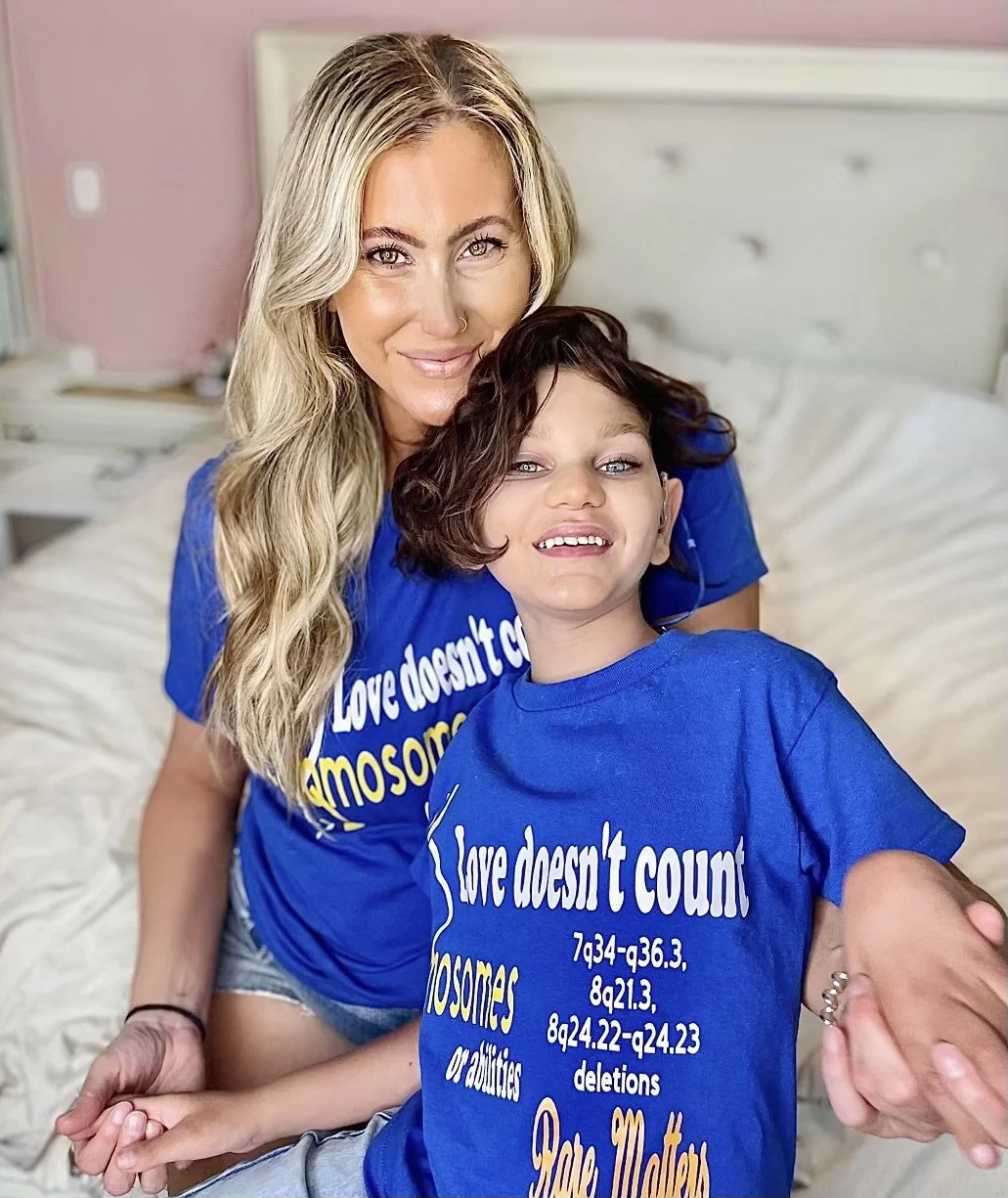
In the early stages of Angela’s pregnancy, doctors were concerned about the well-being of her baby and even suggested the possibility that he may not survive childbirth.
Baby Azariah, whose name means ‘God is my help’, was born prematurely and spent 33 days in NICU (Neonatal Intensive Care Unit). He was initially rushed to NICU due to an abnormal heart rate. Fortunately, the hospital had the state’s best paediatric electrophysiologist and diagnosed Azariah with a severely prolonged QT interval. He immediately started beta blockers, one therapy for Long QT Syndrome. Angela attributes this vital early intervention at only two days old to saving Azariah’s life.
Azariah would continue to need significant medical interventions for several other health conditions that he was born with due to extremely rare chromosome abnormalities. He is missing large portions of his 7th and 8th chromosomes, an abnormality so rare that there are only five others in the world known to have the same 7th chromosome deletion.
Long QT Syndrome was a completely new condition to Angela and her husband. Most people with congenital Long QT Syndrome have a family history, but that is not the case for Azariah. He is what is known as: de novo (new) mutation.
“We were told there was a long list of medications that could be dangerous for him, even very common ones. We also had to take special precautions, as even things like sudden loud noises could trigger dangerous arrhythmias in him.”

Angela admits that for the first year of Azariah’s life she stayed awake almost 24/7, as she wanted to be able to intervene if he went into sudden cardiac arrest.
Angela hopes that one day there will be alternative treatments or a cure as opposed to relying on beta blockers. Currently, Azariah undergoes month-long heart monitoring to track changes in his health and seizure activity.
Angela describes Azariah as the most loving, joyous boy who has a drive for life.
“We have learned to not fear Azariah’s long QT; to not allow it to consume us or steal our joy. We respect it, live with it, and implement precautions that allow Azariah to experience life to the fullest.”
Angela wanted to share their story to emphasise that the path to a happy life doesn’t involve merely pursuing pleasure and avoiding all pain.

“Azariah is the one that taught me that happiness is not found in the avoidance of pain and trials, rather it is found acknowledging that pain, holding on to hope and seeking our values, goals and faith. The more I try to avoid and suppress the trauma that often comes with LQTS and caring for a child with disabilities the less peace I have.”
To learn more about Long QT Syndrome, visit The SADS Foundation’s organization’s website at: www.sads.org.
Author: David Hutton.

Inside Thryv - A Conversation with Doug Wight, Vice President, Drug Development
Introducing Doug Wight, Thryv's Vice President, Drug Development. Join us as Doug shares his impactful journey in the field of life sciences that lead him to his pivotal role in drug development at Thryv!
Introducing Doug Wight, Thryv's Vice President, Drug Development. Join us as Doug shares his impactful journey in the field of life sciences that lead him to his pivotal role in drug development at Thryv!
Transcript - Doug Wight - Vice President, Drug Development
"My name is Doug Wight, I am Vice President, Drug Development here at Thryv. I started my academic career here is Montreal and did my graduate work at McGill. After that, I worked in academia for about 8 or 9 years. In the early 90’s I decided to move over to industry. I started with a big pharma company that was known as Sandoz at the time that has subsequently merged to become Novartis then I worked at Searle which was bought by Pharmascience and then by Pfizer. Then I moved over into a CRO which is a contract research organization and I was there for about 10 years and then made the move to a small biotech company here in Montreal called Milestone and worked there for about 12 years, and then came over to Thryv!”
What does a typical day look like for you? "My role at Thryv I’m responsible for the development of drugs, basically drug candidates are identified using basic science techniques and then once a drug candidates is identified, development starts, and it moves through preclinical development where the mechanism of action and primarily the safety of the drug are evaluated in test tube in vitro models and also in vivo in animal models. Once the drug has been determined to be safe to administer to humans, then we move into a clinical program: the phase 1, 2, and 3 programs, and that’s basically my job to manage the progress of the drug through all those development cycles until eventually you file with the regulatory agency for permission to market the drug once you have all of the safety and efficacy data.'“
What motivates you to be relentless in our mission to treat rare diseases? “Basically the reason that most of us work in the pharmaceutical industry is to try to find medicines that treat human diseases. That’s what motivates me and gets me up everyday. Particularly with rare diseases are often overlooked in the pharmaceutical industry, because you typically don’t have large profits when you are selling drugs to treat rare diseases, but often these diseases can be very debilitating to the people who are suffering from them, so that’s what motivates me: trying to find effective treatments for people that are often overlooked by the medical community.”
What are you passionate about outside of work? “A bit of a cliche but I have three adult children and four grandchildren and they all live close by so that’s really my main focus outside of work. I also have a large rural property where I do gardening and have orchards and that sort of thing, so those are really my main passions.”
Dougs message for the Thryv community: "Thryv community: we are relentlessly trying to find therapeutics for various rare diseases, primarily in cardiology. Unfortunately the process for developing a drug is quite lengthy and very expensive, so my message would be that we understand the issues you are dealing with from the various rare diseases you are suffering from, and we are working very hard and as fast as we can to try to get effective therapies on the market for you.

Lizzy’s lifelong journey with Long QT Syndrome
Lizzy's journey with Long QT Syndrome began at birth when a nurse noticed her low heartbeat, leading to comprehensive monitoring and the identification of her arrhythmia. She was immediately transported to the Children's Hospital of Philadelphia, where she was diagnosed with Long QT Syndrome Type 3.

Lizzy's journey with Long QT Syndrome began at birth when a nurse noticed her low heartbeat, leading to comprehensive monitoring and the identification of her arrhythmia. She was immediately transported to the Children's Hospital of Philadelphia, where she was diagnosed with Long QT Syndrome Type 3.
Growing up, Lizzy saw herself as a "normal" kid, despite the restrictions imposed by her condition. Everywhere she went, an automated external defibrillator (AED) accompanied her, but she didn’t realize its meaning until later in her childhood. Lizzy's understanding of her condition deepened in second grade when she saw her picture on a substitute teacher's clipboard, labeled as a “health risk.”
Lizzy didn’t want to be seen as different, often underselling her condition to avoid being seen as a ticking time bomb. When kids at school would bring in sweets for their birthdays, Lizzy would often say she was allergic to chocolate rather than going into the details of her condition and the potential impact of caffeine on her heart.
Lizzy's ability to embrace life was greatly influenced by her mother. Recognizing the importance of providing Lizzy with a sense of normalcy, her mother enrolled her in theater and Girl Scouts, allowing her to participate in activities that wouldn't interfere with her condition. Lizzy's brother, Ben, also played a significant role in her life. Despite feeling guilt about his own good health, Ben stood by Lizzy's side, offering support through every challenge.

At the age of 11, Lizzy faced a pivotal moment when her pacemaker stopped working without alerting her doctors. Emergency surgery was required to replace the device and ensure her safety. Determined not to miss her school musical, Lizzy convinced her doctors to delay the surgery until after the performance, under the condition of being constantly monitored. Thankfully, she underwent the surgery without any complications and was even granted a wish through the Make-A-Wish foundation.
For Lizzy’s wish, she decided to meet her idol, Bethany Hamilton. Bethany, a professional surfer who had overcome adversity after losing her arm in a shark attack, inspired Lizzy to face her own challenges head-on. Lizzy got to spend a day surfing with Bethany in Hawaii, and during their time together, learned the importance of embracing one's unique journey and finding strength in the face of adversity. Lizzy left the experience filled with gratitude for her life, despite the hardships she faced.
Managing her condition requires a daily regimen of medications, which often leaves Lizzy fatigued and nauseous. Despite these challenges, Lizzy remains resilient, pushing forward and striving to make a positive impact on the lives of others. Helping others has become her greatest pleasure, and she actively works with the Make-A-Wish Foundation, volunteering her time, giving speeches, and sharing her story to bring hope to children facing their own battles. She has already raised $5,000 through MAW Founded, a club she founded at her high school.

Beyond her efforts with Make-A-Wish, Lizzy finds pleasure in spending time with friends, and taking care of her three rescue dogs. She also has a deep love for music and theater. Lizzy wants to thank her entire family who have extended unwavering support throughout her journey with Long QT Syndrome. Her mom, brother, grandparents, stepdad, and friends have all showed compassion and understanding, and have stood by her side during her hospital stays and recovery periods.
To others who are newly diagnosed with Long QT Syndrome, Lizzy's message is one of hope and resilience. She urges them to embrace their unique journey and recognize their challenges do not define them. Lizzy encourages others to approach life with gratitude, knowing that every day is a gift.
“I hope to help people realize they are not alone in their fights. Though it can be tough, I feel lucky to have received my diagnosis. With the diagnosis of Long QT, I hope you can achieve some sort of peace, knowing that you are not going through this alone. Some days can be challenging, but I thank my lucky stars for being able to experience both the bad and the good days. I hope that my story can make others feel seen and understand that they can still live a great life, despite their diagnosis.”
To learn more about Long QT Syndrome, visit The SADS Foundation’s organization’s website at: www.sads.org.
Inside Thryv - A Conversation with Marc Vidal, Senior Director, Product & Process Development
Join us as we introduce Marc Vidal, our Senior Director of Product & Process Development at Thryv. Discover Marc’s journey in the sciences, how it lead him to be the first employee to join the Thryv team, and learn how he consistently works to #berelentless in pursuit of innovation!
Join us as we introduce Marc Vidal, our Senior Director of Product & Process Development at Thryv. Discover Marc's journey in the sciences, how it lead him to be the first employee to join the Thryv team, and learn how he consistently works to be relentless in pursuit of innovation!
Transcript - Marc Vidal - Senior Director, Product & Process Development
"My name is Marc Vidal and I am director of product and process development at Thryv Therapeutics. My works consists of overseeing all the development of our drug. After the research phase is complete and we elect our lead compound for the treatment of our disease, we need to develop this drug. This means we need to work on the manufacture of the compound, the formulation, and all the preclinical work before having the drug tested on humans.”
What does a typical day look like for you? "There is no typical day in this kind of role. I oversee different aspects of the development, of course as I said the manufacture. That's really the chemistry aspect of the work where we scale up the compound. The compound comes out of the lab and we know how to do a few grams, and we need to scale this compound up to hundreds of kilograms, so there are changes related to the scaling of this compound in terms of quality and repeatability of the compound, the purity of the compound, because in the end we do need to put it in humans. The other aspect of my day is all the preclinical development so all the toxicity studies in animals. So as I said there is no typical day. I work some days on a protocol for a preclinical study, some days on manufacture, and some days there is data coming in from the preclinical studies so we need to analyze the data and make decisions on the next steps. Within all of this, we have timeline and financial aspects of the program that I need to keep an eye on.”
What was your career trajectory that brought you to Thryv? “I have a PhD from Universite de Montreal in organic chemistry, I also have a post-doc from Universite de Montreal. After that I started working directly in Biotechs. I was first a bench chemist in the first biotech that I worked in. I worked about 3 years on the bench before I moved to the head of chemistry position where I started working on the scale up and manufacture of the compound. Finally, in November 2019, I joined Thryv Therapeutics as employee #1. At that time I was hired as Director of Research, so I was on the research side of Thryv until we detected our lead and I moved to the development position.”
What motivates you to be relentless in our mission to treat rare diseases? “That is linked to my passion for research and science. That's why I decided to do a PhD in the first place. That's the number 1 thing that always motivated me, was the challenge of solving a problem. There are 2 aspects in research that drive me. The first is discovering something new, but the second is solving a problem that doesn't have a solution yet.”
What are you passionate about outside of work? “There are a couple. Sport. I am a marathon runner. I have 9 marathons so far and I'm looking forward to my 10th marathon. Looking for a cool place to do it, because I've done the Montreal marathon too many times, so looking for a cool place to celebrate this 10th marathon. Apart from that I am pretty in to photography, and for the past 18 months I have been learning to play the piano.”
Marcs's message for the Thryv community: "To The Thryv community, and all rare disease patients, my message would be that their courage and resilience is inspiring to us to continue working on all of the diseases that we hope to cure soon. They are not alone in this journey, we have a dedicated team that is working relentlessly on cardiovascular diseases and rare cancers.”

Ashley, Peyton & Avery’s LQTS Story
The family hopes that by sharing their story, people will evaluate how prepared they are for a cardiac event. Whether it's through CPR training or having AEDs in schools, they want to change the narrative of "it won't happen to me".

In 2017, when Peyton was seven years old, his doctor recommended a new medication. Before prescribing it, he advised Peyton to see a cardiologist for clearance.
His mother, Ashley, took him to see Dr. Patricia Thomas at Ochsner in New Orleans, where Peyton underwent a series of heart tests, all of which came back normal. However, the following day, Dr. Thomas called Ashley and expressed her desire to re-examine Peyton's results because she had a gut feeling that something was not right.
Upon re-examining the results, Dr. Thomas discovered Peyton's QT interval was longer than normal and requested that he return for further testing. Unfortunately, genetic testing for Long QT Syndrome was not available in their area at that time.
Finally, during Peyton's check-up in August of 2021, Dr. Thomas informed the family that genetic testing was now available, and one month later, Peyton's results confirmed he had a genetic mutation and was diagnosed with Long QT Type 1. As a result, Dr. Thomas ordered genetic testing for both parents.
On October 15th, Ashley received a call from Dr. Thomas, stating her test results showed the same genetic mutation as her son, and she was diagnosed with Long QT Type 1 as well. This diagnosis meant that other family members, including Peyton's sister Avery, would need to be tested.
November 9th proved a day that brought the family's world to a standstill. Avery was scheduled for a preventive EKG due to the diagnoses of her mother and brother. During the EKG, Dr. Thomas’s reaction to the results made Ashley worry. Normally Dr. Thomas displayed an amazing bedside manner, always asking the family about sports, or travel plans, but on that day, she couldn’t mask her genuine concern.

Avery was diagnosed with Long QT Type 1, like Ashley and Peyton, but Dr. Thomas also identified another heart arrhythmia called Wolff-Parkinson-White Syndrome (WPW). In WPW, an extra signalling pathway between the heart’s upper and lower chambers causes a faster than normal heartbeat. This fast heartbeat (tachycardia) is especially dangerous for someone who also has an irregular heart rhythm like in Long QT Syndrome. This was the first time Dr. Thomas had ever seen both arrhythmias together, and her diagnosis led to a series of tests the family was not prepared for, including stress tests, an electrophysiology study, and an eight-hour ablation.
Ashley was originally crushed by the diagnosis of both her children. Not only did she feel guilt for passing on the genetic mutation to her kids, but she was also fearful of what their future held. However, it didn't take her long to enter what she calls "mama bear mode".
Ashley immediately took action and figured out what needed to be done. All three were prescribed beta blockers to manage their prolonged QT, and Ashley made it her mission to ensure everyone responsible for her children, including teachers, coaches, and family, was CPR trained. She also made sure Automated External Defibrillators (AEDs) were present and easily accessible at school and their sports facilities.
Ashley also set out to make life as normal as possible for her children, and she was successful. Avery and Peyton are both very active teenagers. Peyton started playing baseball when he was only three and has continued to love to play even after his diagnosis. He also loves the outdoors and spends time on the water fishing, tubing, and boating. Avery is a competitive gymnast who loves the beach, tubing down the river, and hanging out with friends.
Along their journey, Ashley has helped make light of some of the limitations associated with their diagnoses. The family must bring an AED with them everywhere, which they have nicknamed "Ed". Their running joke is to make sure that Ed is in the car with them before they leave the house.

Overall, the family has been able to navigate the past couple of years with grace. Their message for the Long QT Community is one of courage and strength:
"You can't change it, so don't worry about it." - Avery
"You don't have to worry about it, just trust your doctors." - Peyton
"It's okay to feel sad or scared, but that's only somewhere you visit. You don't want to put down roots and live there. Pull up your bootstraps, work with your doctors to figure out your next step and get to work." - Ashley
The family hopes that by sharing their story, people will evaluate how prepared they are for a cardiac event. Whether it's through CPR training or having AEDs in schools, they want to change the narrative of "it won't happen to me" or "not in my town”. The family also encourages other families to get tested. Ashley knows she is lucky to be prepared for a cardiac event and is advocating for those who are not: "If we can save the life of one person by sharing our story, we've done our job."
For more information on genetic testing, visit The SADS Organization’s website at: www.sads.org.
Inside Thryv - A Conversation with Shannon Hewgill, Research Associate
Curious about the behind-the-scenes of Thryv's oncology program development? Meet Shannon Hewgill, our Research Associate who's work in the lab is helping develop the oncology program from the ground up.
Curious about the behind-the-scenes of Thryv's oncology program development? Meet Shannon Hewgill, our Research Associate who's work in the lab is helping develop the oncology program from the ground up.
Transcript - Shannon Hewgill, Research Associate
"Hi I'm Shannon, and I'm a research associate at Thryv. The work that I do is on the preclinical side of things, so what we sometimes call the wet lab work. When I describe my job to a L.A. person I basically say I treat cancer cells and immune cells and treat them with drugs and see what they do. That's a highly simplified explanation, but my dad-to-day can vary a lot. Sometimes I have longer experiments in the lab, other days I have a bunch of smaller things and I'm running between lots of things, but I'm also responsible for everything before and after the experiment. I'm planning them based on literature, I'm ordering everything I need, and then after the experiment I'm doing all the data analysis and preparing figures. So there really is no average day , but the work that I'm doing lays the foundation for what we bring to the clinic. It tells us what drugs might be interesting to combine our drug with, which types of cancer are the most promising. It really just lays the groundwork for our clinical research."
What was your career trajectory that brought you to Thryv? "I'm pretty early on in my scientific career. I finished up my Masters a couple of years ago. I did a Master's in Immunology at McGill and then I graduated in the height of the pandemic and started working for a clinical research organization for a couple of years. That was my introduction to working in the industry, and working in cancer research, but I was looking for something different, and that's when I found Thryv."
What motivates you to be relentless in our mission to treat rare diseases? "I'm basically a huge science nerd, and I love the work in a lab and love conducting my own experiments. When I can apply that to a bigger picture, like what we're doing here at Thryv, that makes the work that I'm doing really meaningful."
What are you passionate about outside of work? "I tend to be someone with too many hobbies. A big one for me would be dance. I've been a dancer for most of my life. I actually trained in classical ballet for 15 years. When I went to McGill for undergrad, I joined a dance group there. I was with that group for my undergrad and masters, so for 6 years and covid interrupted my dance training a bit, but shortly before starting to work with Thryv, I got back into some classical ballet classes and I've been able to maintain that which has been really great. I've also been able to go back to my old dance group, they invited me back as a guest choreographer and it's been really wonderful to have that creative outlet outside of work."
Shannon's message for the Thryv community: "When I first started working here, I was really blown away by how such a small group of passionate and talented people could make such a big impact, and I think really represents who we are at Thryv. We're a really great group of people, it's a great environment to work in, and I'm really excited to see what we do in the future, and to be a part of it.”