
Thryv Therapeutics
SHARED STORIES & BLOG

Hope for the Long Run: Kayla’s LQT1 Journey
I was 15 the first time I passed out. One moment I was overwhelmed by school and rushing to my next class; the next, my best friend was shaking me awake on the floor. In small-town USA, without health coverage, no further testing was done. I was told it must have been a panic attack.
I was 15 the first time I passed out. One moment I was overwhelmed by school and rushing to my next class; the next, my best friend was shaking me awake on the floor. In small-town USA, without health coverage, no further testing was done. I was told it must have been a panic attack.
After getting COVID, I started feeling faint almost every day. But as a fit, healthy-looking 25-year-old with a “history of anxiety,” I was dismissed repeatedly in ERs and specialist visits.
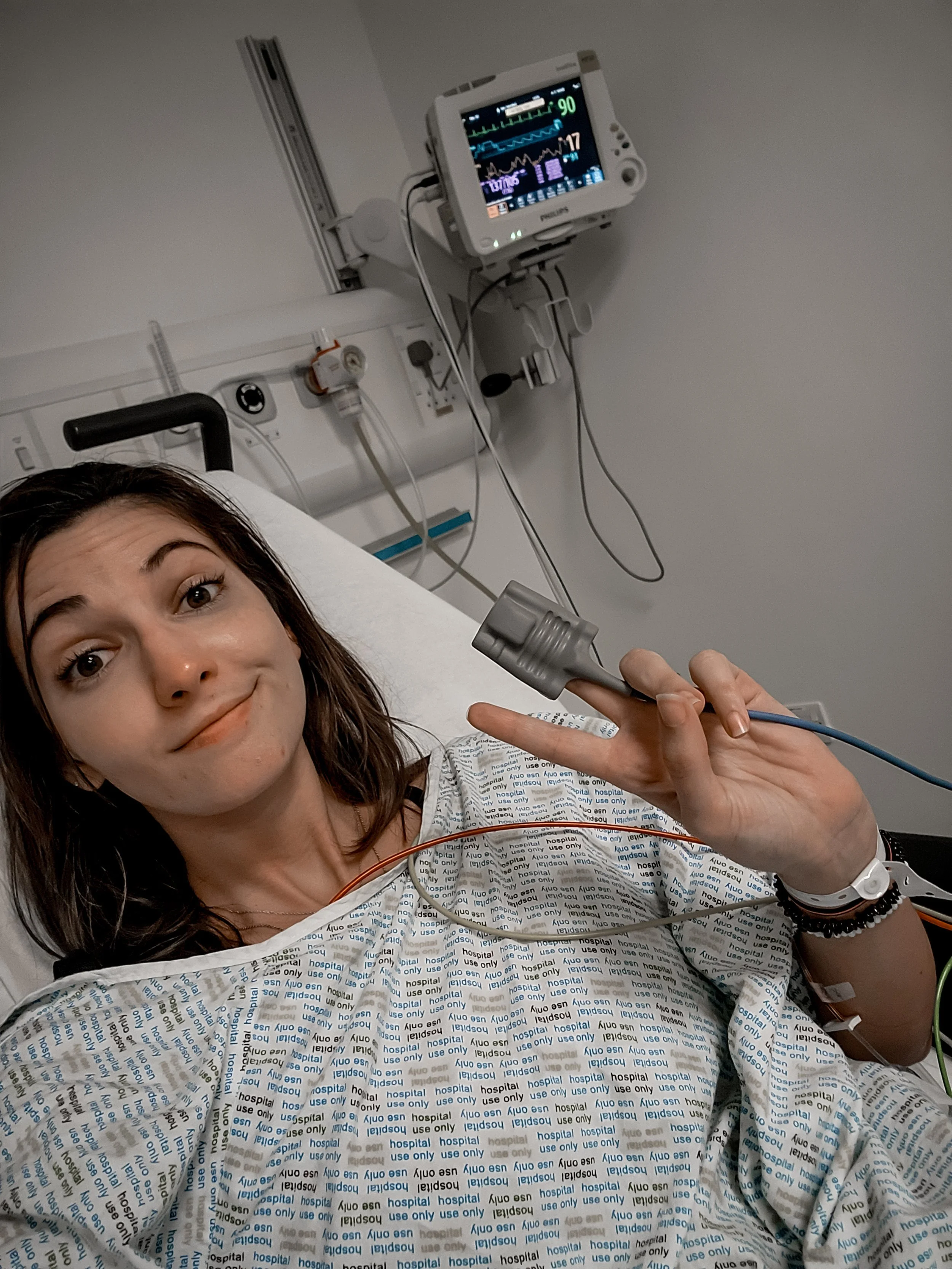
Then, in October 2023, now living in the UK with my husband, I collapsed at work. This time, with no fear of massive medical bills, I finally saw a cardiologist who noticed something unusual on my ECG. At the time, I was taking three QT-prolonging medications.
The second cardiologist I saw may have saved my life. He told me: “Your ECG today was normal. I believe you have POTS, but I’m not entirely confident you don’t also have Long QT Syndrome. I’m going to refer you for further testing just to rule it out.”
Genetic testing at the Queen Elizabeth University Hospital ICC revealed a KCNQ1 heterozygous mutation—Type 1 Long QT Syndrome.
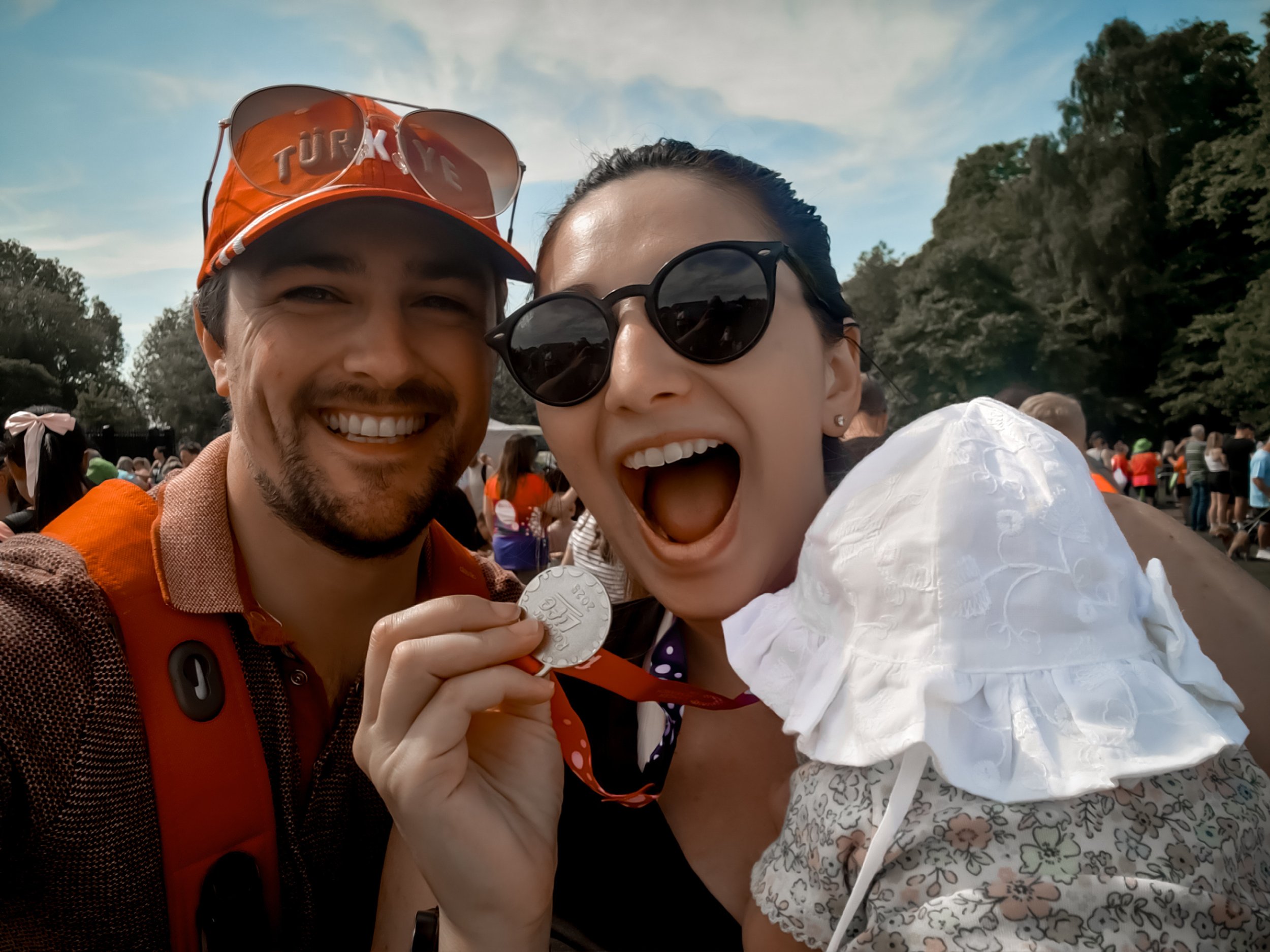
At 30, newly postpartum and dreaming of an ultramarathon, that diagnosis hit hard. I feared I’d have to stop training altogether, and I worried about how my family back in the U.S. could ever afford testing themselves.
Thanks to the NHS, just six days later I was back at the ICC with my 5-month-old for her testing and to discuss my treatment plan. I braced for bad news, but my doctor was optimistic: with medication and some adjustments, I could keep running.
As long as I stay consistent with my beta blockers, I can train—with a few sensible limits: not when I’m sick, overtired, or dehydrated. Until I complete my exercise tolerance test, I won’t be chasing personal bests, but that’s coming soon—and I’m hopeful.
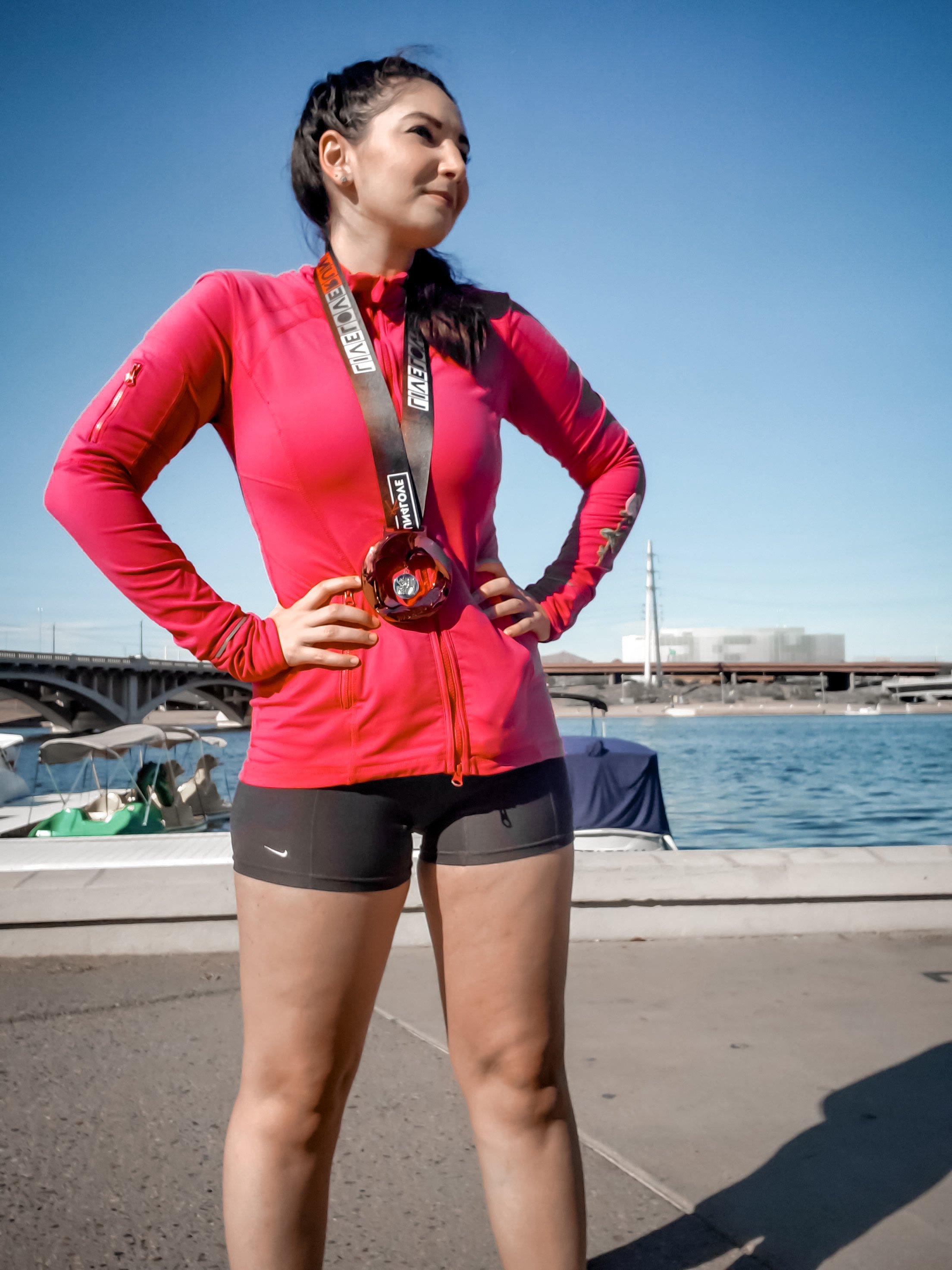
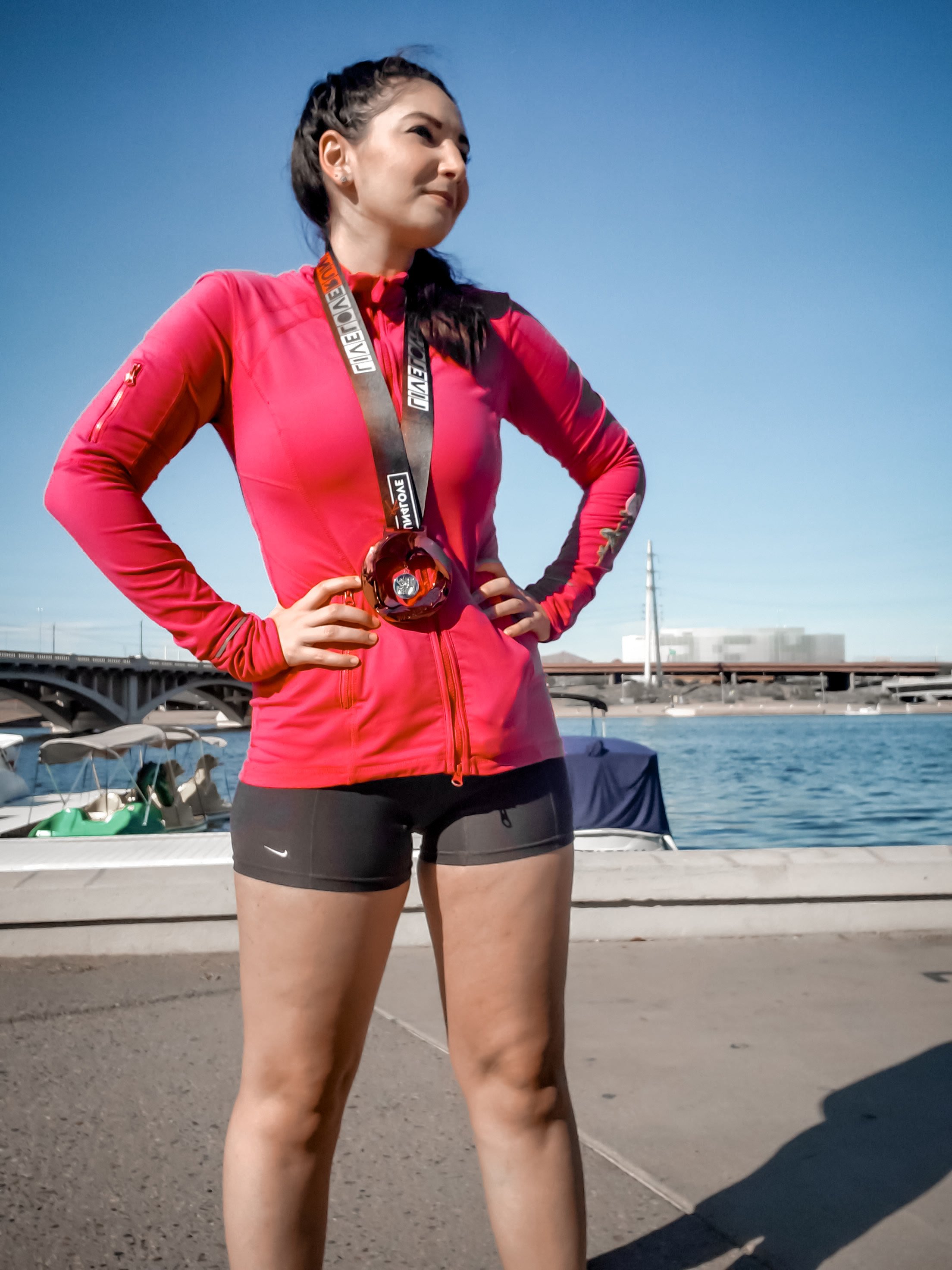
I was furious to learn that my QT interval had shown up prolonged on two separate ECGs in the U.S., and no one ever flagged it. Between then and my diagnosis, I even completed an unsupported desert marathon across South Mountain in Arizona. Only now can I fully recognize how incredibly dangerous that was for me. At that point, I was also on five different QT-prolonging medications.
Now I know my heart is protected as I chase my dreams. I’m deeply grateful to Dr. Myles for her clear explanations, her support, and her shared goal of keeping me moving. I can’t overstate the difference a supportive doctor can make.
For now, I’ve been cleared to run The Great Scottish 10k, and I remain hopeful that an ultramarathon is still in my future. Perhaps I'll even be able to do it in partnership with a charity to raise funds and awareness for those with heart conditions like mine.
To anyone newly diagnosed with LQT1: keep moving forward. It might take adjustments and careful planning—but don’t sell yourself short. There’s still so much hope for the long run.

To learn more about Long QT Syndrome, visit The SADS Foundation website at: www.sads.org.
Author: David Hutton.

Why Voices Like Kat’s Matter: A Journey with LQTS
Kathryn, better known as Kat, has a journey with Long QT Syndrome (LQTS) that is marked by persistence, discovery, and ultimately, hope.
Kathryn, better known as Kat, has a journey with Long QT Syndrome (LQTS) that is marked by persistence, discovery, and ultimately, hope.
Her story begins in the 1970s, as a teenager facing unexplained fainting spells. These episodes were often brushed off as stress or low blood sugar. Even a thorough neurological evaluation at the Mayo Clinic during her college years failed to uncover the true cause, since cardiac origins were never considered.

It would be decades before the true nature of Kat’s condition came to light.
Ironically, it was her youngest daughter’s parallel struggle that finally brought answers. When her daughter began experiencing dizzy spells and blackouts as a teenager, the family found themselves repeating the same frustrating path: inconclusive neurological tests and persistent uncertainty. The turning point came when an emergency room physician ordered a 12-lead electrocardiogram (ECG), which revealed a prolonged QT interval.
The diagnosis of LQTS Type 2 brought both clarity and complexity.
Genetic testing confirmed that both of her daughters had inherited the same KCNH2 mutation. While the news answered years of questions, it also brought new responsibilities. Kat educated herself about the disorder, a condition that affects the heart’s electrical system and is especially sensitive to sudden noises or surges of emotion.

Armed with this knowledge, Kat became an advocate for her daughters’ well-being and her own, learning to navigate the risks of everyday life. She took care to avoid medications known to prolong the QT interval, educated her family about potential triggers, and put emergency protocols in place. The stress of managing a genetic heart condition within her family placed significant strain on her marriage. Ultimately, Kat made the difficult decision to leave the relationship, understanding that prioritizing her own health and stability was essential for her continued resilience.

Not long after, Kat underwent surgery to receive an implantable cardioverter defibrillator (ICD), a device designed to detect and correct dangerous heart rhythms. The importance of this intervention became clear when, during a particularly stressful period following her divorce, Kat received thirteen appropriate shocks from her device, saving her life. These events reinforced for her the critical role of listening to one’s body, advocating for comprehensive medical care, and maintaining a vigilant, supportive environment.
Kat’s experience led her to discover a new sense of purpose.
Drawing from her journey, she reinvented her professional life, helping others navigate times of transition and emotional upheaval. Through specialized training in HeartMath, she blended practical strategies with emotional insight, supporting individuals facing crisis, loss, or major change. Her work became an extension of her own healing; a way to offer clarity and comfort to those finding their way through chaos.

Kat’s daughters have also followed in her footsteps, becoming passionate advocates and supporting others who live with SADS conditions. The sudden loss of Kat's father to cardiac arrest deepened the family’s commitment to early detection, informed decision-making, and the courage to act on what they had learned.
Kat’s story highlights how far we’ve come in understanding Long QT Syndrome—and how far we still have to go. When her symptoms first appeared, answers were scarce and support even scarcer. Over time, she became not just a patient, but a voice: learning, connecting, and helping others make sense of what she once had to face alone. Her experience is a reminder that progress in medicine doesn’t happen in isolation—it needs people like Kat to keep pushing it forward.
Paving the Way for the Future
It’s voices like Kathryn’s that continue to shape what comes next. That’s why Thryv Therapeutics is launching myQTWave—a non-interventional, observational study designed to better understand the lived experiences of people with Long QT Syndrome, particularly Types 2 and 3. The study will gather real-world insights from patients and families to inform future treatments and ensure that the patient voice stays at the heart of innovation. Participant recruitment is planned to begin in early Fall 2025. Visit www.myqtwave.com and follow @myqtwave on Instagram for more information.
To learn more about Long QT Syndrome, visit The SADS Foundation website at: www.sads.org.
Author: David Hutton.

The Heart of a Cheerleader: Liv’s Journey with LQTS2
At just eight years old, Olivia Rey is already learning to navigate life with strength—and a whole lot of sparkle. She has Long QT Syndrome Type 2 (LQTS2), a rare and potentially serious heart rhythm condition. But Liv isn’t about to let it slow her down.

At just eight years old, Olivia Rey is already learning to navigate life with strength—and a whole lot of sparkle.
She has Long QT Syndrome Type 2 (LQTS2), a rare and potentially serious heart rhythm condition. But Liv isn’t about to let it slow her down.
LQTS runs in Olivia’s family. Her mom, Brittany, discovered she carried the KCNH2 gene mutation as a teenager after experiencing a cardiac scare during dental surgery. Years later, when Olivia’s baby brother faced multiple health issues in his first 18 months, his medical team ran genetic tests and uncovered the same mutation. That discovery prompted testing for Olivia and her younger brother.
Olivia was just seven when she was found to be symptomatic—unlike her brothers—during a routine pre-operative clearance for another dental procedure. From that moment, her care team put a plan in place to keep her both safe and thriving.

Today, Olivia takes a beta blocker twice a day and uses a daily maintenance inhaler to manage her asthma—especially important because many asthma medications, particularly rescue inhalers, can worsen QT prolongation. Her family also prioritizes hydration, especially when Olivia is outdoors or practicing cheerleading, and works hard to avoid illness. A tough bout of the flu before her diagnosis had left her severely dehydrated and underweight, so they now take every precaution to stay ahead of any potential illness.

Still, none of that has dimmed her fire.
Olivia is a proud all-star cheerleader, practicing and performing with passion. Her coaches understand her needs: she takes breaks when needed, stays hydrated with an electrolyte drink, and wears a medical ID at all times. Her family works closely with her gym to ensure her safety—Brittany even helped secure an on-site AED (automated external defibrillator) and ensures that coaches, staff, and volunteers are CPR certified.
Brittany herself played sports in high school and college and also served in the U.S. Army, but says she takes precautions for Liv that she never even considered for herself. “There’s just so much more information available now than there was 17 years ago,” she says. That access to up-to-date medical insight and a growing awareness of LQTS helps guide their care decisions today.

As for Olivia, she has no plans to stop doing what she loves.
Cheer is her passion, and she’s committed to it for as long as her cardiology team gives her the green light.
“My coaches let me rest when I need to, even if the others don’t get breaks,” Olivia shares. “Most people wouldn’t even know I have something going on—and that’s kind of cool, but kind of scary.”
Her family is even exploring the idea of a service dog to offer an extra layer of support, especially during travel for competitions.

With a bright smile, Olivia shares her message:
“You can have this disease, but it doesn’t have to have you. Do what you love. Be a kid. Be adventurous. And speak up for yourself.”
LQTS may be part of Olivia’s story—but it doesn’t define her. With education, support, and a bit of sparkle, she’s showing the world that living with Long QT Syndrome doesn’t mean giving up on your dreams.
Paving the Way for the Future
Thryv Therapeutics is launching myQTWave—a non-interventional, observational study designed to better understand the lived experiences of people with Long QT Syndrome, particularly Types 2 and 3. The study will gather real-world insights from patients and families to inform future treatments and ensure that the patient voice stays at the heart of innovation. Participant recruitment is planned to begin in early Fall 2025. More information will be shared soon.
To learn more about Long QT Syndrome, visit The SADS Foundation website at: www.sads.org.
Author: David Hutton.

Eleanor’s Story: The Tiny Heart That Changed Everything
In 2020, at just 24 weeks pregnant, Lena faced the devastating fear that her baby, Eleanor, was in heart failure and might not survive.

In 2020, at just 24 weeks pregnant, Lena faced the devastating fear that her baby, Eleanor, was in heart failure and might not survive.
Lena and her husband Sixtus were in complete shock and devastation. Determined to seek the best care, they drove seven hours to Wisconsin to consult with an electrophysiologist specializing in fetal cardiology. It was there that they discovered Eleanor was actually experiencing Torsades de Pointes. Instead of the originally prescribed steroids, Lena was placed on beta blockers to stabilize Eleanor's heart rhythm. The specialist also enrolled Eleanor in a research study focused on detecting arrhythmias in fetal patients.
"That was the first time we were told about the potential of Long QT Syndrome.", recalls Lena.
They drove home that night and went straight to the hospital so that Lena could be admitted and transitioned off of the steroids and onto beta blockers. She was placed on the highest possible dose for a human so that the medication could reach Eleanor and keep her heart rhythm stable. Because of this high dose, the pharmacy was hesitant to give her the medication, requiring intervention from their cardiologist to approve it (a problem many LQTS patient encounter!).

Eleanor was born at 36 weeks, weighing only 4 lbs 7 oz. Genetic testing confirmed the suspicions—she carried mutations for both LQTS Type 1 and Type 2.
Through this discovery, Lena was also diagnosed with LQTS Type 1 at 31 years old, having lived unaware of her condition. "She inherited LQTS Type 1 from me, while LQTS Type 2 was a de novo gene mutation. I like to tell people that she truly saved my life."
In her four years, Eleanor has undergone numerous interventions to control her heart rhythm, including a pacemaker (later replaced with an epicardial AICD), left cardiac sympathetic denervation, and treatment with beta blockers and Mexiletine. In the past two years, she was also diagnosed with both epilepsy and cerebral palsy. Navigating appropriate medications that are safe for her has been incredibly difficult, and identifying seizure triggers is a constant source of stress.

Reflecting on how Long QT Syndrome has impacted their family, Lena admits that she often forgets about her own diagnosis.
"I just have to be sure to follow my advised standard of care," she says. Her main focus remains on navigating the challenges of allowing Eleanor to simply be a child. Eleanor attends a specialized daycare with nurses in every room, and even her babysitters are nurses.
Despite the support, Lena acknowledges how difficult it is for others to grasp the complexity of Eleanor’s condition. "People don’t always understand how fragile her health can be. A simple cold or stomach bug can trigger serious rhythm issues. Life can change in the blink of an eye."

A typical day for Eleanor begins at 7:30 a.m. with breakfast and medications before heading to her specialized daycare, where a nurse is present in her classroom to help care for her. At 3:00 p.m., she takes her second dose of medications and continues her day playing with friends and eating snacks. At night, Eleanor takes her seizure medications before bedtime at 7:30 p.m. However, her parents must wake her up at 10:30 p.m. for another round of medications. These frequent wakeups and the need to monitor her oxygen, heart rate, and movement for epilepsy disrupt not only Eleanor’s sleep but also that of her parents and her brother. The exhaustion from balancing medication schedules and constant monitoring takes a toll on the entire family.

The constant worry and anxiety often feel isolating. "We don’t leave her often because we fear what could happen."
But through it all, Eleanor is a joyful and vibrant four-year-old. She loves Frozen and all things Elsa, Anna, and Olaf. She delights in dance class with her friends and spreads joy to those around her.

Lena and her family remain optimistic about the future.
"There is hope on the horizon. This community is strong, and we won’t stop until we find the best and right treatment for LQTS. Our family has such a desire to advocate for patients with LQTS and raise awareness about this condition. We would love to do more, but right now, we are doing what we can. By sharing our story, we hope to make a ripple in the awareness of this condition and bring to light how this affects people's daily lives."
To learn more about Long QT Syndrome, visit The SADS Foundation website at: www.sads.org.
Author: David Hutton.

Jana’s Story: How CPR and an AED Saved Her Life
On January 2, 2019, at just 33 years old, Jana suffered a sudden cardiac arrest (SCA).

On January 2, 2019, at just 33 years old, Jana suffered a sudden cardiac arrest (SCA).
She had traveled with her husband, Ricardo, and children to Brazil to celebrate New Year’s Eve with family. At around 2 a.m., Jana suddenly woke up gasping for air. Her 4-year-old daughter, who was asleep next to her, began to cry and scream for help. Jana’s husband checked her pulse and started performing CPR while instructing her father to retrieve an AED.

Fortunately, Ricardo’s training as a technician for St. Jude Medical, a medical device company, proved lifesaving. ‘I didn’t do it perfectly, but any CPR is better than no CPR’, he recalls.
One shock from the AED restarted Jana’s heart, but it remained out of rhythm. She was rushed to the hospital, where doctors diagnosed her with Long QT Syndrome, a genetic heart condition. Jana spent two weeks in the ICU, experiencing memory loss in the first few days, before being discharged with an implantable cardioverter defibrillator (ICD) and a confirmed diagnosis of Long QT Syndrome Type 3.

In 2024, Jana was crowned Mrs. Florida American and now uses her platform to advocate for CPR training in schools across Florida. She also hosts the podcast Heart of Hope, where she interviews SCA survivors and shares stories of resilience. As an ambassador for the Sudden Cardiac Arrest Foundation, she is dedicated to educating others about life with an ICD and the challenges of living with arrhythmia.

Reflecting on her time in the ICU, Jana recalls, “I didn’t know what was happening to me. I was smiling so much because I thought I was getting ready for a party. I didn’t understand I was in a hospital—I even thought I had curlers in my hair.”
From survivor to advocate, Jana’s journey is a testament to the power of awareness, preparedness, and the lifesaving impact of CPR.
To learn more about Long QT Syndrome, visit The SADS Foundation website at: www.sads.org.
Author: David Hutton.

Jenylyn’s Story of Survival and Advocacy
On July 10, 2005, Jenylyn experienced a life-changing moment. While in the bathroom, she collapsed unexpectedly.

On July 10, 2005, Jenylyn experienced a life-changing moment. While in the bathroom, she collapsed unexpectedly.
As a new mom, she dismissed the incident as exhaustion from adjusting to life with a newborn. Determined to rest, she spent the night at her mother’s house, hoping to recuperate and give her baby some bonding time with Grandma.
The next day, Jenylyn suffered a sudden cardiac arrest. Her mother, quick to react, performed CPR and saved her life.

In the hospital, doctors conducted a series of tests. Neurological examinations and cardiology evaluations revealed a history of Long QT Syndrome (LQTS), heart block, and fainting episodes from her past. A review of her childhood EKG records, combined with an investigation into her family’s cardiac history, confirmed the diagnosis.

Upon learning about her condition, Jenylyn’s first thought was of her baby. Could her daughter inherit LQTS? This fear, coupled with the trauma of her cardiac arrest, left her grappling with anxiety and post-traumatic stress. To safeguard her heart, doctors recommended that she be fitted with an Implantable Cardioverter Defibrillator (ICD).
Today, her daughter is 19 years old and faces her own challenges with borderline LQTS results. “She’s afraid she might need an ICD one day,” Jenylyn shares, reflecting on how LQTS impacts not just her but her entire family.

Her parents constantly worry she might overexert herself. Her husband remains emotionally strong, but the financial burden of medical care and maintaining an emergency fund weighs heavily on him.
Through it all, Jenylyn’s resilience shines. “I’d tell recently diagnosed people with LQTS to write down all your questions and not be afraid to ask your doctor,” she advises. “Advocate for yourself and for the hearts of the ones you love.”

She also champions genetic testing and encourages others to stay proactive about their health. “If your results show a Variant of Unknown Significance like mine, keep up with routine visits and always address your symptoms or concerns.”
Jenylyn’s journey with LQTS is a testament to strength, hope, and patient advocacy. By sharing her story, she aims to inspire others to face the challenges of LQTS with courage while prioritizing their health and loved ones.
To learn more about Long QT Syndrome, visit The SADS Foundation website at: www.sads.org.
Author: David Hutton.

Forever in Our Hearts: Landen’s Brave Battle with LQTS
Landen was a walking, talking, basketball-playing, laughing, loving miracle. Nothing could keep him from living life on his terms.

Landen was a walking, talking, basketball-playing, laughing, loving miracle. Nothing could keep him from living life on his terms.
On July 7th, 2006, Chaka and Jason received a life-changing call—a little boy who had undergone surgery at just four days old needed a loving family. Without a moment's hesitation, they welcomed Landen into their lives. The nurses assured Chaka that his heart condition had been "fixed," but Landen had an aggressive form of Long QT Syndrome type 3, which was being managed with a pediatric pacemaker and propranolol.
At just seven months old, Landen suffered a cardiac arrest while sleeping. Miraculously, Chaka had a dream that Landen was in distress, prompting her to check on him. She found him unresponsive, but Jason’s performing CPR and the paramedics’ intervention saved Landen’s life. “Landen was meant to be a part of our family,” Chaka says. Following this, Landen received an ICD implant and was prescribed Mexiletine.

At age four, Landen underwent a left-sided sympathetic denervation, but it didn’t stabilize his rhythm. With Long QT type 3, his QT interval prolonged more during rest. “I didn’t sleep through the night for nearly a decade because Landen often woke up screaming from the shocks,” Chaka recalls.

In his final year, Landen’s condition worsened despite high doses of propranolol and Mexiletine. Early-onset puberty made his heart erratic and unmanageable. His ICD delivered so many life-saving shocks that he was on his sixth device by the time he passed away. Doctors made the difficult decision to place a central line and administer a portable lidocaine drip, which briefly stabilized his heart but tragically led to lidocaine toxicity, causing a series of seizures. On the last night of his life, the rescue medication intended to stop his seizure tragically stopped his heart instead.

“I would tell other parents dealing with Long QT Syndrome to let their children live. No child deserves to live under the shadow of a parent’s fear.”
Chaka reflects on the journey: “We leaned heavily on our faith, and we saw God perform many miracles through Landen’s life. Nine days before he died, Landen prayed a prayer that still amazes me.”

“I’m a different person because I get to be Landen’s mama—a privilege I will claim all the way to heaven. He taught me to keep getting back up, no matter how many times I get knocked down. And he taught me to shoot as many hoops as you can whenever you get the chance. I’ll miss him until I see him again.”

To learn more about Long QT Syndrome, visit The SADS Foundation website at: www.sads.org.
Author: David Hutton.

Shake it for Shea - Shea’s LQTS Story
Baby Shea came into the world, early, in dramatic style. She needed resuscitation immediately after birth, and on her second day of life, Shea’s heart went into a type of arrhythmia called Torsades de Pointes. Doctors estimated that Shea’s QT interval was over 700 (normal is <440ms).

Baby Shea came into the world, early, in dramatic style. She needed resuscitation immediately after birth, and on her second day of life, Shea’s heart went into a type of arrhythmia called Torsades de Pointes. Doctors estimated that Shea’s QT interval was over 700 (normal is <440ms).
Genetic testing would later confirm that Shea had a de novo mutation in the KCNH2 gene indicating that she had Long QT Syndrome Type 2.

“As a second time mom, with my two-year-old son at home, I was absolutely devastated and terrified. Shea was on all sorts of equipment in the NICU to help her breathe and grow, and that was so scary, but the added LQTS Type 2 diagnosis felt gut wrenching”, said Shea’s mom Kira.
Shea’s parents, Kira and Mark are navigating their new ‘normal’, trying to focus on all the amazing things Shea is doing. However, following several negative experiences with medical teams early on in Shea's journey, Kira has become very passionate about families advocating for the best medical care to make sure they always feel supported and heard.

“Once we started seeing Dr. Ackerman as our main EP, we felt we were in the best hands and finally had a doctor who fully understood our journey and struggles, and he continues to be such a huge part of our journey.”
In 2023 Kira and Mark started their own 501c3 called the ‘Hearts in Harmony Foundation,’ and are now planning their second annual event called “Shake it for Shea”. Last year, the event raised an incredible $290,000 for Long QT Syndrome research at the Mayo Clinic's Sudden Death Genomics Lab, led by Dr Ackerman.

Kira and Mark’s passion now lie in finding better treatment options for Long QT Syndrome, as the current medications make Shea quite sick.
“While we still feel sad, scared, and flat out angry at times, we primarily focus on channelling that energy to turn as many possible lemons into lemonade. Shea has given us such a new perspective on life, and we don’t take a single moment for granted.”

To learn more about Long QT Syndrome, visit The SADS Foundation website at: www.sads.org.
Author: David Hutton.

Heather’s LQTS Story
In February 2018, Heather, the Curriculum Director of her local school district, was joking and chatting with colleagues in the conference room. All of a sudden, she felt the room begin to spin, felt nauseous, and attempted to leave for the restroom. She managed only two steps towards the door before her heart stopped, and she dropped lifeless to the floor.

In February 2018, Heather, the Curriculum
Director of her local school district, was chatting with colleagues in the conference
room. All of a sudden, she felt the room
begin to spin, and attempted to leave for the restroom. She managed only two steps towards the door before her heart stopped, and she dropped lifeless to the floor.
Fortunately, Heather’s co-workers had received Cardiopulmonary Resuscitation and Automatic External Defibrillator (CPR/AED) training the month prior, and were able to perform CPR for more than 12 minutes. Employing an AED, they delivered three shocks before Emergency Medical Services transported her to the nearest hospital where she was put into an induced coma.

“My life and my brain function were saved because my coworkers had started CPR within the first 3-5 minutes of my collapse.”
When it happens outside of a hospital setting, sudden cardiac arrest kills about 90% of its victims.
Following her cardiac arrest, Heather was diagnosed with Long QT Syndrome. However, after a year, her QT interval normalized and the diagnosis was dropped. It was determined that a prescription medication, that she had been taking for chronic migraines, depleted her potassium to critically low levels causing a prolonged QT interval that compromised her heart function. While Heather is not considered to have congenital Long QT Syndrome (cLQTS), she is treated as a patient with drug induced Long QT Syndrome (di-LQTS) due to the potential impact of both prescription and over-the-counter medications on her QT interval.
“Through sharing my story, I hope that others will not only become CPR/AED trained, but that they will come to be aware of the risks associated with many over the counter and prescription medications. Many people are not aware of how many commonly used drugs can impact the heart.”

Heather’s proclivity to an elongated QT interval deemed her recent pregnancy high risk. Her baby therefore had the opportunity to take part in a fetal study to determine whether he had Long QT syndrome. He was born in December 2022 and despite having a congenital heart defect, was determined not to have LQTS.
“My passion is teaching others about the risks of sudden cardiac arrest and the importance of CPR/AED training. I volunteer my time as a CPR/AED instructor and have trained over 3,000 people. After my sudden cardiac arrest, I have truly learned to appreciate that every single day is a gift, as we never know what could change in the blink of an eye.”

Drug Induced Long QT Syndrome affects approximately 6 million patients in the United States. Thryv Therapeutics are developing a potent Serum and Glucocorticoid Kinase 1 (SGK1) inhibitor, LQT-1213. Their aim is to allow patients to continue to access the medications they need to treat life-threatening conditions, without fear of acquired, or drug-induced Long QT Syndrome.
To learn more about Long QT Syndrome, visit The SADS Foundation’s organization’s website at: www.sads.org.
Author: David Hutton.

Azariah’s LQTS Story
Baby Azariah, whose name means ‘God is my help’, was born prematurely and spent 33 days in NICU (Neonatal intensive care unit). He was initially rushed to NICU due to an abnormal heart rate. Fortunately, the hospital had the state’s best paediatric electrophysiologist and diagnosed Azariah with a severely prolonged QT interval. He immediately started beta blockers, one current therapy for Long QT syndrome. Angela attributes this vital early intervention at only two days old to saving Azariah’s life.
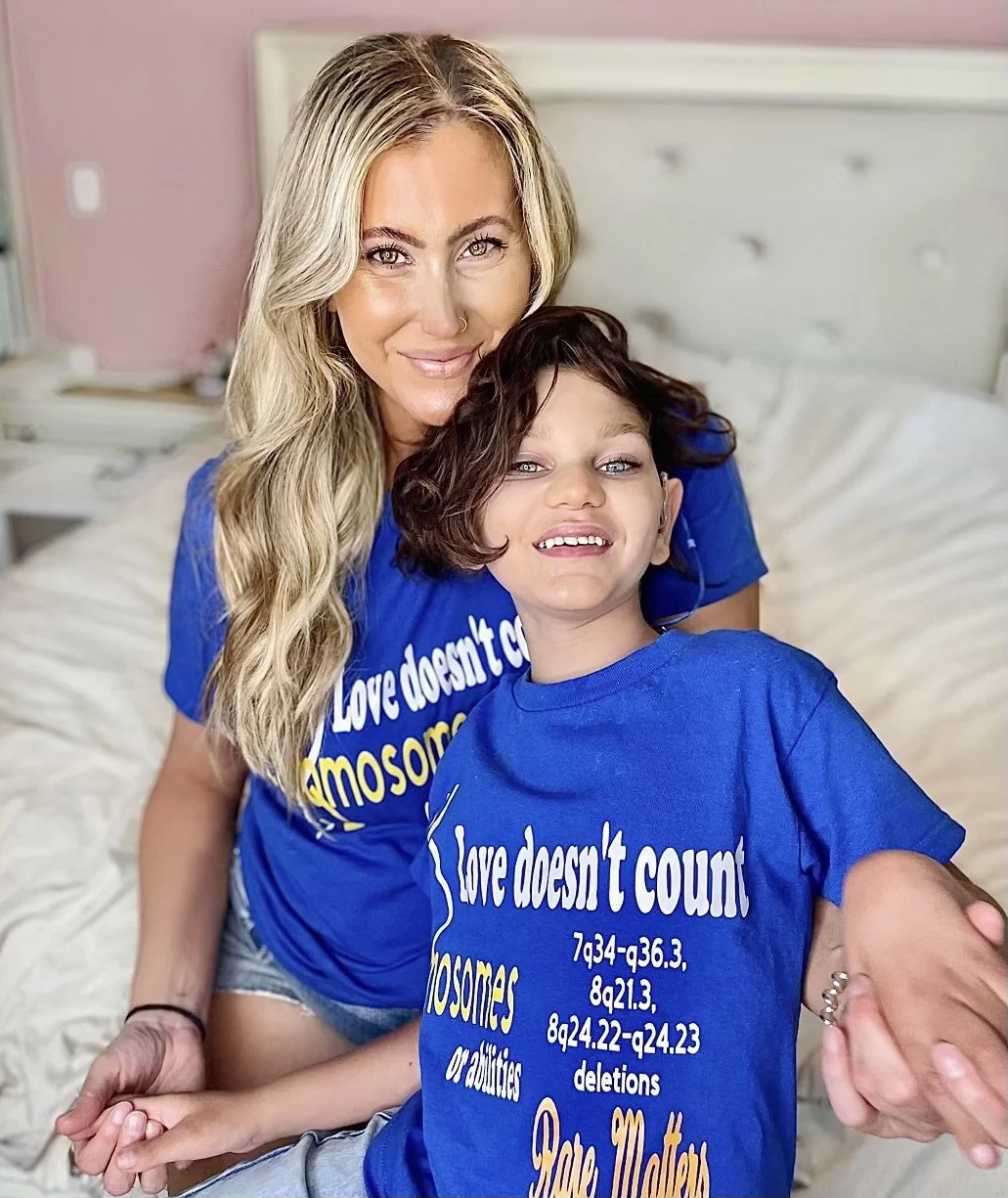
In the early stages of Angela’s pregnancy, doctors were concerned about the well-being of her baby and even suggested the possibility that he may not survive childbirth.
Baby Azariah, whose name means ‘God is my help’, was born prematurely and spent 33 days in NICU (Neonatal Intensive Care Unit). He was initially rushed to NICU due to an abnormal heart rate. Fortunately, the hospital had the state’s best paediatric electrophysiologist and diagnosed Azariah with a severely prolonged QT interval. He immediately started beta blockers, one therapy for Long QT Syndrome. Angela attributes this vital early intervention at only two days old to saving Azariah’s life.
Azariah would continue to need significant medical interventions for several other health conditions that he was born with due to extremely rare chromosome abnormalities. He is missing large portions of his 7th and 8th chromosomes, an abnormality so rare that there are only five others in the world known to have the same 7th chromosome deletion.
Long QT Syndrome was a completely new condition to Angela and her husband. Most people with congenital Long QT Syndrome have a family history, but that is not the case for Azariah. He is what is known as: de novo (new) mutation.
“We were told there was a long list of medications that could be dangerous for him, even very common ones. We also had to take special precautions, as even things like sudden loud noises could trigger dangerous arrhythmias in him.”

Angela admits that for the first year of Azariah’s life she stayed awake almost 24/7, as she wanted to be able to intervene if he went into sudden cardiac arrest.
Angela hopes that one day there will be alternative treatments or a cure as opposed to relying on beta blockers. Currently, Azariah undergoes month-long heart monitoring to track changes in his health and seizure activity.
Angela describes Azariah as the most loving, joyous boy who has a drive for life.
“We have learned to not fear Azariah’s long QT; to not allow it to consume us or steal our joy. We respect it, live with it, and implement precautions that allow Azariah to experience life to the fullest.”
Angela wanted to share their story to emphasise that the path to a happy life doesn’t involve merely pursuing pleasure and avoiding all pain.

“Azariah is the one that taught me that happiness is not found in the avoidance of pain and trials, rather it is found acknowledging that pain, holding on to hope and seeking our values, goals and faith. The more I try to avoid and suppress the trauma that often comes with LQTS and caring for a child with disabilities the less peace I have.”
To learn more about Long QT Syndrome, visit The SADS Foundation’s organization’s website at: www.sads.org.
Author: David Hutton.

Lizzy’s lifelong journey with Long QT Syndrome
Lizzy's journey with Long QT Syndrome began at birth when a nurse noticed her low heartbeat, leading to comprehensive monitoring and the identification of her arrhythmia. She was immediately transported to the Children's Hospital of Philadelphia, where she was diagnosed with Long QT Syndrome Type 3.

Lizzy's journey with Long QT Syndrome began at birth when a nurse noticed her low heartbeat, leading to comprehensive monitoring and the identification of her arrhythmia. She was immediately transported to the Children's Hospital of Philadelphia, where she was diagnosed with Long QT Syndrome Type 3.
Growing up, Lizzy saw herself as a "normal" kid, despite the restrictions imposed by her condition. Everywhere she went, an automated external defibrillator (AED) accompanied her, but she didn’t realize its meaning until later in her childhood. Lizzy's understanding of her condition deepened in second grade when she saw her picture on a substitute teacher's clipboard, labeled as a “health risk.”
Lizzy didn’t want to be seen as different, often underselling her condition to avoid being seen as a ticking time bomb. When kids at school would bring in sweets for their birthdays, Lizzy would often say she was allergic to chocolate rather than going into the details of her condition and the potential impact of caffeine on her heart.
Lizzy's ability to embrace life was greatly influenced by her mother. Recognizing the importance of providing Lizzy with a sense of normalcy, her mother enrolled her in theater and Girl Scouts, allowing her to participate in activities that wouldn't interfere with her condition. Lizzy's brother, Ben, also played a significant role in her life. Despite feeling guilt about his own good health, Ben stood by Lizzy's side, offering support through every challenge.

At the age of 11, Lizzy faced a pivotal moment when her pacemaker stopped working without alerting her doctors. Emergency surgery was required to replace the device and ensure her safety. Determined not to miss her school musical, Lizzy convinced her doctors to delay the surgery until after the performance, under the condition of being constantly monitored. Thankfully, she underwent the surgery without any complications and was even granted a wish through the Make-A-Wish foundation.
For Lizzy’s wish, she decided to meet her idol, Bethany Hamilton. Bethany, a professional surfer who had overcome adversity after losing her arm in a shark attack, inspired Lizzy to face her own challenges head-on. Lizzy got to spend a day surfing with Bethany in Hawaii, and during their time together, learned the importance of embracing one's unique journey and finding strength in the face of adversity. Lizzy left the experience filled with gratitude for her life, despite the hardships she faced.
Managing her condition requires a daily regimen of medications, which often leaves Lizzy fatigued and nauseous. Despite these challenges, Lizzy remains resilient, pushing forward and striving to make a positive impact on the lives of others. Helping others has become her greatest pleasure, and she actively works with the Make-A-Wish Foundation, volunteering her time, giving speeches, and sharing her story to bring hope to children facing their own battles. She has already raised $5,000 through MAW Founded, a club she founded at her high school.

Beyond her efforts with Make-A-Wish, Lizzy finds pleasure in spending time with friends, and taking care of her three rescue dogs. She also has a deep love for music and theater. Lizzy wants to thank her entire family who have extended unwavering support throughout her journey with Long QT Syndrome. Her mom, brother, grandparents, stepdad, and friends have all showed compassion and understanding, and have stood by her side during her hospital stays and recovery periods.
To others who are newly diagnosed with Long QT Syndrome, Lizzy's message is one of hope and resilience. She urges them to embrace their unique journey and recognize their challenges do not define them. Lizzy encourages others to approach life with gratitude, knowing that every day is a gift.
“I hope to help people realize they are not alone in their fights. Though it can be tough, I feel lucky to have received my diagnosis. With the diagnosis of Long QT, I hope you can achieve some sort of peace, knowing that you are not going through this alone. Some days can be challenging, but I thank my lucky stars for being able to experience both the bad and the good days. I hope that my story can make others feel seen and understand that they can still live a great life, despite their diagnosis.”
To learn more about Long QT Syndrome, visit The SADS Foundation’s organization’s website at: www.sads.org.

Ashley, Peyton & Avery’s LQTS Story
The family hopes that by sharing their story, people will evaluate how prepared they are for a cardiac event. Whether it's through CPR training or having AEDs in schools, they want to change the narrative of "it won't happen to me".

In 2017, when Peyton was seven years old, his doctor recommended a new medication. Before prescribing it, he advised Peyton to see a cardiologist for clearance.
His mother, Ashley, took him to see Dr. Patricia Thomas at Ochsner in New Orleans, where Peyton underwent a series of heart tests, all of which came back normal. However, the following day, Dr. Thomas called Ashley and expressed her desire to re-examine Peyton's results because she had a gut feeling that something was not right.
Upon re-examining the results, Dr. Thomas discovered Peyton's QT interval was longer than normal and requested that he return for further testing. Unfortunately, genetic testing for Long QT Syndrome was not available in their area at that time.
Finally, during Peyton's check-up in August of 2021, Dr. Thomas informed the family that genetic testing was now available, and one month later, Peyton's results confirmed he had a genetic mutation and was diagnosed with Long QT Type 1. As a result, Dr. Thomas ordered genetic testing for both parents.
On October 15th, Ashley received a call from Dr. Thomas, stating her test results showed the same genetic mutation as her son, and she was diagnosed with Long QT Type 1 as well. This diagnosis meant that other family members, including Peyton's sister Avery, would need to be tested.
November 9th proved a day that brought the family's world to a standstill. Avery was scheduled for a preventive EKG due to the diagnoses of her mother and brother. During the EKG, Dr. Thomas’s reaction to the results made Ashley worry. Normally Dr. Thomas displayed an amazing bedside manner, always asking the family about sports, or travel plans, but on that day, she couldn’t mask her genuine concern.

Avery was diagnosed with Long QT Type 1, like Ashley and Peyton, but Dr. Thomas also identified another heart arrhythmia called Wolff-Parkinson-White Syndrome (WPW). In WPW, an extra signalling pathway between the heart’s upper and lower chambers causes a faster than normal heartbeat. This fast heartbeat (tachycardia) is especially dangerous for someone who also has an irregular heart rhythm like in Long QT Syndrome. This was the first time Dr. Thomas had ever seen both arrhythmias together, and her diagnosis led to a series of tests the family was not prepared for, including stress tests, an electrophysiology study, and an eight-hour ablation.
Ashley was originally crushed by the diagnosis of both her children. Not only did she feel guilt for passing on the genetic mutation to her kids, but she was also fearful of what their future held. However, it didn't take her long to enter what she calls "mama bear mode".
Ashley immediately took action and figured out what needed to be done. All three were prescribed beta blockers to manage their prolonged QT, and Ashley made it her mission to ensure everyone responsible for her children, including teachers, coaches, and family, was CPR trained. She also made sure Automated External Defibrillators (AEDs) were present and easily accessible at school and their sports facilities.
Ashley also set out to make life as normal as possible for her children, and she was successful. Avery and Peyton are both very active teenagers. Peyton started playing baseball when he was only three and has continued to love to play even after his diagnosis. He also loves the outdoors and spends time on the water fishing, tubing, and boating. Avery is a competitive gymnast who loves the beach, tubing down the river, and hanging out with friends.
Along their journey, Ashley has helped make light of some of the limitations associated with their diagnoses. The family must bring an AED with them everywhere, which they have nicknamed "Ed". Their running joke is to make sure that Ed is in the car with them before they leave the house.

Overall, the family has been able to navigate the past couple of years with grace. Their message for the Long QT Community is one of courage and strength:
"You can't change it, so don't worry about it." - Avery
"You don't have to worry about it, just trust your doctors." - Peyton
"It's okay to feel sad or scared, but that's only somewhere you visit. You don't want to put down roots and live there. Pull up your bootstraps, work with your doctors to figure out your next step and get to work." - Ashley
The family hopes that by sharing their story, people will evaluate how prepared they are for a cardiac event. Whether it's through CPR training or having AEDs in schools, they want to change the narrative of "it won't happen to me" or "not in my town”. The family also encourages other families to get tested. Ashley knows she is lucky to be prepared for a cardiac event and is advocating for those who are not: "If we can save the life of one person by sharing our story, we've done our job."
For more information on genetic testing, visit The SADS Organization’s website at: www.sads.org.

Abrielle was two when diagnosed with LQTS Type 3
Two weeks after doctors told her parents she was the “picture of health”, Abrielle suffered a sudden cardiac arrest. Fortunately, her father was able to perform CPR until emergency personnel arrived.

In 2014, when two-year-old Abrielle went in for a checkup, doctors told her parents she was the “picture of health”. Two weeks later, she suffered a sudden cardiac arrest at home on a Saturday morning. Fortunately, her father was able to perform CPR for the 10 minutes it took for emergency personnel to arrive.
After multiple attempts, they were able to cardio-convert her heart. Abrielle then spent three weeks in the hospital recovering her motor and language skills and waiting for her heart to stabilize. During this time, she was diagnosed with Long QT Syndrome Type 3 and was implanted with an implantable cardioverter-defibrillator (ICD). The diagnosis was understandably quite traumatic for her parents, as Abrielle, being just two years old, had difficulty communicating her feelings about the experience.
It has now been nine years since Abrielle’s initial cardiac arrest and her Long QT Syndrome diagnosis. Abrielle's family is grateful for the excellent care provided by Dr. Michael Ackerman, Abrielle's physician, which has helped her maintain a relatively stable condition despite being a high-risk patient due to her long QT interval. When Abrielle was diagnosed, her family delved deep into researching the condition, which is how they discovered Dr. Ackerman, a world-renowned specialist in Long QT Syndrome.
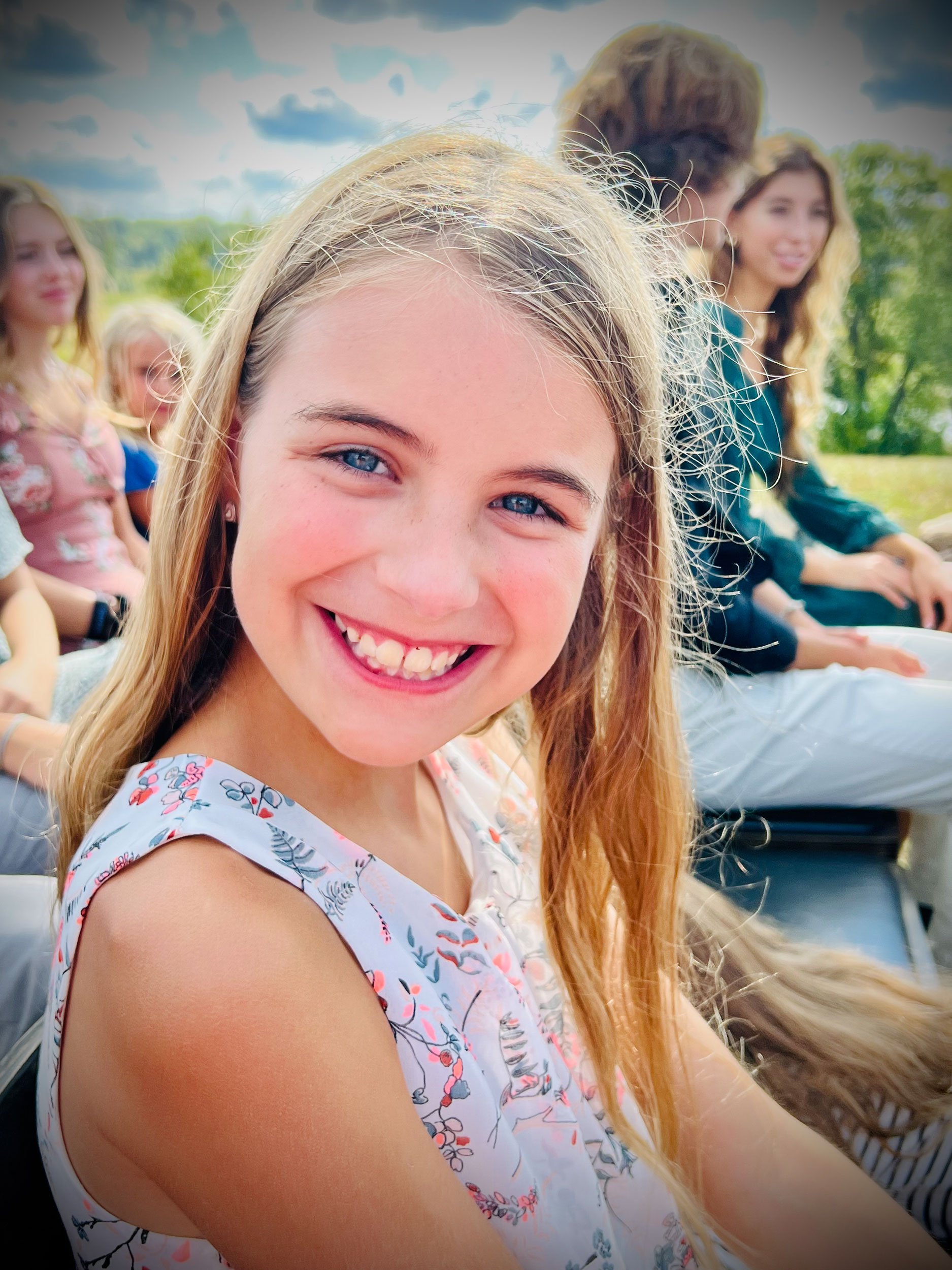
Although Abrielle has been relatively stable, there have been scary moments for the family since the initial diagnosis. This past February, Abrielle fainted and experienced multiple episodes of ventricular fibrillation while sledding with her siblings.
"It was a stark reminder to us of the reality of the serious nature of her heart condition. She is and appears to be completely healthy on the outside – and yet, her heart arrhythmia disorder can show up completely out of the blue, with no warning and with serious consequences," says Abrielle's mother, Angela.
Abrielle's family manages her condition by keeping her on a strict medication schedule, taking medicine at three specific intervals throughout the day. This schedule enables Abrielle to lead an otherwise active, normal, and happy life as a young girl. She enjoys exploring the outdoors, playing with her friends, reading books, attending dance classes, and swimming as often as possible in the family pool. Her message for those newly diagnosed with Long QT Syndrome is to not be afraid.
"I hope that by sharing my story, others can learn about Long QT and know that people like me who have it, can be happy and healthy. I know that having Long QT means my heart is different, but I look at it that it makes me special, and it makes me extra happy and thankful to be alive."


Rob’s not stopping for LQTS Type 2
Rob’s message to the Long QT community is to not fear their diagnosis. He lives his life by the same philosophy he applies in racing: Control what you can control.


In 2006, Rob’s first cousin once removed received a diagnosis of Long QT Syndrome after experiencing multiple fainting episodes that required hospitalization. The diagnosis prompted the rest of Rob's family to undergo testing, and it was discovered that Rob and his brother both had Long QT Type 2.
As a precautionary measure, Rob received a cardiac defibrillator implant following his diagnosis. Although the surgery was initially daunting, he eventually adapted to living with the device. However, it wasn't until 2011 that he discovered his love for running.
Since then, Rob has participated in numerous endurance events, including four ultra-marathons, nine marathons, twenty-five half-marathons, six half ironman races, one ironman race, and many sprint triathlons. Running has become his passion and a means for him to become the best version of himself.
This past weekend, on April 23 at the London Marathon, Rob accomplished his personal best time of 3:26:04, with an average pace of roughly 4:51 per kilometer (7:49 per mile).
Rob's message to the Long QT community is to not fear their diagnosis. He lives his life by the same philosophy he applies in racing: "Control what you can control."
Congratulations, Rob, on the wonderful achievement, and keep on showing the Long QT community how to be relentless, one step at a time!

Lizzie Presents to the Brigham & Women’s Hospital
Lizzie hopes sharing her experiences raising a child with an ICD and diagnosed Long QT Type 15, she will reach people it can help.

On April 6th, 2023, Lizzie presented to the Brigham & Women’s Hospital about her experiences raising a child with an ICD and diagnosed Long QT Type 15.
She hopes by sharing her story, it will reach people that it can help.
Lizzie Simon has had a prolific career as a tv and screenwriter, author, journalist, editor, teacher and producer. A graduate of Columbia University, she is the author of an acclaimed memoir, DETOUR (Atria Books) and a former arts columnist at The Wall St Journal. For more info, checkout www.lizziesimon.info and to subscribe to Lizzie's Letter, go to lizziesimon.substack.com.

Alicia’s LQTS Story
Her dad performed CPR for 20 minutes before emergency services could arrive and defibrillate her back to normal sinus rhythm. This is Alicia’s inspiring story

Alicia’s life suddenly changed 5 years ago. On June 25, 2017, Alicia had completed a mile long swim race. Then just 6 days later, on July 1st, she suffered a cardiac arrest only 5 minutes into an open water swim in Cambridge, Wisconsin—which was part of training for her first triathlon.
Luckily, her family was trailing her on a motorized boat. She looked up at her dad and mouthed “help”, but when he threw her a floatation device, she didn’t reach out for it. Her sister immediately jumped into the water and Alicia fell limp into her arms. Once Alicia was back on the boat, her dad performed lifesaving bystander CPR for 20 minutes before emergency services could arrive and defibrillate her back to normal sinus rhythm. She was then brought to Madison, Wisconsin where she was put into therapeutic hypothermia to recover.

It was the team in Madison that believed her condition to be Long QT syndrome based on the swimming incident and had her implanted with a defibrillator and pacemaker. When she returned home to Minneapolis, she underwent a series of tests. The initial exercise stress test did not show any prolonged QT, and Brugada Syndrome testing was negative as well. It was during the Epinephrine QT stress test that doctors found her prolonged QT and confirmed Long QT Syndrome. Alicia now takes a beta blocker twice per day and, along with the security of her pacemaker and defibrillator, she feels pretty good!
Unfortunately, Alicia can no longer swim but there have still been plenty of positives that came out of her near-death experience. Since her cardiac arrest, Alicia has been on a mission to spread awareness about the importance of bystander CPR. This initiative started when she created a fundraising platform called “Be Brave” that was originally meant to give back to the EMS community that saved her life. Since then, she has organized multiple charity events and raised over $25,000 through Be Brave.

Alicia is also a certified basic life support instructor. Her mission is to encourage bystander CPR, and she feels that the word “certification” scares people away from performing the lifesaving skill. Funds raised through Be Brave allow Alicia to teach hands-only bystander CPR to private groups in her community, including sports teams, schools, and even in people’s homes. Her current goal is to raise enough money through Be Brave to hire another AED trainer to grow her at-home style program.
Besides her passion for teaching CPR, Alicia already has extensive experience in healthcare. She has been a level 1 Trauma Nurse at Hennepin County Medical Center in Minnesota for the past 20 years, working in the emergency department for the past 15 of those years. She is also the mom of two boys who are very busy themselves with football, hockey, and basketball. To top it off, Alicia is an amateur charcuterie board maker! What started as a hobby with her girlfriends during COVID, turned into a business that was actually so busy she had to shut it down, and now only makes boards for special occasions.
Overall, Alicia has been living a full and rounded life since what could have been a horribly devastating day. She has learned to live with her condition and has turned the experience into an opportunity to advocate for what she believes in: Be Brave and perform bystander CPR. It can save a life!


Complete the 10-minute SADS Research Survey & Help Change Lives
The SADS Foundation is working with companies almost ready to recruit participants for first-of-their-kind clinical trials. But first, they need to learn more about the SADS community through this ten-minute survey so they can help connect you to research studies.
There’s new, exciting, and groundbreaking research on the horizon for SADS conditions.

At the SADS Foundation, they are working with companies, including Thryv Therapeutics, who are almost ready to recruit participants for first-of-their-kind clinical trials for these new therapies.
But first, they need to learn more about the SADS community. This ten-minute survey will help them learn more about you so they can help connect you to research studies you might be eligible to participate in, and helps researchers learn more about their condition communities as research progresses.
Thryv Therapeutics is supporting the SADS Foundation in this survey.

Taking the Plunge for “The Long Cutie” & All Those with LQTS
In July 2021 a team of former Indiana University Swim Team are competing in the Trans Tahoe Relay race to raise awareness of Long QT Syndrome and the need for advanced treatments, while raising funds for 4-yr old Isla who has LQT3.

We are now Thryv.
LQT Therapeutics Inc. has changed its name to Thryv Therapeutics Inc.

On Saturday, July 17, inspired by the story of Dave Hutton and his four-year old daughter, Isla, “The Long Cutie,” a team of former Indiana University Swim Team members - Taylor Truex, Samantha Lisy, Mackenzie Atencio, Rachel Matsumura, Shelby Koontz and Levi Brock - are taking the plunge and competing in the Trans Tahoe Relay race. Created in 1976, the Trans Tahoe Relay is one of the largest organized, open water swimming events in the world, promoting, according to its website, “a team-spirited competition between swimming clubs and other groups and organizations.”
Each year, the Olympic Club of San Francisco hosts the event, a 10-mile race from the Nevada side of Lake Tahoe to the California side. The event draws former Olympians, competitive masters swimmers and collegiate teammates to tackle the challenge, with team members taking turns swimming for 30 minutes, then rotating every 10 minutes until reaching the finish line (when one member of the team is in the water, the others follow along on boat).
This year, we’re keeping a keen eye on those former IU swimmers, who’ve dubbed themselves “The Long Cuties,” as they are using the event to raise awareness of Long QT Syndrome and the need for research into advanced treatments, as well as raise funds for Isla and her family - be sure to visit their GoFundMe page here.
Recently, we visited with The Long Cuties swimmers to get insights into the training the team members are going through, their motivation, and their expectations for the race.
How did you first become aware of Trans Tahoe Relay, and how did your team come together for this year’s race?

Rachel Matsumura: A couple of us are from the Reno-Tahoe area, and had heard of the race, but never found the right time until now. The few of us from here have some former Northern Nevada teammates that have competed in the race before, so we thought it would be fun to bring our IU friends to Tahoe and show them around!
We all swam at Indiana University together and have been great friends ever since. We have been wanting to do this for a few years now, and thought it would be a great way to have a fun reunion and reignite our love for the sport of swimming. We are so excited to be raising awareness of Long QT Syndrome with our Northern Nevada community!
How does an open water swim differ from a pool swim?
Sam Lisy: An open water swim is much different than a pool swim! It can be both more refreshing and more challenging. In a pool, you have designated lanes which are separated by lane lines, controlled water and air conditions, and a designated distance with walls. There is much less control in an open water race for all of the aforementioned things. Of note for the water conditions - there are waves, currents, and in Tahoe specifically, very cold temperatures! Also, because there aren’t lanes or walls, swimmers have to pick their heads up and spot where they’re going, which causes disruptions to the stroke rhythm. While the lack of predictability may provide a challenge, open water allows swimmers to soak up sun, experience exciting new locations, and break up the monotony of endless laps in a pool.
When did you get serious about training for the event, and what kind of regimen are you and your teammates going through to get in condition to compete?
Shelby Koontz: We decided to become serious about this event once we found out that this race was still happening since they cancelled last year’s event due to the COVID-19 pandemic. Once our entry was accepted and our fundraising for Isla began a month ago, we then started to train a couple days a week in the water. Some of us have been out of the water for a couple of years, so we got back in the water to let our bodies get used to swimming again. A lot of us have been doing a lot of out of water cardio training and long distance swims to get our bodies in shape for the 10-mile swim.
What are your goals for this year’s race?
Levi Brock: Our primary goal for this year’s race is to raise awareness of a treatable but fatal condition called Long QT Syndrome. As we planned, we got to know a girl, Isla, afflicted with LQTS, and her father. Currently we are trying to raise enough money for Isla and her family to go on a vacation that she can handle with her condition.

This is Isla, The Long Cutie
Initially we were looking for a reason to all get together as a group and do something fun. As a group of former swimmers, an aquatic race was the obvious choice. We’ve been out of the water for nearly four years now, so we are just hoping to finish the race in the allotted time and have some fun in the beautiful scenery of Lake Tahoe.
Your team has been inspired by Isla, the “Long Cutie.” How did you find out about Isla, and what messages do you want to send to her and her father, Dave?
Taylor Truex: Through LQT Therapeutics' Patient Story on Isla and her father, Dave, I became aware of the blog Dave had started from the beginning of Isla’s and his journey with LQTS. Seeing his frequent updates on social media, I saw how much impact Isla and Dave have had on their followers, and I knew they were going to be a family we wanted to do something special for.

Isla and Dave, thank you for being our inspiration: 1) to get back in the water and back together as teammates, but more importantly 2) thank you for letting us take your story to spread awareness through our communities!
What messages do you want to send out to the larger LQTS community?
Mackenzie Atencio: Our hope is that the larger LQTS community would feel supported and visible through our efforts. This particular fundraiser may be about one little girl, but Isla is just a representative of all those who live with this disease. We want the world to know more about it to not only support those it affects, but to come together with our finances, our intellectual abilities, and our emotional support to give each person living with LQTS the opportunity to live with the highest quality of life possible.


How Many LQTS Patients are There?
LQTS has a very real impact. At a rate of 1 in 2,500 newborns, prevalence could be north of 130,000 people in the USA alone. Most importantly, we have the ability, and perhaps the moral obligation, to diagnose LQTS and uncover individuals born with it.
We are now Thryv.
LQT Therapeutics Inc. has changed its name to Thryv Therapeutics Inc.
Over the past few months we’ve made great progress at LQT Therapeutics. Our research is beginning to pay off as several of our compounds have demonstrated promising initial effects in inducible pluripotent stem cells from patients with Long QT Syndrome (LQTS) - a standard cellular experiment used to evaluate the potential of therapies to manifest changes in action potential duration - a electrical signal correlated to the QT interval.
We have multiple compounds that have the basic characteristics of a potential clinical lead compound and we continue to advance towards initial toxicology studies which will enable our eventual clinical programs. It seems, in light of our promising (still early) research results, that we should revisit our Long QT Syndrome patient populations and put this rare disease into perspective.
One of the primary challenges of rare diseases is that they are … well, rare. A disease is generally defined as rare if it affects less than 200,000 U.S. adults. While rare diseases are individually uncommon, there are many rare diseases in the aggregate, with nearly 7,000 rare diseases affecting 25-30 million U.S. adults, or roughly 9-12 percent of the U.S. population.
Patients with rare diseases face three primary challenges:
They suffer the consequences of the disease but continue to live undiagnosed,
They experience the manifestations of the disease, but struggle to find physicians knowledgeable enough about their condition to effectively treat and manage them,
They may face high costs for disease-specific medications and treatments.
For physicians dealing with patients diagnosed with rare diseases, knowledge with managing such diseases are typically concentrated in a relatively few number of highly experienced clinics where clinicians have taken special interest and have developed deep experience with these conditions. Of course, a clinician’s expertise in managing any disease or disorder is proportional to the frequency with which she treats patients with the disease or disorder.
At LQT Therapeutics, we’re often asked, “How prevalent is Long QT Syndrome?” and “How many patients are treated annually?” They are great questions and while we can attempt to estimate the number of patients from genetic studies or extrapolate from hospital admissions, often we don’t precisely know how many people are afflicted, until a therapy is available …
The prevalence of Long QT Syndrome
There’s a lot unknown about the population of Long QT Syndrome (LQTS) patients, but there are several known ones. First, LQTS affects males and females in equal numbers and appears equally prevalent in all ethnic groups. The responsible mutation is genetically transmitted and thus it tends to run in families.
We also know animal models are difficult for researchers to exploit as they tend to be unreliable, unrepresentative of the true disease, and/or unproven. Recent advances in the use of stem cells from LQTS patients is by far the best tool researchers have.
LQTS is a disease that does not discriminate, and it is a very human disease, often resulting in sudden cardiac death.
The exact incidence and prevalence of the LQTS is not known. A 2009 study of nearly 45,000 infants found 17 cases of Long QT Syndrome, or 1 in 2,500 newborns. Sixteen of those cases were confirmed through genetic screening. While the study had some limitations, when combined with the findings of Dr. Silvia Priori’s study where more than 35 percent of patients with Long QT Syndrome experienced serious cardiac events by the time they are 40, the need for new approaches becomes very clear.

Citation: Prevalence of the Congenital Long-QT Syndrome, Peter J. Schwarz, et. al., Oct. 19, 2009

Citation: Kaplan–Meier Estimates of Cumulative Survival Free of Cardiac Events among the 580 Patients with the Long-QT Syndrome in the Risk-Stratification Analysis, According to the Quartile of the QT Interval Corrected for Heart Rate (QTc).
LQTS is a human condition with a very real human impact, and at a rate of 1 in 2,500 newborns, prevalence could well be north of 130,000 people in the United States alone. Most importantly, we have the ability, and perhaps even a moral obligation, to diagnose LQTS and uncover the patients born with this disease. While ECG screening is often utilized for competitive school sports, multiple organizations including the Cardiac Safety Research Consortium and the FDA (though other stakeholders are expected to become engaged) are exploring approaches to childhood screening in the US.
Prevalence vs. importance
Prevalence aside, LQTS is an important disease for several reasons. LQTS is often a lethal disorder, and symptomatic patients left without therapeutic treatment have a very high mortality rate within one year from a patient’s first syncope (temporary loss of consciousness caused by a fall in blood pressure). They also experience clinically meaningful symptoms such as marked lightheadedness and syncope. Current therapies, mainly beta blockers and implantable defibrillators, are not adequate, and thus there remains a major unmet medical need for new therapies.
Even with less than optimal treatments and their inherent life-altering side effects (often leading to non-compliance), the impact on mortality alone makes the search for treatments of symptomatic but undiagnosed patients mission-critical.
Additionally, LQTS is a cardiac disease in which molecular biology and genetics have made tremendous progress and is a prime example of the genotype-phenotype correlation. In this regard it represents a paradigm for sudden cardiac death, and further progressive study in both the lab and the clinic helps the entire medical community to better understand the mechanisms underlying sudden death in more complex cardiac disorders such as ischemic heart disease and heart failure.
Answering a question with a question?
How prevalent is LQTS? How many patients are there? How many would be “enough?”
LQT Therapeutics has been honored to share the LQTS stories of the most courageous people we’ve ever met:
Charlie Moisey, a young mother and a 4x cardiac arrest survivor
Alexis Holmgren, a young Canadian who doesn’t let LQTS slow her down from a number of accomplishments, working tirelessly for inclusion for everyone
Daiana Diaz Montes, a beacon of joy for her central California community
Darcy Carhill, who went from flatlining to giving birth … over the span of just nine minutes
Emily Boone, who doesn’t let LQTS slow her down from working as a full-time occupational therapist
Marjaan Barbano, a cardiac arrest survivor who has recently started a family
Sarah Michaelis-Heidman, a 25-year old 3x cardiac arrest survivor committed to driving awareness for a number of life-altering conditions
Isla Hutton, a four-year old Brit who will melt your heart with her smile
Alexander, Adrien and Palmire Thomas, all reaching, and one dancing, for the stars despite LQTS
These brave LQTS warriors are part of the community that inspires our team at LQT Therapeutics, and stokes the fire that drives us to #BeRelentless in finding advanced treatments - and eventually a cure. Read their stories and join us in spreading the word about LQTS.
Long QT Syndrome is a discoverable disease that can be treated, and we’re working tirelessly in the laboratory to uncover even more effective treatments - for these strong and courageous people.

Long QT Syndrome and Its Various Types
Long QT Syndrome is a relatively rare heart rhythm disorder. It affects the heart’s electrical system, resulting in abnormal electrical activity that can cause potentially fatal rapid heart rates and rhythms. There are various types of LQTS, and this article provides an overview of them.
Long QT Syndrome (LQTS) is a relatively rare heart rhythm disorder. It affects the heart’s electrical system, resulting in abnormal electrical activity in the heart that can cause potentially fatal rapid heart rates and rhythms. There are many types of inherited LQTS, and this post attempts to provide a high-level overview to answer the question, “What are the different types of Long QT Syndrome?”
The QT Interval
Essentially, the QT interval is the amount of time it takes for the heart’s ventricles, its lower chambers, to contract and pump blood, and then recover. In a heartbeat, the QT interval is the time from the beginning of the QRS complex, representing ventricular depolarization, to the end of the T wave, resulting from ventricular repolarization. Ventricular repolarization is the time it takes for the heart’s electrical system to transmit a signal through the ventricles and reset.
A long QT interval is an abnormal pattern as detected on an electrocardiogram (ECG), a simple, noninvasive test that measures electrical signals in the heart. With each heartbeat, an electrical signal travels through the heart, and an ECG can illustrate if the heart is beating at a normal rhythm and rate.

According to the Sudden Arrhythmia Death Syndromes (SADS) Foundation, LQTS is primarily diagnosed upon the detection of a prolonged QT interval on an ECG. A QTc of 470 milliseconds (ms) in males and 480 ms in females is generally considered strongly suspicious for LQTS, in the absence of medications, which prolong the QT interval or other forms of heart disease.
In people who have LQTS, the heart takes longer to repolarize or reset between beats - that is, the QT interval lasts longer than normal - and can lead to the development of dangerous rapid heart rates (arrhythmias), called torsade de pointes, which may manifest as fainting, sudden cardiac arrest, or death. Torsade de pointes is a very characteristic arrhythmia because the QRS complexes appear to be twisting around an isoelectric baseline.
Example of torsade de pointes on an ECG
Long QT Syndrome is due to an inherited genetic mutation affecting one of several cardiac ion channels. In addition, patients receiving drugs which prolong their QTc can also develop long QT intervals that predispose them to torsade de pointes. The three most common types of inherited LQTS are Types 1, 2 and 3, which have similar symptoms and complications, but different genetic causes and triggers for arrhythmia development.
Common Types of Inherited LQTS (LQTS Type 1, Type 2 & Type 3)
In Long QT Syndrome Type 1 (LQT1), a potassium ion channel coded by the KCNQ1 gene has a reduced current resulting in QT prolongation, disrupting the heart’s electrical activity. Physical exercise and emotional stress can trigger torsade de pointes.
Long QT Syndrome Type 2 (LQT2) results from reduced potassium current flowing through the hERG channel encoded by the KCNH2 gene. Emotional stress, surprise, and startling can initiate arrhythmias in people with LQT2, and common triggers include sudden, loud noises such as horns or even alarm clocks.
Long QT Syndrome Type 3 (LQT3) occurs when too much sodium flows through the heart’s ion channels due toSCN5A gene mutations. The increased sodium flow alters the cardiac cells’ proper electrical activity in the heart, and can trigger an arrhythmia. People with LQT3 often develop arrhythmias during sleep or rest, associated with a slower heart rate. Although people with LQT3 have fewer episodes of arrhythmia, those episodes are more likely to be fatal.
Long QT Syndrome Type 5
Research and related insights into Long QT Syndrome Type 5 (LQT5) is relatively new in the field, and prior to late 2019/early 2020 had been limited. Recently, new studies have been conducted to improve the community’s understanding of the clinical phenotype and genetic features associated with rare KCNE1 gene variants implicated in LQT5. Two individuals with LQT5, Marjaan Barbano and Darcy Carhill, have been featured in Thryv Therapeutics’ Shared Stories series.
Multisystem Disorders Associated with Either Prolonged QT or QTU Intervals
Far less common disorders include:
Ankyrin-B Syndrome - originally labeled LQTS Type 4 (LQT4).
Andersen-Tawil syndrome (ATS) - formerly identified as Long QT Syndrome Type 7 (LQT7) is a rare multisystem disorder characterized by a triad of clinical features including periodic paralysis, dysmorphic features, and ventricular arrhythmias.
Timothy Syndrome (TS) - formerly known as Long QT Syndrome Type 8 (LQT8), and is an extremely rare, multisystem, highly lethal arrhythmia disorder associated with extreme QT prolongation, dysmorphic facial features, congenital heart disease, immune deficiency, developmental delay, and often syndactyly.
Real Life LQTS Journeys
To see what the different types of LQTS look like in the lives of everyday people, please visit our Shared Stories series. These incredibly brave individuals have shared their symptoms, diagnoses, treatments and how LQTS influences their lives, so we can be informed and bring the LQTS community together.