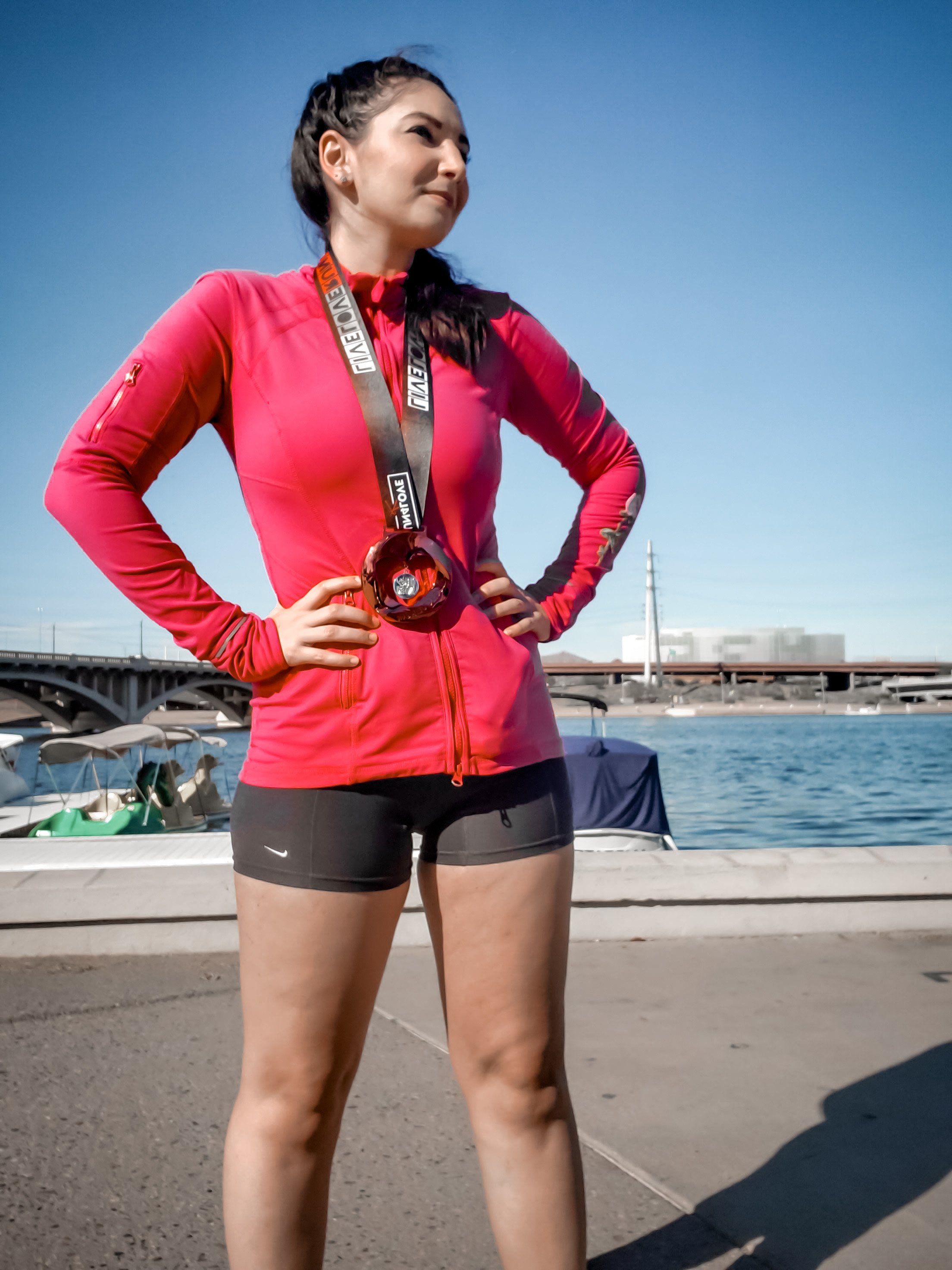
I was 15 the first time I passed out. One moment I was overwhelmed by school and rushing to my next class; the next, my best friend was shaking me awake on the floor. In small-town USA, without health coverage, no further testing was done. I was told it must have been a panic attack.
After getting COVID, I started feeling faint almost every day. But as a fit, healthy-looking 25-year-old with a “history of anxiety,” I was dismissed repeatedly in ERs and specialist visits.
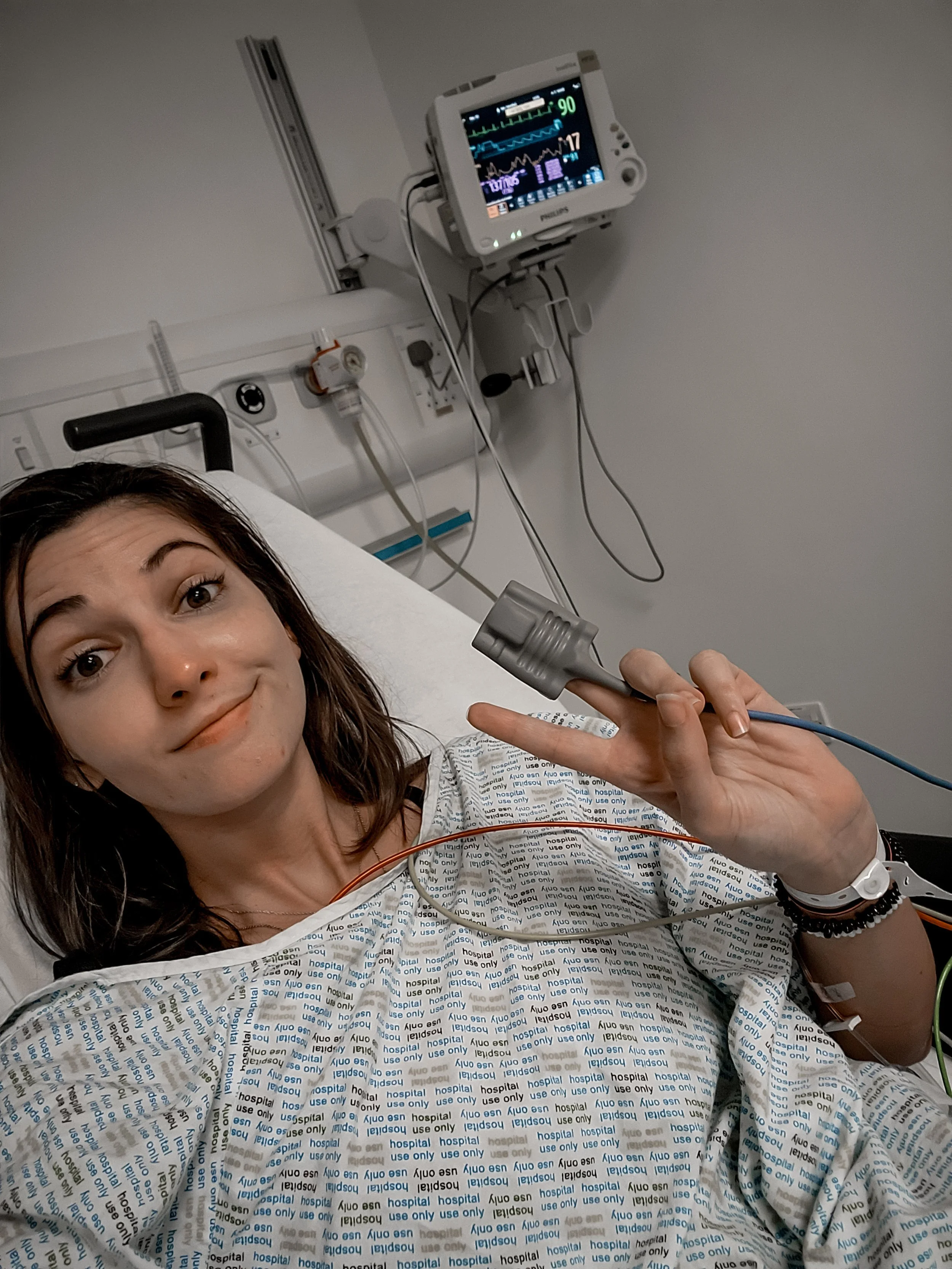
Then, in October 2023, now living in the UK with my husband, I collapsed at work. This time, with no fear of massive medical bills, I finally saw a cardiologist who noticed something unusual on my ECG. At the time, I was taking three QT-prolonging medications.
The second cardiologist I saw may have saved my life. He told me: “Your ECG today was normal. I believe you have POTS, but I’m not entirely confident you don’t also have Long QT Syndrome. I’m going to refer you for further testing just to rule it out.”
Genetic testing at the Queen Elizabeth University Hospital ICC revealed a KCNQ1 heterozygous mutation—Type 1 Long QT Syndrome.
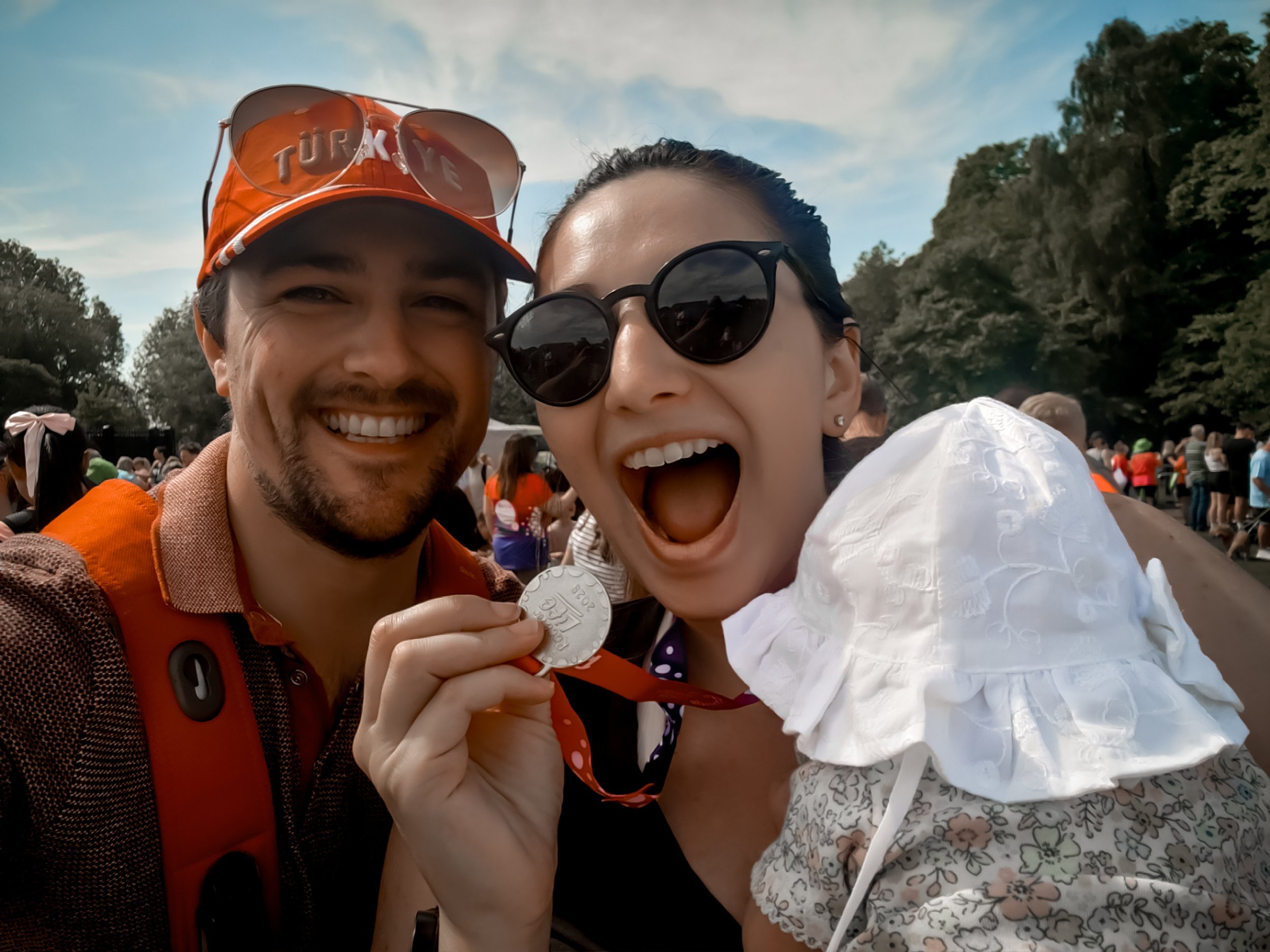
At 30, newly postpartum and dreaming of an ultramarathon, that diagnosis hit hard. I feared I’d have to stop training altogether, and I worried about how my family back in the U.S. could ever afford testing themselves.
Thanks to the NHS, just six days later I was back at the ICC with my 5-month-old for her testing and to discuss my treatment plan. I braced for bad news, but my doctor was optimistic: with medication and some adjustments, I could keep running.
As long as I stay consistent with my beta blockers, I can train—with a few sensible limits: not when I’m sick, overtired, or dehydrated. Until I complete my exercise tolerance test, I won’t be chasing personal bests, but that’s coming soon—and I’m hopeful.
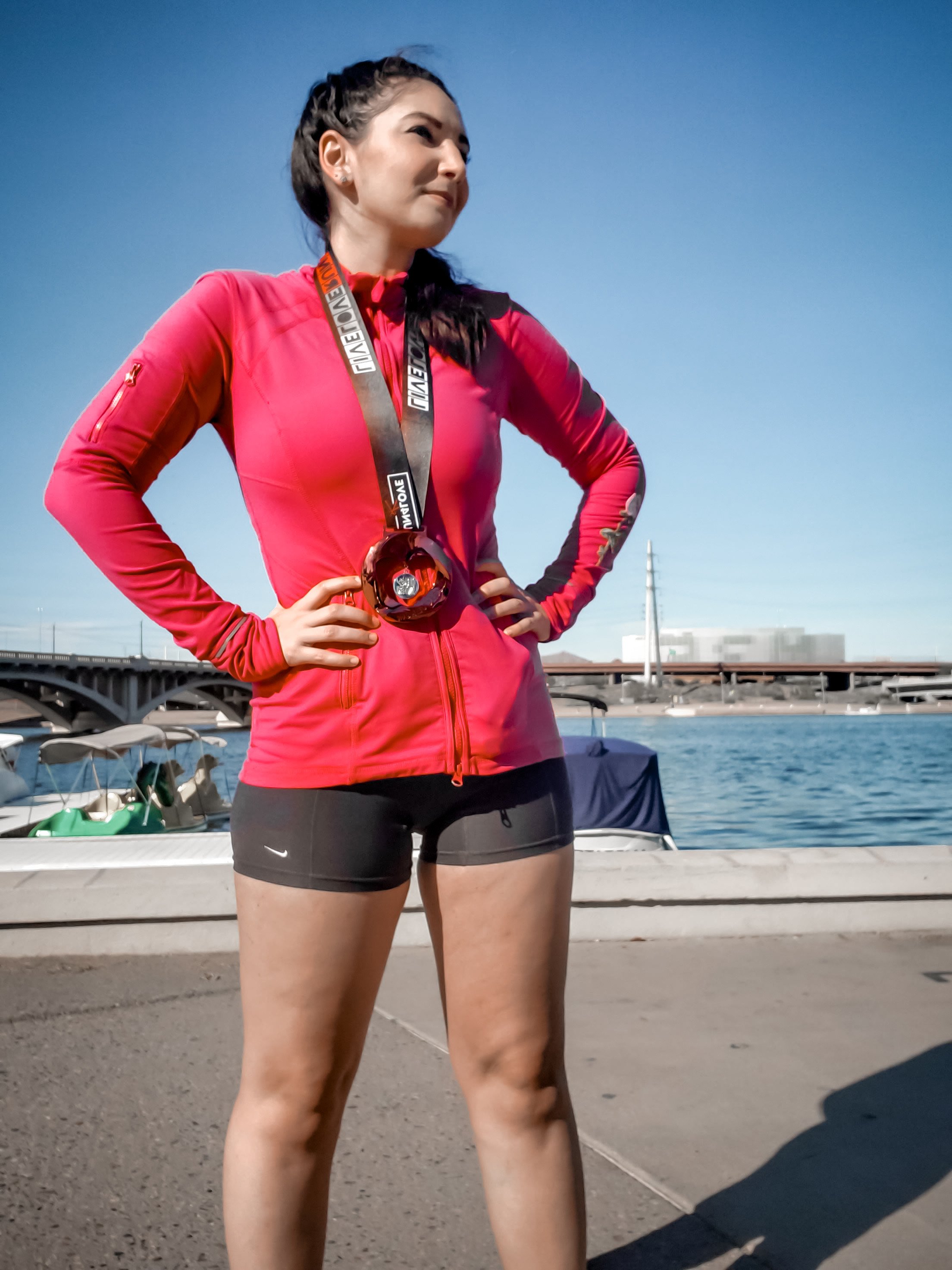
I was furious to learn that my QT interval had shown up prolonged on two separate ECGs in the U.S., and no one ever flagged it. Between then and my diagnosis, I even completed an unsupported desert marathon across South Mountain in Arizona. Only now can I fully recognize how incredibly dangerous that was for me. At that point, I was also on five different QT-prolonging medications.
Now I know my heart is protected as I chase my dreams. I’m deeply grateful to Dr. Myles for her clear explanations, her support, and her shared goal of keeping me moving. I can’t overstate the difference a supportive doctor can make.
For now, I’ve been cleared to run The Great Scottish 10k, and I remain hopeful that an ultramarathon is still in my future. Perhaps I'll even be able to do it in partnership with a charity to raise funds and awareness for those with heart conditions like mine.
To anyone newly diagnosed with LQT1: keep moving forward. It might take adjustments and careful planning—but don’t sell yourself short. There’s still so much hope for the long run.

To learn more about Long QT Syndrome, visit The SADS Foundation website at: www.sads.org.
Author: David Hutton.