
Thryv Therapeutics
SHARED STORIES & BLOG

Charlie Moisey, 4x Sudden Cardiac Arrest Survivor
Soon after the birth of her daughter, Charlie Moisey began to fall ill, but was turned away by her GP. Two months after the birth, her condition worsened.
We are now Thryv.
LQT Therapeutics Inc. has changed its name to Thryv Therapeutics Inc.
Charlie Moisey is a 22 year-old mother of one living in Leicestershire, England. This year, she celebrated World Heart Day, Tuesday, September 29, for the first time as a survivor of sudden cardiac arrest - in her case, four instances of sudden cardiac arrest.
Through those episodes of sudden cardiac arrest, Charlie was diagnosed with Long QT Syndrome (LQTS), a journey she frequently shares via her Instagram account. She shares more of her experience with LQT Therapeutics, below.

How did you become diagnosed with LQTS; what were the particular circumstances?
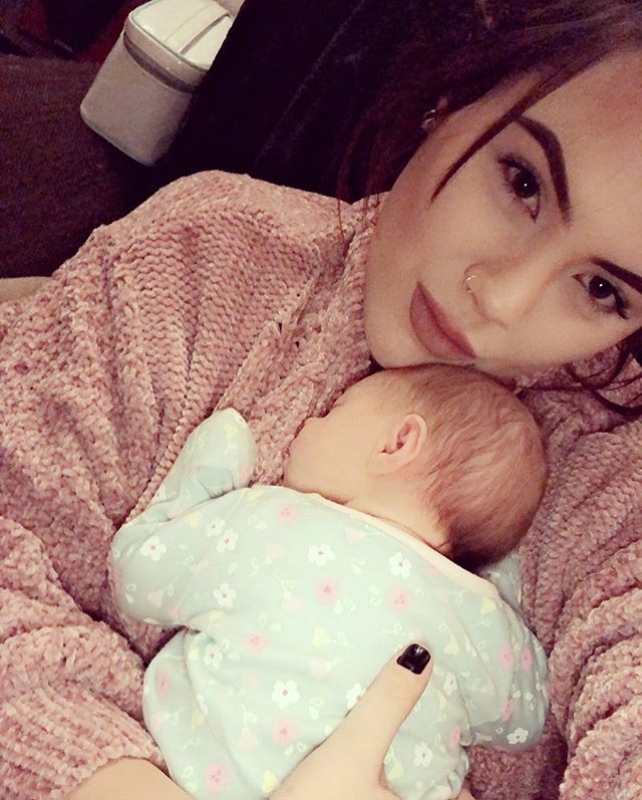
Soon after the birth of my daughter, Aurora, I began to fall ill, and I had complaints of back and abdominal pain. Unfortunately, I was turned away by my general practitioner doctor who advised me that everything was fine.
Two months after the birth of my daughter, as my condition worsened, I was admitted into the hospital and taken to the Intensive Care Unit, where I was diagnosed with gallstones, kidney failure and acute necrotising pancreatitis, a condition where tissue within the pancreas essentially dies and can become easily infected.
After a couple of months battling with the pancreatitis, things took a sharp turn for the worse. I was on a drug regimen of intravenous painkillers, with anti-nausea and antidepressant medications. Those medications, combined with my ill health, tipped me over the edge. With another dose of an anti-nausea medication, I suffered a sudden cardiac arrest.
Unaware that medication was the cause of my cardiac arrest, I later suffered three more cardiac arrests. I was transferred to Nottingham City Hospital, where I had more treatment from specialists. After some rest and many examinations, it was found that I had underlying Long QT Syndrome and all the medications I had been given had further prolonged my heart’s QT waves.
How did you feel after you were initially diagnosed? What were your emotions and your most immediate thoughts?
When I was told I had multiple cardiac arrests I didn’t quite understand. It took a while to sink in. I didn’t get emotional over it as I was just happy to be alive and was thankful to doctors that they had finally got to the bottom of what was causing the arrests. I couldn’t have received better care anywhere else. After all the uncomfortable testing and the diagnosis, I felt more relieved than worried. I could get the right treatment and I finally knew what was going on with my own body. I did have anxiety over having my ICD fitted because by that point I was sick of hospitals and really didn’t want anymore surgery. But, I knew in the long run I would feel a lot safer and more at peace knowing I had it there in the event of having another cardiac arrest.
Before you suffered your first cardiac arrest and were later diagnosed with LQTS, did you suffer through any episodes like fainting, seizures or accelerated heart rates that might now be looked at as possible symptoms of your LQTS condition?
As a teenager I occasionally got episodes of intense chest pain and over the years experienced fainting and dizzy spells, but had always put it down to “getting up too fast”.
As part of my treatment, I did undergo genetic testing, and the results were inconclusive. However, with the history of cardiovascular conditions that run through both sides of my family, my medical team and I think it’s almost certain I inherited the condition.
How are you managing your LQTS condition?
When I was discharged from the hospital, I was given a lifevest during the time I waited to be fitted with an ICD. I had the device implanted in June 2019, and I’m now on a very carefully selected regimen of medications. I haven’t had any cardiac events yet.

What do you most enjoy doing?
I spend every available moment with my beautiful daughter!
What do you hope to achieve by sharing your LQTS journey story with others?
I hope my story will be useful to others, as I have found great value in understanding more about living with LQTS from following others on social media and reading their stories. I think it’s important to share mine as my cardiac events were brought on by the side effects of several different medications. I hope my story helps raise awareness and hopefully more research and treatment can be found!
At LQT Therapeutics our mission is to relentlessly pursue precision therapies to treat Long QT Syndrome, allowing people to live their best lives. Without limits.
Discover how we are doing this.

Alexis Holmgren, LQTS Type 5
Alexis Holmgren, a 20-yr old from Alberta Canada, was diagnosed with LQTS Type 5 when she was 12. Growing up she experienced multiple fainting spells after basketball practice and three near-drowning events between the ages of 10 and 11, but as she reveals, LQTS doesn’t define her.
We are now Thryv.
LQT Therapeutics Inc. has changed its name to Thryv Therapeutics Inc.
Alexis Holmgren is a 20-year old from Central Alberta, Canada, and she lives daily with Long QT Syndrome (LQTS) Type 5. While Alexis has LQTS, it is certain from following her posts on Instagram (@ggalexis12 & @therarewanderer) that LQTS does not define her.
Recently, Alexis sat down with LQT Therapeutics to share a bit of her LQTS story.
What was your road to being diagnosed with LQTS?
Growing up, I was symptomatic of having LQTS, with a history of multiple fainting spells after basketball practice at the age of 10, and three near-drowning events between the ages of 10 and 11.
After having to be pulled from the bottom of the swimming pool as a result of a fainting event after being pushed off the high diving board, the lifeguard at the time told me to be more careful and lectured me about not ‘messing around’ in the deep end of the pool. Despite this, I have been an advanced swimmer from an early age.
In another event, I fainted after doing the polar bear dip (diving into icy cold Canadian waters) and woke on the bottom of the lake. In my third near-drowning event, we were on a family vacation in Hawaii and my mom and I were SNUBA diving (similar to SCUBA diving but with a hose attached for air rather than an air tank), and I passed out underwater. When I woke up, my air tube was floating away from me and I was still held under more than 10 feet of water by a weight belt I was unable to remove myself.
I had never been more afraid that I was going to die. Luckily, the instructor noticed my air tube was floating away without me and dove down from the raft to check on me and eventually pulled me out of the ocean and up to the raft. I’ve not been diving again since.
However, despite having multiple events, at the time these were not recognized as warning signs, so a possible chance for diagnosis was missed and I never received any medical tests. Then, in July 2012, my mom had a simple kidney stone surgery that led to three sudden cardiac arrests that caused her to suffer a moderate anoxic brain injury. During her resulting treatment, she was diagnosed with congenital Long QT Syndrome Type 5 after receiving a positive genetic test.
It was at this point that I was able to be tested. Long before my genetic test results came back though, it was clear I had inherited Long QT Syndrome from my mom based upon both my previous symptomatic history and a prolonged QT interval identified on multiple EKGs; intervals that prolonged further during a stress test, especially during the recovery phase. I received a clinical diagnosis of LQTS three months before my genetic test returned a positive result. I was 12 years old at the time of my diagnosis.

After the diagnoses in both my mom and I, my aunt suffered a sudden cardiac arrest in March 2014 from LQTS. At that time, she had not yet had the opportunity to be genetically tested because she didn’t qualify under our provincial guidelines until my grandma first tested positive for LQTS. From this event, she suffered a major anoxic brain injury and was unable to care for herself. She started beta blockers (Nadolol) and had an ICD implanted, but died from another LQTS-related cardiac arrest two days before Christmas in 2017.
You were quite young when you were diagnosed with LQTS - how did you feel when you were diagnosed, and how did you work through the process?
It was extremely stressful at first. I had just witnessed my mom have three sudden cardiac arrests and saw her on life support where I was told to say my final goodbyes, an experience that caused me to develop post-traumatic stress disorder (PTSD); I still struggle with this. Then, all of a sudden, I was hit with the reality that I had a 50 percent chance of having the same condition that almost killed my mom.
Honestly, at first, it was worse to think my little brother who is three years younger than me could possibly have LQTS when he already struggled so much day-to-day with Autism Spectrum Disorder (ASD) and attention deficit hyperactivity disorder (ADHD). I remember saying I would take the condition so he wouldn’t have to deal with it. Of course, that is not how genetics work, but I still didn’t want him to have to deal with this on top of the other challenges he faces.
At the same time, I was terrified that having LQTS would mean the same thing would happen to me as what happened to my mom - that I would go into multiple cardiac arrests and face Implantable Cardioverter Defibrillator (ICD) complications like sepsis. It didn’t help that when she was still on life support, a nurse told me that, “Your mom died because of this (LQTS), and you’re going to die too if you have it.” That was the first description of Long QT I had, and I was, understandably, extremely scared. I thought a LQTS diagnosis meant certain death, or at the very least, certainly having a cardiac arrest.
It was also very overwhelming and confusing with the amount of information being given all at one time and so much of it being in medical jargon that I did not understand. I taught myself to read scientific journals to gain more information on my condition by looking up every word I didn’t understand and continuing on until things made sense. For me, information is power, and this was the most critical way to work through the diagnostic process and learn to live day-to-day with LQTS. Understanding what I was dealing with helped so much in living with LQTS, rather than just surviving.
There was also a lot of difficulty with having such a rare type of LQTS, as Type 5 makes up less than one percent of diagnosed cases, and there was next to no information available about it. Due to this, I had no idea what triggers could be. My pediatric EP (cardiac electrophysiologist) didn’t know how to treat me, as there were no guidelines or specific therapies for Type 5. I was the only Type 5 patient she’d ever had in her career. She actually told me a few times, “I wish you had Type 1 so I knew how to treat you.” The same can be said for my mom and her EP.
Once I was diagnosed, I faced losing numerous friends and acquaintances, even those I had known from a young age, as many people were scared of “the girl with the heart condition” and didn’t know how to deal with it. I stopped being invited for sleepovers and to birthday parties. I felt so alone at the time, but I am thankful for this as the friends I have now are incredibly caring people who are there to support me through anything. My LQTS diagnosis really showed me the type of people I want to keep in my life.
In addition, due to being diagnosed I was required by my pediatric EP to carry an AED (automated external defibrillator) everywhere I went. Many friends were additionally scared of the device and didn’t feel comfortable using it in the event of a sudden cardiac arrest. The school I was attending had no public AEDs available, and told my parents that if I went into a sudden cardiac arrest their only responsibility was to call emergency services - 911. They would not commit to performing CPR or using an AED, and due to the structure of the legal system in Alberta, we could not compel them to do so.
AEDs here are covered under labour laws and not required in schools. Response time at my school would easily be between 10-20 minutes, and that was way too long for us to be comfortable with, as we had seen the brain injury my mom had suffered from her cardiac arrests and also knew the chances of survival after that long were extremely low. Therefore, I started attending online school from home in Grade 8, and did so until I graduated high school at age 19.
Another major challenge I faced after my LQTS diagnosis, was that the extracurricular activities I had been actively participating in for years, no longer allowed me to participate because of my LQTS; even when we received official clearance from my EP. They told me I was a ‘liability,’ that I would always have to bring my mom with me (this one makes me laugh the most because she has LQTS too and is an SCA survivor), or that I shouldn’t be allowed to attend at all. I knew what was happening to me was wrong and wanted to change it, not only for me, but for those who would come after me. So, this was what caused me to become a passionate advocate for diversity and inclusion. I am still extremely active in those efforts to this day. Advocating for diversity and inclusion helped empower me with my LQTS diagnosis and was extremely helpful in learning to cope.
How are you and your medical team managing your LQTS condition?
At first, I was started on beta blockers (Nadolol). However, my dose kept needing to be increased due to inadequate protection as seen on my holter monitors. At one point, I was taking 180 mg a day and could barely function. In addition, I had six fainting events while on beta blockers, so my EP emergently fit a loop recorder to record my heartbeat only eight days before I was due to fly to attend a Girl Guide camp in the remote Canadian northern province of the Yukon.
I had numerous complications with my loop recorder including the wound opening back up and requiring wound care on my trip, feeling the entire surgery due to local anesthetic resistance, the device shifting from its original location, and severe pain from the recorder’s location. I begged my doctor to take it out at the time, but because of the severity of my LQTS situation needing close monitoring, she told me that wasn’t possible.
So, four months after the initial implant, in November 2015, I had a revision surgery where the original device was removed and a new device was placed in a new pocket in a new position. Again, my surgical incision opened up shortly after surgery, requiring wound care, and I felt the entire procedure, but the second implant did not cause chronic pain and the removal surgery resolved most of the original pain. Although I did not have a fainting event with my loop recorder inserted, I did have numerous short runs of arrhythmias recorded that I was not even aware of.
I also live with two additional rare diseases on top of my LQTS which certainly makes life challenging. I have Solar Urticaria, which is a rare anaphylactic sunlight/UV light allergy, and Hypermobile Ehlers-Danlos syndrome (EDS), a genetic connective tissue disorder. It was later determined my loop recorder complications were from my EDS as it causes poor wound healing and local anesthetic resistance. My other health conditions also sometimes make it necessary to take known QT prolonging medications. For instance, I have to carry EpiPens for my Solar Urticaria. It has been incredibly difficult to balance the LQTS risks with the benefits of treating my other medical conditions.
In 2017, my mom saw the SADS Foundation was having their annual conference in Toronto, Canada in September. Although that is on the other side of the country from me, when my mom found out that the leading expert in LQTS, Dr. Michael Ackerman (a Scientific Advisory Board member of LQT Therapeutics), was holding free 10-minute appointments; she knew we had to go to seek his advice on my complicated case. During that appointment, after reviewing my medical records, Dr. Ackerman told me I would be dead within five years if I did not receive an ICD and undergo a Left Cardiac Sympathetic Denervation (LCSD) surgery. He told me my doctors in Canada were majorly under-treating my case.
Again, I was scared and overwhelmed. Facing my own mortality at age 17 was exceptionally challenging. However, I was in the best place to receive this news because I was surrounded by other LQTS patients who had been through similar experiences, had ICDs, and had undergone LCSDs. It helped immensely to be able to connect with other patients who understood what I was going through and what it meant.

Alexis at the Mayo Clinic, 2018
When I followed up with my EP a few days after the conference, she had significant respect for his opinion and started the process of applying for OOCF (out of country funding) to fly to the Mayo Clinic in Minnesota, where Dr. Ackerman works, to have both my LCSD and ICD procedures performed. At the time, there were no surgeons experienced in LCSD in Canada, and the Mayo Clinic was the world’s leader in these surgeries, having performed over 100 at that time. I didn’t tell anyone (friends, extended family, etc) after I got home for close to two weeks. I needed time to understand what the news meant for me and how my life was about to change.
After eight months of back and forth with the out of country funding paperwork and requests for more information, my request was approved in April, 2018. I had both the LCSD performed and a dual chamber ICD/pacemaker implanted at the Mayo Clinic within a 24-hour period in June, 2018. Taking into account all of the factors in my case (multiple medical conditions, need for QT prolonging medication, history of events, test results, inadequate protection on beta blockers, beta blocker intolerance, arrhythmias on my loop recorder, etc.), Dr. Ackerman evaluated me as high-risk. Due to my high risk, he did not feel I would adequately be protected with either LCSD alone or an ICD alone.
I also suffer from the rare, but major, side effect of severe Postoperative Neuropathic Pain (PONP) as a result of my Left Cardiac Sympathetic Denervation surgery. The pain severely impacts my day-to-day life, and has not responded to any treatment so far. This is the part of LQTS that is the most difficult to live with; that I had the LCSD surgery to save my life but it has resulted in severe pain 24/7 and a major decrease in my quality of life. It’s a lot to live with, but I strive every day to live life to the fullest extent I can, despite my many challenges.
Currently, I take Nadolol and Spironolactone daily as part of my medical regimen to treat my LQTS. I also have the LCSD on board and have a dual chamber ICD that paces my heart at a steady 60 beats per minute. In addition to this, I have some activity restrictions, mostly around exertion - never exerting myself beyond being able to have a conversation in full sentences, with a buddy - and swimming. I have the restriction of never diving again, which I am okay with. I also need to avoid cold Canadian bodies of water and I can't swim alone. However, for the most part, I just live my life. I also do my best to avoid QT prolonging medications, but they are often necessary because of my other medical conditions and the possible benefits outweighing potential risks, so I often have extra EKG monitoring while on those medications.

Make-A-Wish: Alexis with the Law & Order cast
An important part of managing my condition that isn’t medical that I want to emphasize was my Make-A-Wish experience. I became a Wish Kid at age 16, and I later had my wish granted to visit the set of Law & Order: SVU and meet the cast - Mariska Hargitay, Ice-T, Kelli Giddish, and Peter Scanavino - in New York City in November 2018, at age 18. My wish could not have possibly come at a better time, as I was just dealing with the immediate consequences of developing Postoperative Neuropathic Pain from my LCSD and was feeling extremely down, alone, and hopeless. My wish still inspires me and gives me hope on the bad days. It was an absolutely incredible experience, and I am so grateful I had the opportunity to have it as part of my medical journey.
Describe some of your patient advocacy interests.
Due to the exclusion I faced after my LQTS diagnosis, I was inspired to become an advocate for diversity and inclusion. I was part of the National Diversity and Inclusion Action Group with Girl Guides of Canada and wrote national programming about visible and invisible differences that is in use today for Rangers (ages 15-18). I have also been a keynote speaker on my journey to inclusivity, written numerous articles that have been published on several platforms, successfully advocated for Girl Guides to include wheelchair accessible national and international travel opportunities, and led training sessions at the age of 17 that I planned for Girl Guide Leaders on Diversity & Differences.
I am also interested in advocating for accessibility, people with disabilities, and those with both visible and invisible health challenges. In May 2017, I attended the Rick Hansen Foundation Youth Leadership Summit as one of 150 young people selected from across Canada. At the Summit, we made pledges to make Canada more inclusive and accessible. My pledge, one that still sits on my shelf close to me, is; “I pledge to make Canada more inclusive by … sharing my story to educate people and change attitudes.” I keep this promise every time I share my story, like I am doing right now.
In May of 2019, at the age of 18, I attended the Canada Youth Summit in Ottawa, Canada's capital, on behalf of Girl Guides of Canada as one of two representing members, and was able to bring my advocacy efforts for diversity and inclusion all the way to the Office of the Prime Minister when I met Prime Minister Justin Trudeau. Later that same year in July, I attended the Experiences Canada National Diversity and Inclusion Forum in Toronto, where I presented a 20-minute play I co-developed advocating for economic inclusivity.
In addition, one of my more recent projects I am incredibly proud of was being a Youth Accessibility Leader for the Enabling Accessibility Fund through the Canadian Government. I applied for the highly competitive grant in partnership with my city after reaching out to the City Council, and my application was approved in March 2020. In July 2020, ultraviolet light blocking film was installed on the windows of one of my local pools, the GH Dawe Centre, making it accessible to those like me with allergies to sunlight and UV light.
Lastly, my experiences living with LQTS have inspired me to become a patient advocate for rare diseases. I administrate three different Facebook Groups for people with LQTS; one specifically for Type 5 patients, one for Left Cardiac Sympathetic Denervation patients, and one for teens living with LQTS. These have been invaluable for helping others feel they aren’t alone. I never want anyone to feel as alone as my mom and I did when we were first diagnosed, and then again when I started facing complications from my LCSD.
What goals have you established for yourself. Where do your career interests lie?
I am a very goal-oriented person, and I have big dreams. One goal I am currently working toward is becoming a Trainer with Girl Guides. I am currently a Trainer Candidate, and the youngest in the Alberta, Yukon, and Northwest Territories jurisdiction. I was 19 when I became a Trainer Candidate. I also have the goal to always volunteer to help others and give back in whichever capacity I am able to.
Currently, I volunteer on many youth councils, committees, and programs. I am also a board member of a non-profit charity in my city. Most important to me, however, is my central driving goal, which is to always be living my life the best I can rather than simply surviving.
As an advocate, I like to say my goal is to be no longer needed. It’s the one job I would really love to be unnecessary some day. That is truly my goal. If not, I strive to at the very least make the world more inclusive and accessible for those who come after me, so they will hopefully not face similar struggles.
When it comes to writing, I strive to tell my story in a capacity that will be truly helpful to others facing similar situations. I also really would love to eventually publish a memoir book someday of my story. My friends lovingly joke that it is so unbelievable it could be sold as fiction.
Finally, I am a traveller and I would like to visit all seven continents, all 50 states, all 13 Canadian provinces and territories (I’m currently at nine, including all three Northern territories), and both Belgium (where my mom’s heritage comes from) and Sweden (where my dad’s heritage comes from).
As far as a career, I have wanted to become a genetic counsellor since I was 14. That is still my ultimate goal. I've always known I wanted to be a woman in STEM, and more specifically, science. I want to help other patients like me living with rare genetic disorders, especially those that are life-threatening. Having gone through genetic counselling twice as a patient - once where I received my LQTS confirmation through genetic testing, and again when I was diagnosed with EDS - I am quite familiar with the patient-side of the picture and have a unique perspective for helping patients going through similar situations. I am currently taking chemistry classes as my first step before I can apply for my university major in Life Sciences.
What activities give you the most joy?
I gain my joy primarily from being a Girl Guide, volunteering as a Cat Cuddler and Small Animal Socializer (yes, that is my job title) at my local Humane Society, snuggling with my two adorable bunnies, Cinder and Frost, photography, sewing my Girl Guide badges onto my Camp Blanket, knitting hats, geocaching when I am able (after dark or on days with a low UV index), watching curling, attending concerts and listening to music, writing and sharing my story, and my advocacy efforts for diversity and inclusion, as well as patient advocacy.
Another major source of joy for me is to travel. I just love exploring, learning history, and seeing the beauty and diversity the world has to offer. I also volunteer because it brings me joy just as much as it helps others. Currently, I serve as a member of the PREVNet National Youth Advisory Committee, the Minister of Education with the TUXIS Parliament of Alberta, a board member of Volunteer Central, with the Students Commission of Canada as a member of their Be The Program on tackling teen dating violence, and as a member of the Students Commission of Canada 2020 Social Identity Formation and Mental Health Team. I also volunteer with Girl Guides as a Trainer Candidate and Link Member, and with my local humane society cuddling cats and small animals, at special events, and helping to certify therapy dogs.
What do you hope to achieve by sharing your LQTS patient journey with others?
I hope that by sharing my LQTS patient journey with others, they will feel less alone. Especially those facing complications from their treatment plan, young adults, and those living with a rare type of LQTS. I never want anyone to feel they are alone in dealing with LQTS or the challenges that can come with it. Despite LQTS being a rare disease, there are many people out there that can understand. I also would like others to know through my story that LQTS doesn’t own you. It is still possible to live your life in a meaningful way, even if that looks different to what you previously anticipated. I always like to say that I may have Long QT, but Long QT does not and will not ever have me.
At LQT Therapeutics our mission is to relentlessly pursue precision therapies to treat Long QT Syndrome, allowing people to live their best lives. Without limits.
Discover how we are doing this.

Daiana Diaz Montes, LQTS Type 2
Daiana is a 22 year-old with LQTS Type 2. During her early childhood she had spells of dizziness, fatigue, nausea and chest pains, she was never diagnosed. All that changed in 2013.
We are now Thryv.
LQT Therapeutics Inc. has changed its name to Thryv Therapeutics Inc.

My name is Daiana; I’m a 22 year-old with Long QT Syndrome (LQTS) Type 2, and I am pleased to be able to share my story.
I was born with LQTS and a long QT interval in my heartbeat, but it was unknown to me, my family and all our doctors. During my early childhood, while I had spells of dizziness, fatigue, nausea and chest pains, I was never diagnosed. All that changed in 2013.
In 2013, I became very ill and my heart went into several episodes of sudden cardiac arrest. Throughout the recovery process, I was diagnosed with LQTS Type 2, and soon thereafter, in 2015, my father passed away at the young age of just 49 due to heart failure. On my own road to living with LQTS, in 2017, I endured my first open heart surgery to repair a blocked artery.
However, I don’t give up easily. I consider myself a brave, strong and courageous warrior, and I fight for each heartbeat every day. And, I’m grateful I have lots of support. I am blessed to be able to spend time with my friends, my Godmother and her children, and I speak with my grandmother every day. I also value the frequent talks I have with the two strong, loving mother and father figures I have in my life.
And then, of course, there’s my medical team.
I go to my cardiologist every two months, and there have been occasions where my health has required in-patient stays at Stanford Hospital - since my diagnosis seven years ago, I have had four heart surgeries in total. As part of my maintenance regimen, every day I take nadolol, a beta blocker, to prevent arrhythmias that could lead to sudden cardiac arrest, and I have frequent EKGs.
As a LQTS patient, I enjoy sharing my story to teach others about Long QT Syndrome and raise awareness of the disorder. Over the years, I have learned to take life one day at a time. I am not afraid of Long QT Syndrome, and I am determined to not let it stop me from enjoying life and reaching my dreams. I may have a heart condition, but I’m a stronger person for it. I have grown from LQTS, learning to be strong, courageous and fierce, following my cardiologist’s rules, taking my medicine and attending my many medical appointments, and living a healthy, happy, normal life. It’s my goal to take my learning and understanding of LQTS and the human heart to work in pediatric cardiology.
Recreationally, I love to run, dance, sing, play baseball, surf, ride ATVs, read scriptures and go to church. And in my free time, I enjoy helping the firefighters and police officers who do so much for our community.
At LQT Therapeutics we are relentlessly pursuing precision therapies to treat Long QT Syndrome, allowing people to live their best lives. Without limits.
Discover how we are doing this.

Darcy Carhill, LQTS Type 5
Darcy Carhill’s heart stopped when she was 36 weeks pregnant with her daughter Aria. Darcy was later diagnosed with Long QT Syndrome Type 5
We are now Thryv.
LQT Therapeutics Inc. has changed its name to Thryv Therapeutics Inc.
Darcy Carhill is a 36 year-old married mother of two daughters, Skyla Rayne and Aria Lee, ages 7 and 2, who owns and operates a Hair salon, Darcy’s Shear Edge, in Chandler, Arizona.
She also has Long QT Syndrome (LTQS) Type 5, which she’ll occasionally document along with her family life on Instagram.
Recently, Darcy visited with LQT Therapeutics to develop a Q & A about her LQTS experiences.
When were you diagnosed with LQTS, and how did your diagnosis come about?
When I was pregnant with my daughter, Aria, I had a very normal pregnancy up until I was at about 36 weeks. At 36 weeks my obstetrician ordered an ultrasound and a stress test to be done - to that point I had lost about 20 pounds since becoming pregnant, which was thought to be okay, but I should've started gaining back a little.
During the ultrasound, they discovered the baby was about three weeks behind schedule on growth, or weight. I was sent to a high-risk clinic for a more thorough ultrasound and a two-hour stress test. At this appointment they decided to send me to the hospital for induction, and explained that the baby was fine, but that she would be better off arriving early and gaining the weight she needed “on the outside.”
I was 37.5 weeks. We went to Banner Gateway Medical Center (Gilbert, Arizona) and got settled into Labor & Deliver. There, they started me on cervidil, and 12 hours later, while labor had started progressing, the determination was I needed another round of cervidil. After it was administered, I fell asleep, as did my husband who was in the room.
My husband, Beau, was awoken by me making weird noises in the bed, and he realized that I was having a seizure. He ran to go get a nurse, and by the time they got into my room I had coded - my heart had stopped. The team of nurses did chest compressions and shocked me, getting my heart beating again, but I was still very unstable and kept suffering episodes of Torsades. My heart stopped for 25 seconds just nine minutes before my daughter was born.
A doctor who worked in Labor & Delivery, but was actually off that day, happened to be in the department delivering valentines cards and gifts to the nurses, so he quickly jumped in and performed an emergency cesarean section. I did not go to the operating room; the procedure was done in the Labor & Delivery because it was too risky to move me. Aria was born at 1:18pm on Valentine’s Day, 2018. She was 4 lbs 15oz, 18 inches long, and was perfectly healthy.
At that point I was intubated, and had a lot of tests done to try and figure out what had happened to my heart. I was able to meet and hold Aria for the first time on February 15th, but only very briefly. She had to stay in the NICU at Gateway, and I was transferred to Banner Desert where they have a Cardiovascular ICU.
Once there, a lot more tests were performed and they discovered that I suffered sudden cardiac arrest due to Long QT Syndrome, a condition I had never heard of before. A few days later I had surgery to have a Medtronic pacemaker and defibrillator installed, and was sent home 12 hours later. Aria was released from Banner Gateway at the same time and we were finally reunited at home.
How did you feel upon hearing your diagnosis? What were your most immediate thoughts?
To be perfectly honest, I don't remember anything from the time we checked into the hospital to the time I was released. Even the next couple of weeks recovering at home are still pretty hazy. I don't have any memory of meeting and holding my daughter for the first time. I do have pictures and videos of it, for which I am so thankful for and will cherish forever.
The only thing I wanted or cared about during that entire time was my baby. I just wanted to be with her, and I couldn't … that was the worst feeling in the world. Seven days after my implant, I had a cardiology appointment and then was finally able to process what had happened. A lot of different emotions flooded over me, but my main question was, and still is, how did I go 33 years and not know I could literally fall over and die from sudden cardiac arrest with zero warning whatsoever from a heart condition that was never detected?!
It is still very surreal to this day.

Meeting Aria for the first time.
You had your defibrillator and pacemaker implanted in 2018. Since then, how have you and your medical team managed your condition?
My cardiologist is amazing, and I will forever be grateful to him for saving not just my life, but my daughter’s also. I see him once a year for an electrocardiogram (EKG or ECG), and to have my device tested. They also have me set up on a remote monitoring system, so they remotely check my device from my home every three months. I am also on 40mg of Nadolol daily, which is a beta blocker. So far, I haven't had any complications.
Has LQTS changed your life and if so, how?
I have to say the biggest change I’ve had to get used to, and sometimes still struggle with, is the large hunk of metal in my chest. It is definitely something I am self conscious about!
I have also just become used to listening to my body more, and being aware of slight changes in my heart rate. I would say at least a few times a week, I can internally feel when my pacemaker “kicks in” and starts beating my heart for me. I’ve had my husband touch it to see if he can feel it or hear it, and he can't. It’s just a very weird feeling, but it also makes me thankful for my device.
You’re a wife, mother and business owner - what’s a typical day for you?
Everyday is a busy day!! Haha, never a dull moment.
We have my step daughter, Skyla, every other week, and right now we are distance learning due to COVID-19, so that has been a big challenge. Aria is now two and a half years old, and she's a spitting image of her daddy, but spunky and sassy just like me. My husband works full time, and I work anywhere between 20-35 hours a week doing hair in my own little studio. We are grateful for my mother-in-law who comes over to watch the girls when both of us are at work.
What are your life’s passions, and how do you pursue them?
My biggest passion in life, aside from being a mom, is making people feel beautiful. I have been a stylist in Chandler, Arizona for almost 18 years, and my clients mean the world to me. Most of them have become more than “just” clients; they are friends, and I truly care deeply about each and every one of them. The feeling I get when I turn the chair around and see their smiling faces, is truly what makes me most happy. I joke that I am an underpaid therapist, but all of my clients have absolutely been there for me through the years as well!
How are you hoping that sharing your patient journey story will help other LQTS patients and their caregivers?
I feel like sharing my story is the least I can do. I feel very fortunate that I was in the hospital already when this happened to me. My cardiologist has said several times that had I not been there, this episode probably still would have happened, and the outcome would not have been the same.
I have virtually met so many others who suffer from LQTS, and still today I am grateful for that; just knowing that I am not alone has helped me to process this over the years. If I can in any way help someone else overcome hurdles, whether they be emotional or mental, I absolutely will.
Also, I would love to bring awareness about how important genetic testing can be. After my episode, I did genetic testing to find the exact mutation I have, and that’s when we found out I have Type 5. The company that did my genetic testing then offered to test two immediate family members for free. My daughter Aria was tested when she was 11 months old, and my older sister Davery was tested as well. Both came back positive for carrying the same gene mutation. Neither have been diagnosed with LQTS, but they both see a cardiologist once a year for monitoring and EKGs.
For me, just knowing they have the gene and at any moment they could face sudden cardiac arrest is empowering - knowledge is power - and this alone could save their lives.
Thus far, I have only ever met (virtually) one other person with Type 5, it seems to be the rarest type of LQTS. Once we connected I was able to send her my genetic results and she told me so much more that I hadn't understood prior. We keep in touch periodically, and it’s really nice to have someone out there who knows what I’m feeling and going through.
Here is a link to the Channel 12 News story about us. Here is a link to a Banner Bedside Stories Podcast that was done; ours is Episode 2 : The Best Worst Day of My Life.
At LQT Therapeutics our mission is to relentlessly pursue precision therapies to treat Long QT Syndrome, allowing people to live their best lives. Without limits.
Discover how we are doing this.

Emily Boone
In 2008, just two days before her 16th birthday, Emily was diagnosed with LQTS, and as a young athlete the diagnosis marked a difficult personal transition.
We are now Thryv.
LQT Therapeutics Inc. has changed its name to Thryv Therapeutics Inc.
My name is Emily Boone, and I have Long QT Syndrome (LQTS).
In 2008, just two days before my 16th birthday, I was diagnosed with LQTS, and as a young athlete actively participating in basketball, volleyball and track, the diagnosis marked a difficult personal transition for me. I finished out that last basketball season with my team celebrating as Washington State Champions, and soon afterward received an implantable cardiac defibrillator (ICD) and started to focus on things I could control.
At age 28, I am currently on my third ICD battery and thankful for feeling highly energetic and hungry for life.
Since receiving my LQTS diagnosis, I have hiked the Himalayas, dedicated years to yoga practice, and volunteered at both South Africa's Hout Bay International School and Vietnam's Ho Chi Minh Rehabilitation Hospital.

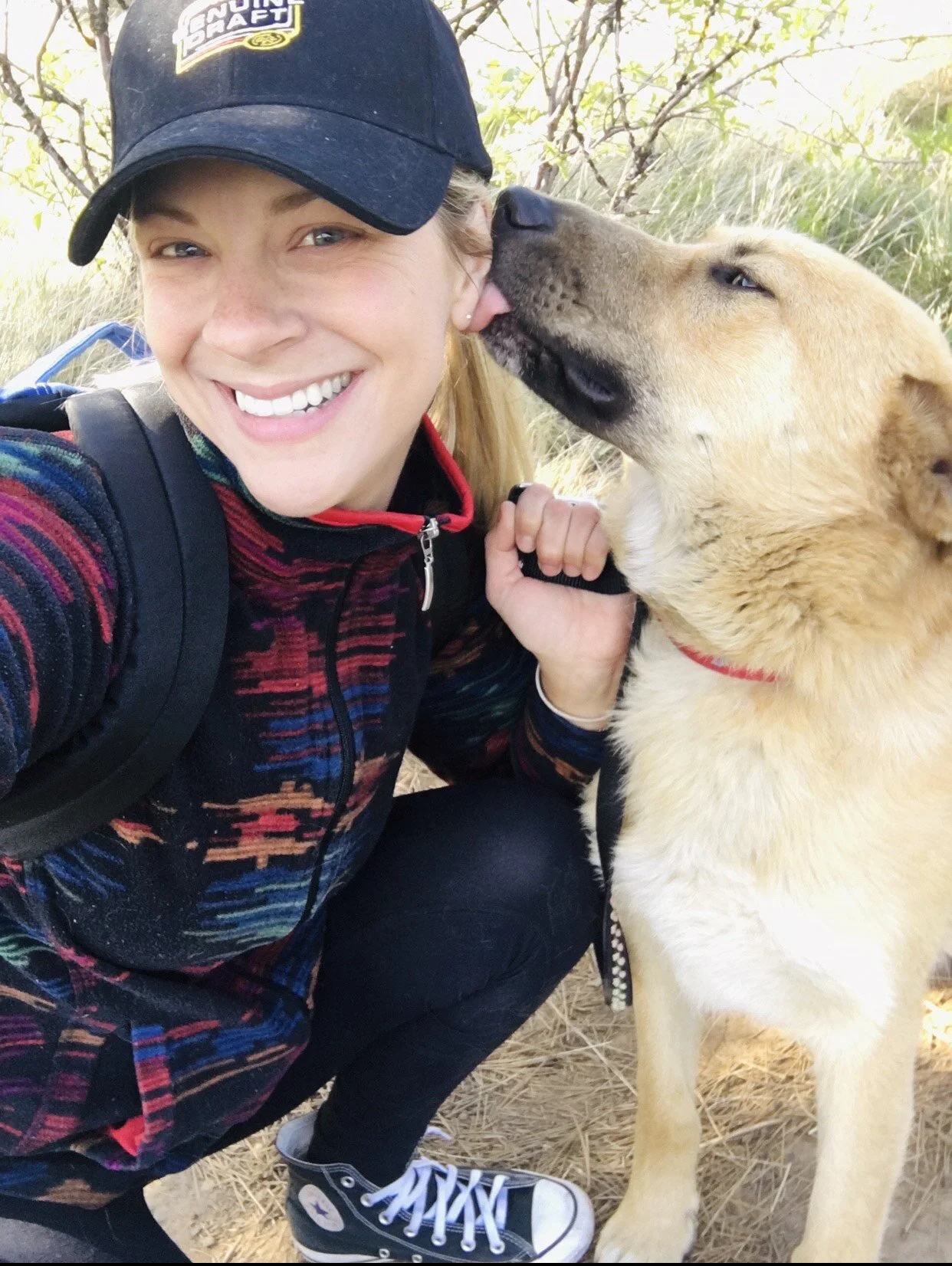


Living with LQTS has increased my awareness for daily gratitude. As life proves unpredictable, I believe it is essential for us all to recognize the beauty in daily activities, habits, and happenings. With a thankful mindset, I aspire to encourage hope, motivation and gratitude in my practice, while promoting occupational justice across all populations.
In December 2019, I earned my Masters degree in Occupational Therapy. Today, I am working as a full-time occupational therapist with focus on traumatic brain injury, neurological rehabilitation and promoting occupational justice. In my spare time, I enjoy my continued yoga practice, along with getting out in nature, calling friends and advocating for social equity.
I will let you know, it was difficult for me to write my story above, as I felt rather vain and conceited (similar to writing a cover letter for a resume or job application!). However, I know sharing our collective patient stories is vital for increasing the awareness of Sudden Arrhythmia Death Syndromes (SADS).
More than anything, I want to demonstrate our minds - and not our physical bodies - are our main sources of limitation, and anything is possible!
For more Shared Stories, click here.
At LQT Therapeutics our mission is to relentlessly pursue precision therapies to treat Long QT Syndrome, allowing people to live their best lives. Without limits.
Discover how we are doing this.

Marjaan Barbano, LQTS Type 5
When Marjaan was finally diagnosed with Long QT Syndrome Type 5 in 2019, she was very relieved. For all these years, she knew something wasn’t right. Finally, it was a relief to have an answer, and in reading about Long QT Syndrome, she found it described all her symptoms.
We are now Thryv.
LQT Therapeutics Inc. has changed its name to Thryv Therapeutics Inc.
Early in the morning of October 1, 2019, Marjaan Barbano was awakened by her dog, Moose, so she got up and comforted him with a little rub on the belly. She remembers blowing her nose and returning to bed to continue her sleep. Then, the next thing she remembers is a bunch of unknown attendants trying to get her body to cooperate with a wheelchair at her local Emergency Room.

Her husband, Andrew, had been awakened by gasping, choking noises coming from Marjaan. Immediately recognizing something was wrong, he turned on the lights and struggled to get her to come to. After a couple of frantic minutes, he was able to get enough responsiveness from Marjaan to get her laid out in the back seat of his car and drive her to the Emergency Room less than five minutes away from their home.
Marjaan had suffered an asystole cardiac arrest and had endured a flatlined heart rate for two minutes, an occurrence with an approximate one percent survival rate. She had beaten the odds, but her early-term pregnancy, the couple’s first, had tragically ended with a miscarriage.
“Ever since I was little, I have fainted one or twice a year, and it’s even happened when I was swimming underwater. My entire life, it seems I have fainted all the time, and I’ve seen many different doctors over the years,” Marjaan recalls. “Through them all though, there were just ideas that I was overly sensitive, or that I had a very strong vasovagal syncope response.”
In 2018, while Marjaan was finishing her final year of college, she experienced what she recalls as “crazy” heart palpitations, eventually seeking treatment at the Emergency Room. During that consultation, the ER doctor asked her if she or anyone in her family had been diagnosed with Long QT Syndrome, or if anyone in her extended family had died suddenly and unexpectedly. Despite her answers to the negative, he referred her to a cardiologist.
At her cardiologist appointment, they talked about Long QT Syndrome, but based on her family history, did not initiate any immediate tests. However, in just a couple weeks time, fate intervened.
A cousin of Marjaan’s mother is an airline pilot, and during his annual physical an abnormal EKG showed he had an extremely long QTc interval. So high in fact, he immediately had Left Cardiac Sympathetic Denervation (LCSD) surgery done at the Mayo Clinic, before the results of his Long QT Syndrome test had been returned. Due to the findings, Marjaan’s test was prioritized and rushed, returning with a positive Long QT Syndrome Type 5 diagnosis. After Marjaan’s diagnosis, her entire family was tested, with over half coming back positive for Long QT Syndrome.

Out with Loop Recorder, in with Pacemaker. January 2020
“When I was finally diagnosed,” Marjaan recalls, “I was actually very relieved. For all these years, I just knew something wasn’t right. Finally, it was a relief to have an answer, and in reading about Long QT Syndrome, I found that it describes all of my symptoms!”
Upon her diagnosis in April 2019, Marjaan began a daily dose of beta blockers and had an implantable loop recorder inserted just below the skin on her chest. It was that loop recorder that recorded her October cardiac arrest and the two full minutes of flatlined heart rate.
“After my cardiac arrest, I was admitted to the hospital for five days, during which I had my loop recorder removed and replaced with an implanted pacemaker. I also had low potassium levels, so I started taking prescription potassium to go along with my daily doses of beta blockers,” Marjaan says.
“I was pregnant when I suffered the cardiac arrest, and we went through a miscarriage. Then, in recovering from the cardiac arrest, we went through yet another miscarriage. I’m pregnant once again, with a boy due on Christmas Day, and since there are so few LQTS Type 5 patients, much less pregnant LQTS Type 5 patients, my doctors and I are kind of making it up as it goes.”

“For me, it’s been helpful to find other people who have Long QT Syndrome, as well as those patients who have suffered through cardiac arrests. It’s so difficult to find others who have Type 5, and difficult too to find pregnant patients, so I’m hopeful by sharing my story I can become a resource for those who don’t have such a common type of LQTS or those who have other extenuating circumstances.”
Awaiting the newest member of their family, Marjaan works in radiology scheduling at a large hospital system in Phoenix, Arizona, while Andrew finishes his final year of graduate school on his way to a career as a Physician Assistant. Marjaan, too, has her sights set on an expanded career in health care.
“Prior to being diagnosed with Long QT Syndrome, I had taken the MCAT (Medical College Admission Test) exam and applied to medical school, with aspirations to study allergies and immunology. Then, LQTS intervened, and I don't think medical school will work. Now, however, I’m planning on getting a masters degree in genetic counseling - it’s something I have a great personal interest in.”
At LQT Therapeutics our mission is to relentlessly pursue precision therapies to treat Long QT Syndrome, allowing people to live their best lives. Without limits.
Discover how we are doing this.

Sarah Michaelis-Heidman
Sarah Michaelis-Heidman is a 25-year old from Barrie, Ontario, who was diagnosed with Long QT Syndrome in 2019. A three-time cardiac arrest survivor, Sarah has an implantable cardioverter-defibrillator (ICD) to correct her life-threatening cardiac arrhythmias.
We are now Thryv.
LQT Therapeutics Inc. has changed its name to Thryv Therapeutics Inc.

Sarah Michaelis-Heidman is a 25-year old from Barrie, Ontario, who was diagnosed with Long QT Syndrome in 2019. A three-time cardiac arrest survivor, Sarah has an implantable cardioverter-defibrillator (ICD) to correct her life-threatening cardiac arrhythmias.
Sarah regularly chronicles her health and its emotional impacts on her and her family through Instagram.
For this patient journey profile, Sarah recently took the time to share her story of living with Long QT Syndrome.
When were you diagnosed with Long QT Syndrome, and how did your diagnosis come about?
Sarah: I’ve had chronic cardiac issues, and when I had a third cardiac ablation for inappropriate sinus tachycardia, it led to bradycardia and the treatment called for the implantation of a dual chamber pacemaker.
While in pre-op for that routine procedure to install the pacemaker on December 17, 2019, I endured three cardiac arrests. After being discharged, my cardiologist contacted a genetic counselor, and together we decided to test for Long QT Syndrome. My diagnosis was received later in December.
I have other cardiac issues; my resting heart rate was always above 100 bpm resting, so I’m assuming I only had a mildly prolonged QTC interval previously. Now it’s very prolonged while my ICD is pacing me at 80 bpm for my lowest heart rate.
When you were diagnosed, had you heard of Long QT Syndrome before? What were your initial reactions, and how did you feel upon receiving the news?
I had heard about Long QT Syndrome before I got sick with POTS (Postural Orthostatic Tachycardia Syndrome), as I wanted to be a cardiologist. My initial reaction to receiving the news was being scared and shocked, and I thought I would never have a normal life. I felt hopeless.
When did you receive your ICD, and how has that changed your life?
On the day of my cardiac arrests, my electrophysiologist decided it was safer to switch from dual chamber pacemaker to ICD.
What does a typical day look like for you, and what’s your daily regimen as you manage your condition? How do you take care of yourself and move forward?
The first thing I do is take all my medications, all 14 pills, including Bisoprolol for my LQTS. Then, I make breakfast for myself, and begin my daily routine of hydrating myself by drinking lots of water and Gatorade. Later, I look to accomplish up to a 6km walk/run, or a 6km bike ride outdoors. Then, of course, it’s back to rehydration, eating lunch and doing some strength exercises.
I enjoy reading and practicing yoga, and after making dinner each night I like to relax by watching some of my favourite shows.
Before bed, I take my nighttime medications, 18 pills in all. I try to be in bed by 10:00 pm and get at least 10 hours of sleep a night.
If I'm having a bad day mentally, I force myself to exercise, and if that doesn't help, I call my counsellor for extra help.
You’ve had three instances of cardiac arrest, and are quite open about them on social media, educating your followers on the difference between cardiac arrest and heart attacks. What do you most want readers to know about cardiac arrest?
Cardiac arrests can happen to anyone, even those under the supervision of cardiologists. Mine went undetected. Mine could also have been prevented as I have always had a mildly prolonged QTC interval, but my high resting heart rate would hide my Long QT Syndrome.
What are the things in life that give you the greatest pleasure? Where do your passions lie?
My passion in life would have to be being an advocate for people who unfortunately cannot be here to tell their story. Additionally, I love the outdoors, spending time with family, exercising, and just enjoying life.

What insights would you share with other people newly diagnosed with Long QT Syndrome and their caregivers?
What helped me the most right after everything, was getting help mentally. I developed PTSD from the whole eventful day, and I reached out and got help. Starting cardiac rehab helped a lot, and having family helping with my bad days has helped me tremendously.
As you continue to share your story, what messages do you most want to convey to your personal and online communities?
I want people to know that they are not alone. Reach out to people you see on social media who decide to tell their story, and ask them questions you might have. I'm always happy to answer questions that can help them cope with this condition. I find researching helps me a lot to learn.
At LQT Therapeutics our mission is to relentlessly pursue precision therapies to treat Long QT Syndrome, allowing people to live their best lives. Without limits.
Discover how we are doing this.

Dave Hutton and his Long Cutie, Isla
Dave Hutton is a school teacher by profession, and a Long QT Syndrome caregiver by devotion. Upon his daughter Isla’s diagnosis with Long QT Syndrome Type 3 in 2016, Dave left teaching to be the full-time caregiver to his little girl.
It is with a broken heart that we share the news of Isla Hutton’s passing.
On October 8, 2022, Isla passed away surrounded by her family and loved ones. She bravely faced so many challenges with her joyful smile and insatiable curiosity. At six years old, she now has her wings and continues to shine with a bright glow that touches us all. Isla is at the heart of our Thryv family. It is her curiosity, bravery and smile that inspire us, and push us forward so we can help other children who simply deserve more. #ForIsla
The following is the original Shared Story by Dave, Isla’s dad, written in July 2020. To read an article about Dave and little Isla in the Manchester Evening News, January 15, 2023, click here.

Dave Hutton is a school teacher by profession, and a Long QT Syndrome caregiver by devotion. Upon his daughter Isla’s diagnosis with Long QT Syndrome Type 3 in 2016, Dave left teaching to be the full-time caregiver to his little girl.
Dave chronicles the journey he and his daughter are undertaking with The Long Cutie blog and The Long Cutie Instagram page.
Recently Dave took the time to visit with Thryv Therapeutics to share more of his daughter’s story.
How was Isla diagnosed with Long QT Syndrome, and what was your initial reaction?
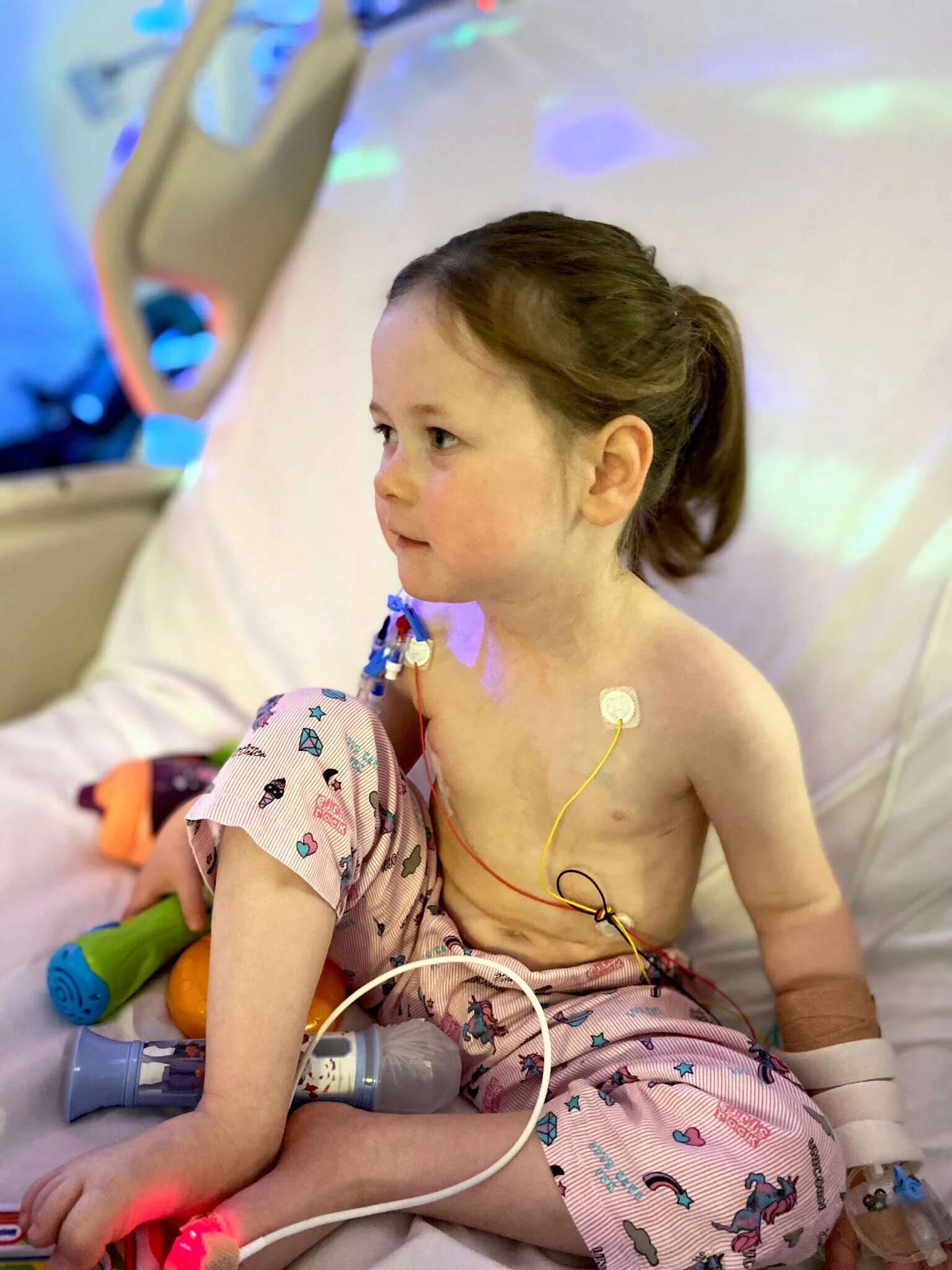
Dave Hutton: When Isla was born, she was on a huge cocktail of medications because all we knew was that she was in complete heart block and in near constant arrhythmia, which we now know was Torsades (Torsades de pointe). It was a regional cardiologist who saw Isla’s rhythm and suspected she had Long QT Syndrome, and put a stop to all the medications. As he didn’t know what type she was, she was fitted with a pediatric pacemaker so she could safely start beta blockers. It wasn’t until her genetics came back that she was officially diagnosed with Long QT Type 3.
How many surgeries has Isla endured, and how do the two of you, individually, work through those processes?
It has been a very rocky road and a steep learning curve. I think the cardiac community as a whole has learnt a lot about Long QT Syndrome in the last four years, so when Isla was born a lot of mistakes were made. For example, Isla spent her first three months in Intensive Care, on a number of drugs which are on the no-go list for Long QT (as per CredibleMeds). Some were no doubt necessary given her delicate condition, however, drugs like Chloral were given to keep her calm, so looking back it is of little wonder she has had so many episodes of Torsades.
The journey to get her on the correct medication, and the right dose of medication, for her, was also a challenge. I was very lucky to find a lady in America via a Google search on Long QT, whose daughter was diagnosed with Long QT Syndrome. I managed to find her on Facebook and she put me in contact with their doctor in Cincinnati. Dr. Knilans advised Isla’s doctors and got us on the right path, medication wise. However, Isla still had problems as even on the ‘maximum’ dose of Mexiletine she wasn’t achieving a therapeutic serum level to keep her safe. It was ‘in range,’ but not high enough to control her rhythm. I still have my emails to Dr. Ackerman (Dr. Michael J. Ackerman, MD, PhD, and a member of Thryv Therapeutics’ Scientific Advisory Board) as a desperate parent, ‘Subject: LQTS3 7 week old baby in UK.’ I have no doubt at all that without his reply and advice Isla would not be here. It took a brave cardiologist and dose of Mexiletine way above the recommended guidelines to achieve control and actually see Isla’s ECG for the first time.
It was January 25, 2018 that things really changed for Isla when she had a cardiac arrest at home. Although we had a defibrillator, Isla’s heart stopped before we had chance to deliver a shock. I performed CPR and thank God she responded and came back to us. It was at this point that her team decided to transfer her care to a team specialised in Inherited Cardio-Vascular Diseases, and she was fitted with her ICD. Since it has been fitted, she has had 16 life saving shocks, although six of those were during a bout of flu. In February 2020, she had Left Cardiac Sympathetic Denervation (LCSD), and then the sympathectomy was completed in May when they removed the Sympathetic nerves on her right side.
Isla is subject to repeated seizures; describe how they present themselves, as well as the short- and medium-term impacts on you both.
Isla has had countless seizures since eight months old, the time her NJ tube (nasojejunal tube) was removed and Mexiletine was being absorbed by her stomach for the first time. She would range from having subtle eye-twitching seizures to full blown tonic-clonic seizures. She could have up to 20 seizures a day. We knew that Mexiletine was causing the seizures, but it was a case where we were between a rock and a hard place; seizures or cardiac arrests. Since upgrading her pacemaker to a more sophisticated ICD and pacing system, we have been able to safely reduce her Mexiletine to non-toxic levels. The seizures were really life-limiting for us as a family. They are not only scary to deal with, but we felt we couldn’t really leave the house in case she had one.
She still does have seizures due to her Torsades, which present differently to her neurological seizures. Her seizures are now tonic seizures where her body and limbs become suddenly stiff. They are only short seizures, but probably more scary since we know it means she is having an arrhythmia.

What’s a typical day for Isla, and how do you manage her condition along the way?
Isla is beginning to live a ‘normal’ life. She does have to have different medications four times a day, which she takes so well, including in her sleep at midnight. Now she has her ICD, we don’t worry as much as we know that it will intervene for us if she goes into cardiac arrest. That doesn’t mean we don’t take our eyes off her for a second because we know just how delicate her condition is. She started nursery this year and loves it; it is great for her to have such a busy, interactive environment to thrive in. She is due to start school in September (Kindergarten) which is exciting too!
Isla has many autisic traits but lives a happy, fun-filled life. She has global developmental delay which is partially due to her prolonged hospitalisation and her high levels of medication. Her consultant is adamant that her behaviours are the result of high levels of sodium channel blockers and the neurological impact of Mexiletine, and if she wasn’t on Mexiletine she would be a different child. Unfortunately, at the moment Mexiletine is the only medication that works for her and keeps her alive. She still has a great quality of life and we are grateful for Mexiletine, but if Thryv Therapeutics can create a more effective, targeted compound, it would be appreciated! ;)
On your blog, you’ve been open about the psychological impacts of Isla’s health on you personally - How do you cope, where do you find solace, and what advice would you provide other parents?
Being a parent is an amazing blessing, however, being a parent in general causes around 1,000 grey hairs! Every parent worries about their child. Parents of children with complex conditions worry more than most and deal with situations and pressures that no parent should. I have talked to psychologists as part of the care team around Isla in hospital, which really helped at the time and helped me process a lot of my feelings and fears. I think the most important thing anyone can do for their mental health is find someone to talk to. It doesn’t have to be a psychologist, just someone who will listen and not judge you as you verbalise the things that you’re feeling and going through. I actually find writing my blog is my best therapy as it really helps me find solace and organise my thoughts. This might not work for everyone and I’m sure there isn’t a one-fits-all solution to coping, but the important thing is to not go through it on your own.
What are Isla’s most favorite things to do? What brings her the most joy?

Isla loves life. She can find joy in anything and everything. She really enjoys sensory experiences and I am slowly turning my house into what seems like a playground! She has two indoor swings and one outdoor one, a whizzy dizzy she can spin around on, a trampoline and I’ve just bought an indoor climbing frame! She also loves swimming … but I don’t have the room or money to build an indoor swimming pool!
Isla loves spinning things (we have lots of spinning tops) and any toy made by V-Tech *other toy makers are available* which makes lots of noise. When she goes to nursery, I have to press the buttons on her toys as the house seems too quiet!
As you continue to spread the story of Isla and your collective journeys, what messages do you most want to convey to your readers?
The one thing that is important to share is to be kind to yourself and talk to the right people. There are a lot of people out there who may try to give you advice, criticise what you say or do; but only you know your life and situation, so it is important to trust your gut and do what you think is right. It is great to talk to others and through doing this blog I have met and talked to so many great people who have reached out and shared their experiences. It is so good to know that you’re not going through things alone and others can empathise, even if they can’t fully understand what you’re going through.
To read an article about Dave and little Isla in the Manchester Evening News, January 15, 2023, click here.
At Thryv Therapeutics our mission is to relentlessly pursue precision therapies to treat Long QT Syndrome, allowing people to live their best lives. Without limits.
Discover how we are doing this.

Alexander Thomas & Family
Alexander Thomas is a 17 year-old dance prodigy born in South Florida. Alexander also has Long QT Syndrome, a condition shared by his mother, Palmire, and his brother, Adrien. This is their journey, shared with the LQTS community.
We are now Thryv.
LQT Therapeutics Inc. has changed its name to Thryv Therapeutics Inc.

Alexander Thomas is a 17 year-old dance prodigy born in South Florida to parents of Haitian descent. At age three, noticing Alexander’s natural affinity for dance, his mother, Palmire, enrolled him in the That’s Dancing studio in Lake Worth, Florida, where he has been dancing for the past 14 years. At age nine, Alexander joined the Fusion Force Dance company, and his career has continued to blossom, including performing during the 2020 Super Bowl LIV Halftime Show and being profiled in Nike’s 2020 Black History Month video, Common Thread: Alex & Ingrid.
Alexander Thomas also has Long QT Syndrome, a condition shared in his family by both his mother, Palmire, and his brother, Adrien.
The three of them recently took the time to share their experiences and further connect with the LQTS community.
When and how were the three of you diagnosed with Long QT Syndrome? What led to the initial diagnosis?
Palmire: “In 2013 I went in for my annual physical. My doctor decided to do an EKG just to have a baseline, given that my mother had an extensive cardiac history. Upon looking at my EKG, he immediately said something was wrong and sent me to see a cardiologist. After a series of tests, my cardiologist said my EKG showed I had Long QT Syndrome. In turn, he referred me to see an electrophysiologist, where I underwent hours of diagnostic testing and genetic testing.
“Three months later I was called and told it was confirmed I have Long QT Syndrome. I was devastated.
“Shortly after, I was told my children needed to be tested. My three children, Gabriela, Alexander and Adrien - at the time aged 4, 10 and 14 - were tested. Two months later I was called and told the boys were positive, but my daughter was not.
“I literally felt like our life was over.
“I was told repeatedly that Long QT Syndrome was a rare disorder, and after we were sent to see genetic counselors, the boys and I were placed on a beta blocker. Additionally, I was scheduled for a defibrillator, which was implanted internally in 2013. Adrien and Alexander obtained portable defibrillators to carry everywhere they go.
“I had to hold meetings with their schools to ensure they had enough defibrillators, and that the teachers and staff were sent for training to know how to use the device as well as learn CPR. Alex, of course, was a dancer, and Adrien played soccer on a travel team. Our doctors wanted the boys to give up both. Adrien was older and read a lot about Long QT and decided himself to stop playing soccer. Alex refused to give up dancing. He stated this was his dream. I met with his dance studio and explained Alex’s situation, and they immediately ordered a portable defibrillator and sent their teachers for CPR training as well.”
How did being diagnosed impact you individually? How did you feel, and what were the emotions you experienced? How has it changed over the past seven years since your initial diagnosis?
Palmire: “When I was first diagnosed, I was 34 years old, and I had no symptoms. When I received my diagnosis, I literally felt my whole life was over. I had never heard of this disorder. Actually, no one in my family or circle of friends had. I was afraid to die, and I cried every night in fear of falling asleep. My husband was very positive. He supported me through all my sleepless nights.
“When I was told I needed to get a defibrillator placed, I was beyond upset, and I refused at first. My cardiologist literally insisted. He and my electrophysiologist both insisted. It was for my safety and to protect me and save my life.
“Two months later the boys were diagnosed. I felt responsible as they inherited this from me. My family was asked to get tested - my parents, siblings and first cousins - and they all refused. I put a baby monitor in the boy’s rooms and would check on them constantly in the middle of the night. I was paranoid, not only afraid of me dying, but my boys as well. I felt like I stopped living.
“The boys’ cardiologist was amazing. He provided me with his cell phone number and told me I could call anytime. Seven years later, I'm still super nervous. Adrien is now away at college. We must communicate verbally and we Facetime every single day. We never skip any doctor appointments. Alex, with every one of his dance shows and competitions, my heart races, and I literally feel like I can't breathe - I get so emotional praying nothing happens to him on that stage.
“Seven years later, I am a lot more positive and optimistic. Seeing how far the boys and I have come has made me realize I no longer live so much in fear.”
Alex: “My emotions were down. I didn’t know what to think at such a young age that something like this could happen to me. I didn’t know what to do. I was scared for my life, that I wouldn’t be able to dance again, the one thing that took me away from doing bad things. Over the past seven years, it has gotten slowly worse, but every day my knowledge of this condition has increased immensely. Through it all, I have worked on bettering myself as a person and as an individual.”
Adrien: “The diagnosis impacted me greatly. My mental health was not in the best state, and I did end up seeking therapy related to it. I can proudly say that it has given me a new outlook on life that I didn’t have before. I am in a much better place now. At first, I experienced a wide range of emotions like confusion, fear and anger. I didn’t understand what was going on because I was so young. As I got older, things became a lot easier to understand. I have also been in college for a few years now, taking some medical classes, and they have helped me to understand more about the structure and function of the heart. If anything, it has increased my interest in the medical field. I feel like now I am in a much better position to help others who may be going through similar issues.”
How did receiving a diagnosis of Long QT Syndrome change your lives?
Palmire: “Together, the boys and I can no longer take any over-the-counter medications for common colds, and we can’t take just any antibiotics when we have an infection. Also, like with schools and Alex’s dance academy, we must constantly educate people of our condition everywhere we go.
“The boys each wear a medical alert bracelet, and we take our beta blocker medication every day. Also, we must stay hydrated - it’s not an option.
“Of course, we cannot miss any of our doctor appointments, and I have to get my defibrillator interrogated every three months. And, when we go on vacation, we always take out travel insurance.”
Alexander: “My life has changed indefinitely because I have to take extra precautions in everything I do. My life has never been the same, even after seven years have passed. I monitor my heart rate with every activity I do, and constantly stay hydrated. It’s definitely a huge change, but I learned to grow into this new normalcy.”
Adrien: “The diagnosis has changed my life completely. It hasn’t been - and never will be - the same. I have multiple doctors that I have to go to frequently, and I have to be careful which medications I take. I have to monitor my heart rate when playing sports, and I have medication I am required to take every morning to help with the condition.”
Since your diagnoses in 2013, how have you changed the management of your condition over the past seven years?
Alexander: “Every day I strive to drink half of my body weight in fluid ounces to ensure I'm always hydrated. I take a beta blocker every morning which controls my heart rate. I also have two portable defibrillators I take with me everywhere I go. I see both an electrophysiologist and a cardiologist once a year.”
Palmire: “I walk daily, although I’m afraid to get on a treadmill. I am not as physically active as I used to be.”
Adrien: “Over the years, I have gotten into exercising a lot more and making sure I am eating healthy and paying attention to what I am putting in my body. I have learned that I have to keep my body at the top of its game so I can stay my healthiest. That is all that I really can do.”
Alexander, you’ve become renowned as a dancer. When did you develop your passion for dance, and how did being diagnosed with LQTS at age ten affect you, at the time, as you thought about your dancing dreams?
Alexander: “I developed my passion for dance when I was three years old, but ever since I was diagnosed it changed every opportunity for me. It was hard to do certain things, like dance for long hours and have enough stamina, and for a brief period I thought I couldn’t do this anymore.
“However, I didn’t want this condition to stop me from being happy and finding my escape. I took it as a boost to create a path for myself to not only help others but create an outlet for awareness for people just like me.”
What messages would you like to convey to others newly diagnosed with LQTS, particularly young children?
Adrien: “It is tough. It’s not an easy road to walk down, but it can be done. It is possible to manage it and still live your life. You will just have to be smarter about the choices you make.“
Palmire: ”Don’t allow fear to take over. There are medications and devices out there to help you when it gets to that point. Don't give up on any of your dreams; things do get better.”
Alexander: “Keep living life. Even though you have to make many changes, you have one life to live and make the best of what you have. Don’t take this as a negative, take this as a step forward in your life.”