
Thryv Therapeutics
SHARED STORIES & BLOG

2025 Year End Report
2025 was a year defined not by stillness, but by motion. In a challenging biotech environment, Thryv Therapeutics continued to move forward – advancing our science, strengthening our organization, and staying focused on what matters most: delivering meaningful innovation for patients.
Montreal, Quebec – December 23, 2025
2025 was a year defined not by stillness, but by motion. In a challenging biotech environment, Thryv Therapeutics continued to move forward – advancing our science, strengthening our organization, and staying focused on what matters most: delivering meaningful innovation for patients.
Over the past year, we strengthened our leadership team, deepened our engagement with the patient and advocacy communities, and continued to build the clinical, operational, and scientific foundation required to support Phase 2/3 development. Importantly, we also expanded how we listen to patients – recognizing that meaningful innovation depends on understanding not only clinical endpoints, but on lived experience.
Entering 2026, we are moving forward with clarity and focus, guided by the same commitment that carried us through the year.
We are deeply grateful to our employees, advisors, partners, investors, and the patients and families who inspire our work every day. Thank you for continuing this journey with us.
2025 Highlights
Operationalized our Phase 2/3 registration study for THRV-1268 for people with Long QT Syndrome enabling readiness to begin enrollment in the new year.
Completed our phase 1B study for THRV-1268 in obese participants that demonstrated predictable PK and reductions in QT interval confirming target engagement; supporting potential clinical benefit in heart failure and LQTS.
Launched myQTwave, a first-of-its-kind, fully remote, non-interventional study in Long QT Syndrome, enrolling up to 50 participants in our first wave of recruitment.
Strengthened leadership and organizational capabilities to support growth.
Continued collaboration with patient advocacy organizations, including the SADS Foundation.
Shared scientific progress at leading cardiovascular conferences.
Pipeline Progress: THRV-1268
THRV-1268 is a novel, highly selective inhibitor of serum- and glucocorticoid-regulated kinase 1 (SGK1) being developed for the treatment of inherited cardiac arrhythmias, including Long QT Syndrome (LQTS), with broader applicability across cardiometabolic and cardiomyopathic disorders. By targeting SGK1, a central regulator of cardiac ion channel activity, cellular stress responses, and maladaptive remodeling, THRV-1268 is designed to address the underlying electrophysiologic and structural drivers of disease, rather than symptom control alone.
In 2025, Thryv advanced the program by building on robust Phase 1 clinical experience, integrating safety, pharmacokinetic, and pharmacodynamic data to inform Phase 2/3 trial design, dose selection, and patient-focused efficacy endpoints. These efforts enabled refinement of exposure–response relationships and reinforced confidence in target engagement in people with metabolic stress - obesity. Our development strategy remains grounded in a strong mechanistic and translational framework, linking SGK1 inhibition to clinically meaningful improvements in repolarization biology and disease severity, while maintaining a favorable safety profile.
Preparing for Phase 2/3 Development
Throughout the year, Thryv focused on activities critical to later-stage development, including obtaining regulatory clarity, protocol refinement, and opening two INDs (for LQTS and HF). We value continued input from a widened group of clinical and scientific advisors. These efforts position the company for efficient and rigorous execution in upcoming studies.
Elevating the Patient Voice: myQTwave
In 2025, Thryv advanced myQTwave from concept into execution, beginning with a pilot study and expanding enrollment to include more individuals living with Long QT Syndrome Types 2 and 3.
Conducted in collaboration with Dr. Samuel F. Sears Jr. and his team at East Carolina University (ECU), myQTwave is a fully remote, observational study for adults with LQT2 and LQT3. Using digital health tools such as iPhone and Apple Watch, the study captures patient-centered insights beyond traditional clinical metrics – such as ECG findings and cardiac events – to better understand how LQTS shapes daily decisions, quality of life, and emotional well-being. Insights from myQTwave will help inform future research and development.
Advocacy & Community Engagement
Patient and clinician engagement remained central to Thryv’s work in 2025. We deepened our collaboration with the SADS Foundation through patient-focused and electrophysiology (EP)-focused educational webinars, supporting awareness and dialogue around inherited arrhythmias.
Leadership & Team Growth
In 2025, Thryv continued to strengthen its leadership and operational teams to support the next phase of clinical and corporate development.
This included the appointment of Matt Killeen, PhD, as Chief Business Officer, bringing deep experience across cardiovascular and genetic diseases, business development, and portfolio strategy. Matt plays a key role in shaping Thryv’s corporate strategy and advancing THRV-1268 toward later-stage development.
We also welcomed Dinesh Srinivasan (Vice President, Strategic Portfolio Management), Ashley Prasse Miller (Vice President, Clinical Operations), Alicia Schiavi (Associate Director, Clinical Operations), and Philippe Beauclair (Postdoctoral Researcher, Chemistry), further strengthening our capabilities across clinical development, operations, and portfolio execution.
Scientific & Industry Engagement
In 2025, Thryv shared scientific progress at leading cardiovascular conferences, highlighting the growing body of evidence supporting SGK1 inhibition across cardiac disease.
At the American Heart Association (AHA) Scientific Sessions and European Society of Cardiology (ESC) Congress, Thryv presented preclinical data demonstrating that THRV-1268, a potent and selective SGK1 inhibitor, improved adverse cardiac remodeling in a transaortic constriction (TAC) heart failure model. These findings showed superior or complementary effects compared with Jardiance (empagliflozin) – an SGLT2 inhibitor used as part of guideline-directed medical therapy – both as monotherapy and in combination, strengthening the scientific rationale for SGK1 inhibition as a strategy to address inflammation- and fibrosis-driven cardiac remodeling.
At Heart Rhythm Society (HRS) 2025, Thryv presented new clinical data from the Wave I, Part 2 study demonstrating the effects of QT shortening with SGK1 inhibition treatment in patients with Long QT Syndrome Types 2 and 3.
Looking Ahead
The launch of myQTwave comes as Thryv advances multiple IND programs. The company has recently opened multiple INDs and is preparing to launch Wave II, a Phase 2/3, registration-directed clinical study in patients with Long QT Syndrome, anticipated to begin in early 2026.
In parallel, Thryv continues to expand the translational and clinical foundation of its SGK1 platform. Recent Phase 1 results in obese individuals further strengthened confidence in the program and informed ongoing development plans. Thryv is also advancing the Aspire Study program, a clinical initiative designed to further evaluate the role of SGK1 inhibition across cardiometabolic disease, including heart failure.
Together, these efforts underscore the continued advancement of THRV-1268 across multiple indications, as illustrated in the pipeline below.
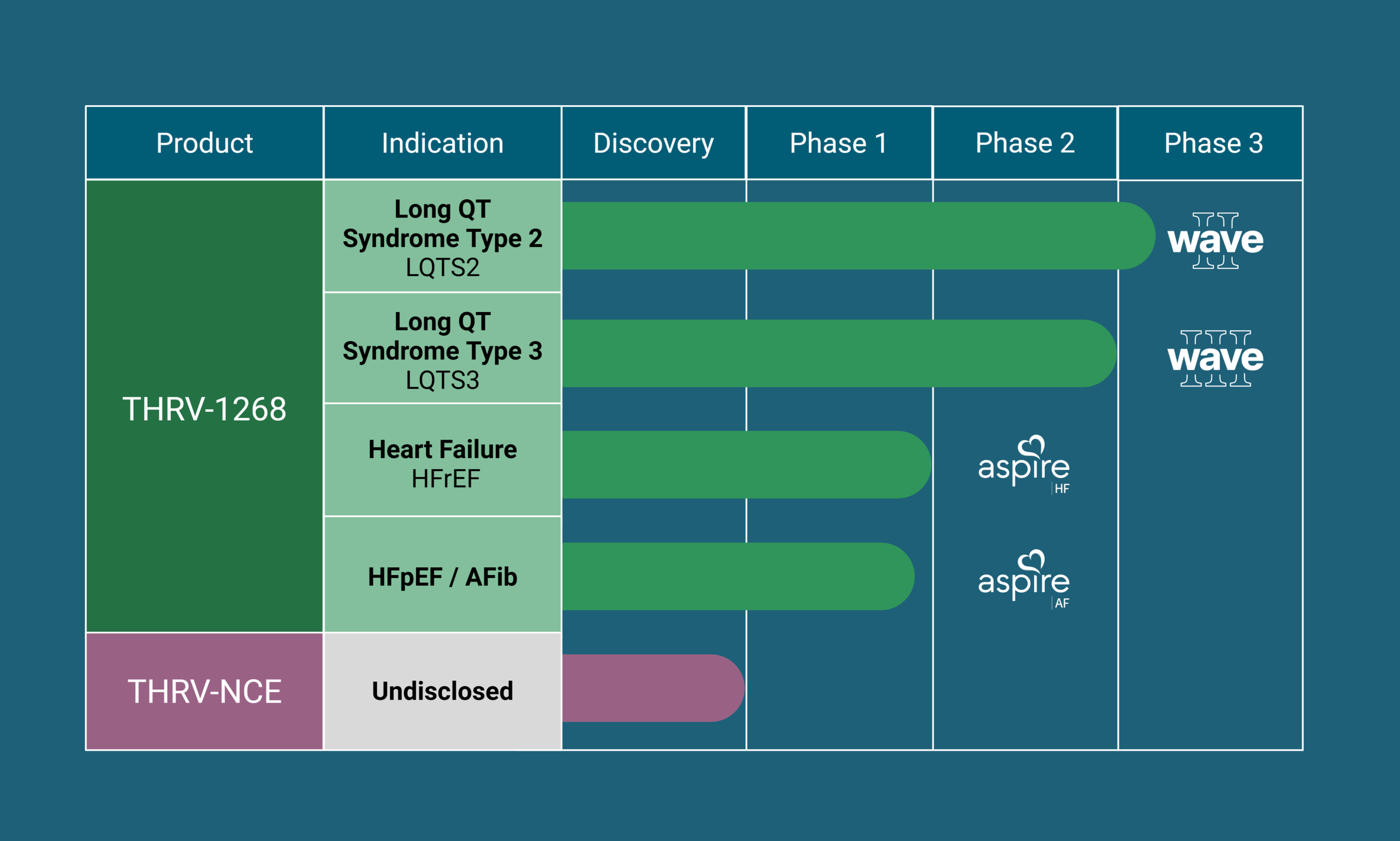
Overview of the company’s current development pipeline. Pipeline status is current as of December 2025.
Wishing all our supporters, patients, and families a healthy and happy new year!
Sincerely, Debra Odink
President & Chief Development Officer

2024 Year End Report
As the year comes to a close, Thryv Therapeutics reflects on a transformative 2024 – a year defined by significant strides in advancing innovative therapies for people with unmet medical needs.
Montreal, Quebec – December 23, 2024
As the year comes to a close, Thryv Therapeutics reflects on a transformative 2024 – a year defined by significant strides in advancing innovative therapies for people with unmet medical needs. From groundbreaking clinical milestones to impactful scientific contributions and collaborative partnerships, we are proud of the progress our team has made in addressing complex cardiovascular diseases such as Long QT Syndrome, heart failure, and atrial fibrillation. Our commitment to scientific excellence and improving patients’ lives has not only driven innovation but also set the stage for even greater accomplishments in the year ahead.
New Chief Medical Officer
Thryv Therapeutics proudly welcomed esteemed executive, Amy Sehnert, MD, as our new Chief Medical Officer in November 2024, marking a pivotal step in advancing our cardiometabolic product portfolio targeting SGK1. Dr. Sehnert, a pediatric cardiologist with expertise spanning genomics, cardiology, oncology, and maternal-fetal health, brings over 20 years of leadership experience in precision diagnostics and therapeutics. At MyoKardia, she played a key role in developing the FDA-approved Camzyos®, contributing to its $14 billion acquisition by Bristol Myers Squibb, where she subsequently led global cardiovascular programs.
Long QT Syndrome Program
2024 was a landmark year for our Long QT Syndrome (LQTS) program, with important advancements in both preclinical and clinical research. In September, the FDA granted Orphan Drug Designation (ODD) to LQT-1213 for the treatment of congenital LQTS, an important regulatory step for our LQTS program. We received positive topline results from our Wave I Part 2 clinical study, which demonstrated statistically significant reductions in QTc intervals in patients with congenital LQTS Types 2 and 3, paving the way for the pursuit of pivotal studies for LQT-1213 in LQTS Types 2 and 3 in 2025. We extend our gratitude to the SADS Foundation, the University of Rochester, Mayo Clinic, Stanford University and Massachusetts General Hospital and their investigators for their pivotal role in recruitment and to the patients for their participation. Full data from the Wave I Part 2 clinical study will be presented at a scientific conference in 2025.
2024 was also an impressive year for scientific presentations in the field of LQTS at major cardiology conferences. In March, we presented clinical results from our Wave I Part 1 study demonstrating LQT-1213 promotes significant reductions in QTc prolongation in a dofetilide-induced human model of LQTS, at the 2024 American College of Cardiology (ACC) Annual Meeting, and in May, we presented preclinical data demonstrating the attenuation of drug-induced QT-prolongation with our SGK1 inhibitors at the 2024 Heart Rhythm Society (HRS) Conference. In November, the results of preclinical research carried out by members of the European Joint Programme on Rare Diseases, demonstrating that our SGK1 inhibitor shortens action potential in LQT3 and LQT2 via inhibition of the late sodium current were presented at the 2024 the American Heart Association (AHA) Annual Scientific Sessions and won the prestigious 2024 AHA Paul Dudley White International Scholar Award.
We were also honored to participate in the 2024 International SADS Foundation Family Conference in November, where, over two inspiring days, we connected with and learned from people with LQTS, their families, advocates and researchers dedicated to improving the lives of those impacted by genetic arrhythmias like LQTS.
As we head into 2025, we look forward to initiating enrolment of our Wave I Part 3 clinical study in LQTS Type 1, advancing our pivotal clinical studies in LQTS Types 2 and 3, and launching our myQTwave non-interventional study to gather much needed quality of life data from people with LQTS Types 2 and 3, all with the aim of deepening our understanding of and developing transformative therapies for this life-threatening condition.
Heart Failure and Atrial Fibrillation Programs
In 2024, we completed dosing in our Phase 1 study of THRV-1268, our second SGK1 inhibitor, in both the SAD and MAD cohorts. The findings from this study will pave the way for future clinical investigations, targeting the abnormal electrophysiologic, structural and metabolic pathways involved in the pathogenesis of heart failure and atrial fibrillation in patients with underlying cardiometabolic conditions. Proof-of-concept clinical studies in these areas of high unmet need are planned for 2025.
We are proud to have had three posters of results from our pre-clinical studies presented at the 2024 AHA Annual Scientific Sessions: the first, demonstrating that our SGK1 inhibitor reduced hypertension in a salt-sensitive hypertension model of heart failure with preserved ejection fraction (HFpEF), the second, presented by Massachusetts General Hospital (MGH) and sponsored by Thryv, demonstrating that SGK1 inhibition attenuated left ventricular wall thickening and diastolic dysfunction in a model of HFpEF, and the third, demonstrating that SGK1 inhibition induces anti-fibrotic and anti-inflammatory responses, which may have therapeutic implications for cardiac fibrosis. These results highlight the dual potential of THRV-1268 to address cardiac structural and metabolic abnormalities, reinforcing Thryv’s position at the forefront of cardiometabolic innovation.
Looking Ahead
2024 has been a transformative year for Thryv Therapeutics, marked by milestones in LQTS, heart failure and atrial fibrillation research. These achievements reflect the dedication of our team, the support of our partners, and the trust of patients and families.
As we move into 2025, we remain steadfast in our mission to deliver transformative therapies, bringing hope to those affected by rare and life-threatening conditions.
Wishing all our supporters, patients, and families a healthy and happy new year!
Sincerely, Debra Odink
President & Chief Development Officer

Inside Thryv - A Conversation with Doug Wight, Vice President, Drug Development
Introducing Doug Wight, Thryv's Vice President, Drug Development. Join us as Doug shares his impactful journey in the field of life sciences that lead him to his pivotal role in drug development at Thryv!
Introducing Doug Wight, Thryv's Vice President, Drug Development. Join us as Doug shares his impactful journey in the field of life sciences that lead him to his pivotal role in drug development at Thryv!
Transcript - Doug Wight - Vice President, Drug Development
"My name is Doug Wight, I am Vice President, Drug Development here at Thryv. I started my academic career here is Montreal and did my graduate work at McGill. After that, I worked in academia for about 8 or 9 years. In the early 90’s I decided to move over to industry. I started with a big pharma company that was known as Sandoz at the time that has subsequently merged to become Novartis then I worked at Searle which was bought by Pharmascience and then by Pfizer. Then I moved over into a CRO which is a contract research organization and I was there for about 10 years and then made the move to a small biotech company here in Montreal called Milestone and worked there for about 12 years, and then came over to Thryv!”
What does a typical day look like for you? "My role at Thryv I’m responsible for the development of drugs, basically drug candidates are identified using basic science techniques and then once a drug candidates is identified, development starts, and it moves through preclinical development where the mechanism of action and primarily the safety of the drug are evaluated in test tube in vitro models and also in vivo in animal models. Once the drug has been determined to be safe to administer to humans, then we move into a clinical program: the phase 1, 2, and 3 programs, and that’s basically my job to manage the progress of the drug through all those development cycles until eventually you file with the regulatory agency for permission to market the drug once you have all of the safety and efficacy data.'“
What motivates you to be relentless in our mission to treat rare diseases? “Basically the reason that most of us work in the pharmaceutical industry is to try to find medicines that treat human diseases. That’s what motivates me and gets me up everyday. Particularly with rare diseases are often overlooked in the pharmaceutical industry, because you typically don’t have large profits when you are selling drugs to treat rare diseases, but often these diseases can be very debilitating to the people who are suffering from them, so that’s what motivates me: trying to find effective treatments for people that are often overlooked by the medical community.”
What are you passionate about outside of work? “A bit of a cliche but I have three adult children and four grandchildren and they all live close by so that’s really my main focus outside of work. I also have a large rural property where I do gardening and have orchards and that sort of thing, so those are really my main passions.”
Dougs message for the Thryv community: "Thryv community: we are relentlessly trying to find therapeutics for various rare diseases, primarily in cardiology. Unfortunately the process for developing a drug is quite lengthy and very expensive, so my message would be that we understand the issues you are dealing with from the various rare diseases you are suffering from, and we are working very hard and as fast as we can to try to get effective therapies on the market for you.
Inside Thryv - A Conversation with Marc Vidal, Senior Director, Product & Process Development
Join us as we introduce Marc Vidal, our Senior Director of Product & Process Development at Thryv. Discover Marc’s journey in the sciences, how it lead him to be the first employee to join the Thryv team, and learn how he consistently works to #berelentless in pursuit of innovation!
Join us as we introduce Marc Vidal, our Senior Director of Product & Process Development at Thryv. Discover Marc's journey in the sciences, how it lead him to be the first employee to join the Thryv team, and learn how he consistently works to be relentless in pursuit of innovation!
Transcript - Marc Vidal - Senior Director, Product & Process Development
"My name is Marc Vidal and I am director of product and process development at Thryv Therapeutics. My works consists of overseeing all the development of our drug. After the research phase is complete and we elect our lead compound for the treatment of our disease, we need to develop this drug. This means we need to work on the manufacture of the compound, the formulation, and all the preclinical work before having the drug tested on humans.”
What does a typical day look like for you? "There is no typical day in this kind of role. I oversee different aspects of the development, of course as I said the manufacture. That's really the chemistry aspect of the work where we scale up the compound. The compound comes out of the lab and we know how to do a few grams, and we need to scale this compound up to hundreds of kilograms, so there are changes related to the scaling of this compound in terms of quality and repeatability of the compound, the purity of the compound, because in the end we do need to put it in humans. The other aspect of my day is all the preclinical development so all the toxicity studies in animals. So as I said there is no typical day. I work some days on a protocol for a preclinical study, some days on manufacture, and some days there is data coming in from the preclinical studies so we need to analyze the data and make decisions on the next steps. Within all of this, we have timeline and financial aspects of the program that I need to keep an eye on.”
What was your career trajectory that brought you to Thryv? “I have a PhD from Universite de Montreal in organic chemistry, I also have a post-doc from Universite de Montreal. After that I started working directly in Biotechs. I was first a bench chemist in the first biotech that I worked in. I worked about 3 years on the bench before I moved to the head of chemistry position where I started working on the scale up and manufacture of the compound. Finally, in November 2019, I joined Thryv Therapeutics as employee #1. At that time I was hired as Director of Research, so I was on the research side of Thryv until we detected our lead and I moved to the development position.”
What motivates you to be relentless in our mission to treat rare diseases? “That is linked to my passion for research and science. That's why I decided to do a PhD in the first place. That's the number 1 thing that always motivated me, was the challenge of solving a problem. There are 2 aspects in research that drive me. The first is discovering something new, but the second is solving a problem that doesn't have a solution yet.”
What are you passionate about outside of work? “There are a couple. Sport. I am a marathon runner. I have 9 marathons so far and I'm looking forward to my 10th marathon. Looking for a cool place to do it, because I've done the Montreal marathon too many times, so looking for a cool place to celebrate this 10th marathon. Apart from that I am pretty in to photography, and for the past 18 months I have been learning to play the piano.”
Marcs's message for the Thryv community: "To The Thryv community, and all rare disease patients, my message would be that their courage and resilience is inspiring to us to continue working on all of the diseases that we hope to cure soon. They are not alone in this journey, we have a dedicated team that is working relentlessly on cardiovascular diseases and rare cancers.”
Inside Thryv - A Conversation with Shannon Hewgill, Research Associate
Curious about the behind-the-scenes of Thryv's oncology program development? Meet Shannon Hewgill, our Research Associate who's work in the lab is helping develop the oncology program from the ground up.
Curious about the behind-the-scenes of Thryv's oncology program development? Meet Shannon Hewgill, our Research Associate who's work in the lab is helping develop the oncology program from the ground up.
Transcript - Shannon Hewgill, Research Associate
"Hi I'm Shannon, and I'm a research associate at Thryv. The work that I do is on the preclinical side of things, so what we sometimes call the wet lab work. When I describe my job to a L.A. person I basically say I treat cancer cells and immune cells and treat them with drugs and see what they do. That's a highly simplified explanation, but my dad-to-day can vary a lot. Sometimes I have longer experiments in the lab, other days I have a bunch of smaller things and I'm running between lots of things, but I'm also responsible for everything before and after the experiment. I'm planning them based on literature, I'm ordering everything I need, and then after the experiment I'm doing all the data analysis and preparing figures. So there really is no average day , but the work that I'm doing lays the foundation for what we bring to the clinic. It tells us what drugs might be interesting to combine our drug with, which types of cancer are the most promising. It really just lays the groundwork for our clinical research."
What was your career trajectory that brought you to Thryv? "I'm pretty early on in my scientific career. I finished up my Masters a couple of years ago. I did a Master's in Immunology at McGill and then I graduated in the height of the pandemic and started working for a clinical research organization for a couple of years. That was my introduction to working in the industry, and working in cancer research, but I was looking for something different, and that's when I found Thryv."
What motivates you to be relentless in our mission to treat rare diseases? "I'm basically a huge science nerd, and I love the work in a lab and love conducting my own experiments. When I can apply that to a bigger picture, like what we're doing here at Thryv, that makes the work that I'm doing really meaningful."
What are you passionate about outside of work? "I tend to be someone with too many hobbies. A big one for me would be dance. I've been a dancer for most of my life. I actually trained in classical ballet for 15 years. When I went to McGill for undergrad, I joined a dance group there. I was with that group for my undergrad and masters, so for 6 years and covid interrupted my dance training a bit, but shortly before starting to work with Thryv, I got back into some classical ballet classes and I've been able to maintain that which has been really great. I've also been able to go back to my old dance group, they invited me back as a guest choreographer and it's been really wonderful to have that creative outlet outside of work."
Shannon's message for the Thryv community: "When I first started working here, I was really blown away by how such a small group of passionate and talented people could make such a big impact, and I think really represents who we are at Thryv. We're a really great group of people, it's a great environment to work in, and I'm really excited to see what we do in the future, and to be a part of it.”
Inside Thryv - A Conversation with Debra Odink, President & CDO
In our new series, ‘Inside Thryv - Conversations with Employees,’ we sit down with our team members to learn about their roles and how they help drive our mission forward. First up is Thryv’s President & Chief Development Officer, Debra Odink!

SADS Live interview with Thryv Therapeutics
Three of our team were invited to join Dr. Michael Ackerman as part of the SADS Live program. We invite you to watch this interview to learn more about our passionate team and progress, what the next steps are as we move into clinical studies, and what we are doing to challenge the current LQTS treatments.
All of us at Thryv Therapeutics Inc. are excited that three of our team were invited to join Dr. Michael Ackerman as part of the SADS Live program.
During this live interview, our Chief Medical Officer Dr. Philip Sager, Founder and Key Consultant Dr. Saumya Das of Massachusetts General Hospital, and Paul F. Truex, our Chief Executive Officer, discussed our efforts to bring new therapies to people with Long QT Syndrome and explored what drives us to challenge the status quo of current LQTS treatments.
This is part of the introduction by Dr. Michael Ackerman:
“I’m going to take you on a journey of one possible therapy for tomorrow and how it came about, from the point of discovery to the development of a new company. Then the next steps required to prove that molecule you developed might work, what pre-clinical steps the FDA requires for us to demonstrate we have a drug that works, that’s safe and worthy of an FDA approval.”
To learn more about Thryv Therapeutics’ passionate team and progress, what the next steps are as we move into clinical studies, and what we are doing to challenge the current LQTS treatments, please watch this interview recorded on January 20, 2023:
The SADS Foundation is a community of families, medical professionals, and supporters saving lives and advancing care for people with heart arrhythmia conditions that can lead to sudden death. On their website you’ll find a community of understanding, support and guidance from others navigating life with a SADS condition sads.org

What a great year we had at Thryv!
2022 was a big year for Thryv Therapeutics, and 2023 is shaping up to be even bigger. Debra Odink, President & Chief Development Officer, shares her wrap-up of the year.


During 2022, we expanded the team and are now at 16 full time employees.
We advanced our lead candidate for Long QT Syndrome to IND and completed the first part of our Phase 1 trial.
We entered into collaborations with major academic centers for our oncology program in treatment-resistant cancers.
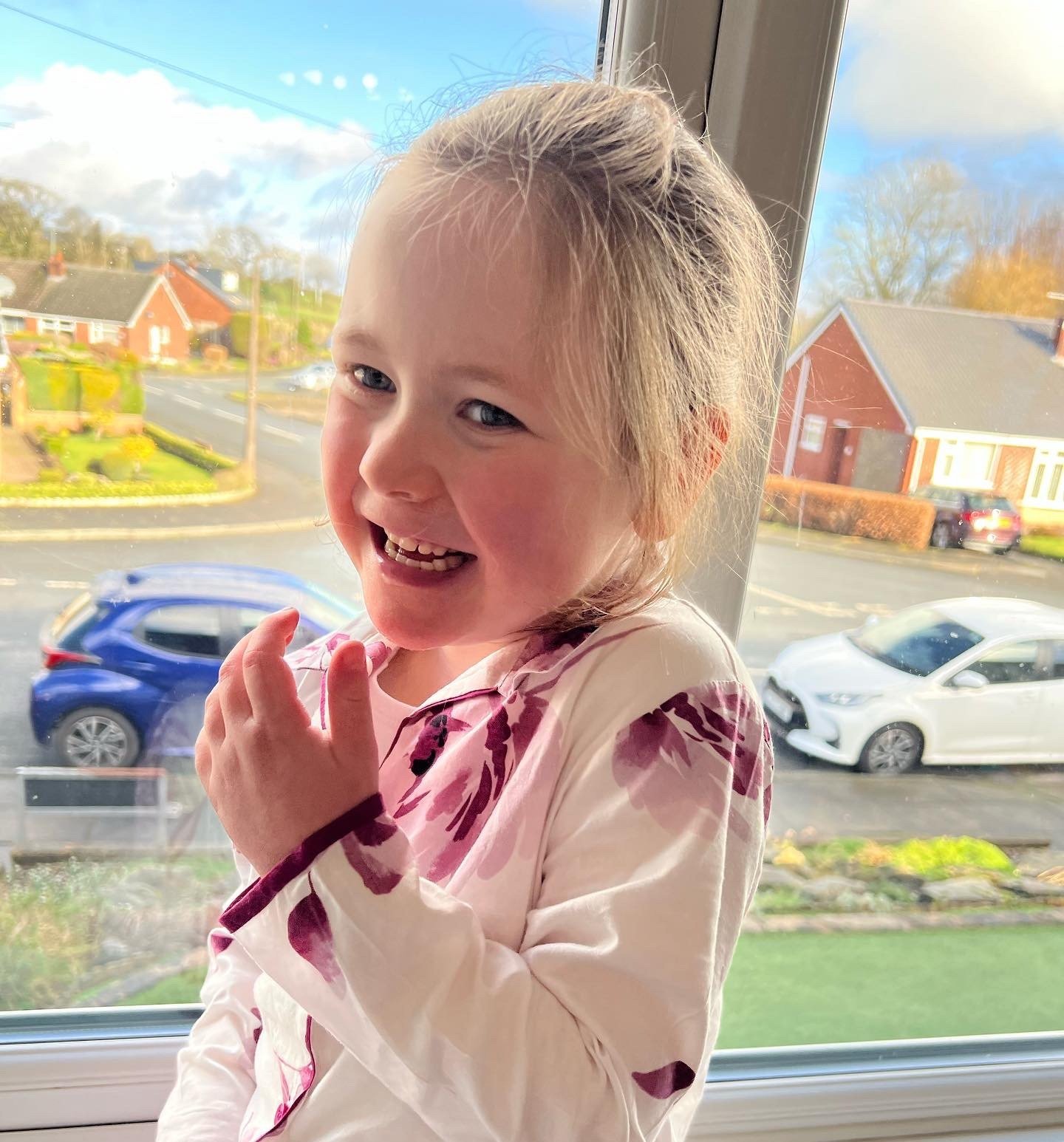
On a sad note, our inspiration to break barriers and move as fast as we can to advance our Long QT Syndrome program, lost her battle with Long QT Syndrome in late 2022. Isla Hutton passed away just prior to her 7th birthday due to complications from her disease.
Our commitment to find a therapy for children like Isla has never been stronger and we are humbled by the struggles of patients and families who live with this terrible disease.
2023 is shaping up to be a phenomenal year and we expect to have multiple data readouts that will hopefully be transformative, including:
Our final readout from our Phase 1 safety study
Data from our Long QT Syndrome Phase 2 study
Initiation of our Patient Engagement Program "Catch the QT Wave" where we hope to change the lives of patients with Long QT Syndrome Type 2 and Type 3
Exploratory data from mice in an obese model of atrial fibrillation
Exploratory data from various on-going in vivo models of advanced breast cancer and anaplastic thyroid cancer.
Wishing all our supporters, patients and families a healthy and happy new year!
Debra Odink
President & Chief Development Officer

Racing for a Cure for Long QT Syndrome: A Day with Dr. Das
Dr. Saumya Das, PhD MD, answers some tough questions about his research and the difficulties of treating individuals with a chronic syndrome.

We are now Thryv.
LQT Therapeutics Inc. has changed its name to Thryv Therapeutics Inc.

Dr. Saumya Das, PhD, MD
Dr. Saumya Das, an established cardiologist from Massachusetts General Hospital and a leading researcher in the world of Long QT Syndrome, is a fascinating person to meet. While Saumya lights up when talking about about his children - he has a soccer-star son and twin daughters with a passion for horseback riding - he also shines the light on his research and the difficulties of treating patients with a chronic syndrome.
Saumya first became interested in medicine listening to stories from his grandfather, who was also a physician. He enjoyed learning about the intellectual side of medicine and the pursuit of treating disease. As he began his own medical journey, he fell in love with the human side of medicine. He has had some of the same patients for generations, watching them become parents and treating their families and describes these people as his extended work family.
When asked to explain Long QT, Dr. Das described it as a specific genetic condition that Long QT patients are born with. The heart is an electrical organ which provides blood to other organs. To pump blood, the heart needs to squeeze, and this requires calcium to facilitate an electrical response within heart cells. This calcium balance is regulated by electrical flow into the heart by proteins called ion channels; problems with ion channel function due to mutations can lead to dangerous, disordered rhythms due to irregulators of electrical current flow into heart cells. These irregular heart rhythms are what cause the devastating effects of Long QT Syndrome such as seizures, cardiac arrest and in some cases, death.
A condition affecting young people is always heartbreaking. When asked how the syndrome affects the lives of his patients and their families, Saumya somberly replied,
“They describe it as a bomb waiting to go off. The anxiety and uncertainty of not knowing when an attack may occur can be very triggering.”
He also explained that some patients who have experienced a cardiac arrest will have defibrillators implanted to shock their heart back to a normal rhythm. These shocks are very painful and, not surprisingly, some patients live with a type of post-traumatic stress disorder as a result. Although the effects of Long QT are varied, the fear of the unknown is not. This is why Saumya is so passionate about researching treatment.
One hypothesis Saumya has been working on for many years is the idea of blocking a protein known as SGK1 (serum and glucocorticoid responsive kinase) that controls ion channel function. Saumya and his collaborators’ animal and stem-cell research both seem to validate that when SGK1 is elevated and active, the heart is more likely to have arrhythmias. Therefore, a therapy which blocks SGK1 may help prevent these arrhythmias from occurring.
Although Dr. Das has had a very successful career so far, he remains humble, and when asked about a proud career accomplishment, his answer reflects his humble demeanor. He is most proud of the students he has mentored throughout his career - many who have gone on to be great doctors. He is happy to be imparting knowledge that will help the next generation succeed.
He is also proud of his work contributing knowledge to the development of novel therapies which could help his patients in need. As a concept, the blockade of SGK1 as a therapeutic approach had very little research until about 15 years ago. Thanks to Dr. Das, this idea and future efforts to bring these therapies to patients now could help save lives.
Outside of work, Saumya likes to stay active and healthy. He loves to run and has even dabbled in rock climbing. He loves the outdoors, and as mentioned earlier, is very proud of his three children. We are thankful to have Dr. Das as a part of a team of drug development experts focussed on delivering on the promise of his research.
Real Life LQTS Journeys
To see what the different types of LQTS look like in the lives of everyday people, please visit the stories shared by those diagnosed with LQTS. These incredibly brave individuals have shared their symptoms, diagnoses, treatments and how LQTS influences their lives, so we can be informed and bring the LQTS community together.
For more information on Long QT Syndrome, visit these articles:

How Many LQTS Patients are There?
LQTS has a very real impact. At a rate of 1 in 2,500 newborns, prevalence could be north of 130,000 people in the USA alone. Most importantly, we have the ability, and perhaps the moral obligation, to diagnose LQTS and uncover individuals born with it.
We are now Thryv.
LQT Therapeutics Inc. has changed its name to Thryv Therapeutics Inc.
Over the past few months we’ve made great progress at LQT Therapeutics. Our research is beginning to pay off as several of our compounds have demonstrated promising initial effects in inducible pluripotent stem cells from patients with Long QT Syndrome (LQTS) - a standard cellular experiment used to evaluate the potential of therapies to manifest changes in action potential duration - a electrical signal correlated to the QT interval.
We have multiple compounds that have the basic characteristics of a potential clinical lead compound and we continue to advance towards initial toxicology studies which will enable our eventual clinical programs. It seems, in light of our promising (still early) research results, that we should revisit our Long QT Syndrome patient populations and put this rare disease into perspective.
One of the primary challenges of rare diseases is that they are … well, rare. A disease is generally defined as rare if it affects less than 200,000 U.S. adults. While rare diseases are individually uncommon, there are many rare diseases in the aggregate, with nearly 7,000 rare diseases affecting 25-30 million U.S. adults, or roughly 9-12 percent of the U.S. population.
Patients with rare diseases face three primary challenges:
They suffer the consequences of the disease but continue to live undiagnosed,
They experience the manifestations of the disease, but struggle to find physicians knowledgeable enough about their condition to effectively treat and manage them,
They may face high costs for disease-specific medications and treatments.
For physicians dealing with patients diagnosed with rare diseases, knowledge with managing such diseases are typically concentrated in a relatively few number of highly experienced clinics where clinicians have taken special interest and have developed deep experience with these conditions. Of course, a clinician’s expertise in managing any disease or disorder is proportional to the frequency with which she treats patients with the disease or disorder.
At LQT Therapeutics, we’re often asked, “How prevalent is Long QT Syndrome?” and “How many patients are treated annually?” They are great questions and while we can attempt to estimate the number of patients from genetic studies or extrapolate from hospital admissions, often we don’t precisely know how many people are afflicted, until a therapy is available …
The prevalence of Long QT Syndrome
There’s a lot unknown about the population of Long QT Syndrome (LQTS) patients, but there are several known ones. First, LQTS affects males and females in equal numbers and appears equally prevalent in all ethnic groups. The responsible mutation is genetically transmitted and thus it tends to run in families.
We also know animal models are difficult for researchers to exploit as they tend to be unreliable, unrepresentative of the true disease, and/or unproven. Recent advances in the use of stem cells from LQTS patients is by far the best tool researchers have.
LQTS is a disease that does not discriminate, and it is a very human disease, often resulting in sudden cardiac death.
The exact incidence and prevalence of the LQTS is not known. A 2009 study of nearly 45,000 infants found 17 cases of Long QT Syndrome, or 1 in 2,500 newborns. Sixteen of those cases were confirmed through genetic screening. While the study had some limitations, when combined with the findings of Dr. Silvia Priori’s study where more than 35 percent of patients with Long QT Syndrome experienced serious cardiac events by the time they are 40, the need for new approaches becomes very clear.

Citation: Prevalence of the Congenital Long-QT Syndrome, Peter J. Schwarz, et. al., Oct. 19, 2009

Citation: Kaplan–Meier Estimates of Cumulative Survival Free of Cardiac Events among the 580 Patients with the Long-QT Syndrome in the Risk-Stratification Analysis, According to the Quartile of the QT Interval Corrected for Heart Rate (QTc).
LQTS is a human condition with a very real human impact, and at a rate of 1 in 2,500 newborns, prevalence could well be north of 130,000 people in the United States alone. Most importantly, we have the ability, and perhaps even a moral obligation, to diagnose LQTS and uncover the patients born with this disease. While ECG screening is often utilized for competitive school sports, multiple organizations including the Cardiac Safety Research Consortium and the FDA (though other stakeholders are expected to become engaged) are exploring approaches to childhood screening in the US.
Prevalence vs. importance
Prevalence aside, LQTS is an important disease for several reasons. LQTS is often a lethal disorder, and symptomatic patients left without therapeutic treatment have a very high mortality rate within one year from a patient’s first syncope (temporary loss of consciousness caused by a fall in blood pressure). They also experience clinically meaningful symptoms such as marked lightheadedness and syncope. Current therapies, mainly beta blockers and implantable defibrillators, are not adequate, and thus there remains a major unmet medical need for new therapies.
Even with less than optimal treatments and their inherent life-altering side effects (often leading to non-compliance), the impact on mortality alone makes the search for treatments of symptomatic but undiagnosed patients mission-critical.
Additionally, LQTS is a cardiac disease in which molecular biology and genetics have made tremendous progress and is a prime example of the genotype-phenotype correlation. In this regard it represents a paradigm for sudden cardiac death, and further progressive study in both the lab and the clinic helps the entire medical community to better understand the mechanisms underlying sudden death in more complex cardiac disorders such as ischemic heart disease and heart failure.
Answering a question with a question?
How prevalent is LQTS? How many patients are there? How many would be “enough?”
LQT Therapeutics has been honored to share the LQTS stories of the most courageous people we’ve ever met:
Charlie Moisey, a young mother and a 4x cardiac arrest survivor
Alexis Holmgren, a young Canadian who doesn’t let LQTS slow her down from a number of accomplishments, working tirelessly for inclusion for everyone
Daiana Diaz Montes, a beacon of joy for her central California community
Darcy Carhill, who went from flatlining to giving birth … over the span of just nine minutes
Emily Boone, who doesn’t let LQTS slow her down from working as a full-time occupational therapist
Marjaan Barbano, a cardiac arrest survivor who has recently started a family
Sarah Michaelis-Heidman, a 25-year old 3x cardiac arrest survivor committed to driving awareness for a number of life-altering conditions
Isla Hutton, a four-year old Brit who will melt your heart with her smile
Alexander, Adrien and Palmire Thomas, all reaching, and one dancing, for the stars despite LQTS
These brave LQTS warriors are part of the community that inspires our team at LQT Therapeutics, and stokes the fire that drives us to #BeRelentless in finding advanced treatments - and eventually a cure. Read their stories and join us in spreading the word about LQTS.
Long QT Syndrome is a discoverable disease that can be treated, and we’re working tirelessly in the laboratory to uncover even more effective treatments - for these strong and courageous people.

Long QT Syndrome and Its Various Types
Long QT Syndrome is a relatively rare heart rhythm disorder. It affects the heart’s electrical system, resulting in abnormal electrical activity that can cause potentially fatal rapid heart rates and rhythms. There are various types of LQTS, and this article provides an overview of them.
Long QT Syndrome (LQTS) is a relatively rare heart rhythm disorder. It affects the heart’s electrical system, resulting in abnormal electrical activity in the heart that can cause potentially fatal rapid heart rates and rhythms. There are many types of inherited LQTS, and this post attempts to provide a high-level overview to answer the question, “What are the different types of Long QT Syndrome?”
The QT Interval
Essentially, the QT interval is the amount of time it takes for the heart’s ventricles, its lower chambers, to contract and pump blood, and then recover. In a heartbeat, the QT interval is the time from the beginning of the QRS complex, representing ventricular depolarization, to the end of the T wave, resulting from ventricular repolarization. Ventricular repolarization is the time it takes for the heart’s electrical system to transmit a signal through the ventricles and reset.
A long QT interval is an abnormal pattern as detected on an electrocardiogram (ECG), a simple, noninvasive test that measures electrical signals in the heart. With each heartbeat, an electrical signal travels through the heart, and an ECG can illustrate if the heart is beating at a normal rhythm and rate.

According to the Sudden Arrhythmia Death Syndromes (SADS) Foundation, LQTS is primarily diagnosed upon the detection of a prolonged QT interval on an ECG. A QTc of 470 milliseconds (ms) in males and 480 ms in females is generally considered strongly suspicious for LQTS, in the absence of medications, which prolong the QT interval or other forms of heart disease.
In people who have LQTS, the heart takes longer to repolarize or reset between beats - that is, the QT interval lasts longer than normal - and can lead to the development of dangerous rapid heart rates (arrhythmias), called torsade de pointes, which may manifest as fainting, sudden cardiac arrest, or death. Torsade de pointes is a very characteristic arrhythmia because the QRS complexes appear to be twisting around an isoelectric baseline.
Example of torsade de pointes on an ECG
Long QT Syndrome is due to an inherited genetic mutation affecting one of several cardiac ion channels. In addition, patients receiving drugs which prolong their QTc can also develop long QT intervals that predispose them to torsade de pointes. The three most common types of inherited LQTS are Types 1, 2 and 3, which have similar symptoms and complications, but different genetic causes and triggers for arrhythmia development.
Common Types of Inherited LQTS (LQTS Type 1, Type 2 & Type 3)
In Long QT Syndrome Type 1 (LQT1), a potassium ion channel coded by the KCNQ1 gene has a reduced current resulting in QT prolongation, disrupting the heart’s electrical activity. Physical exercise and emotional stress can trigger torsade de pointes.
Long QT Syndrome Type 2 (LQT2) results from reduced potassium current flowing through the hERG channel encoded by the KCNH2 gene. Emotional stress, surprise, and startling can initiate arrhythmias in people with LQT2, and common triggers include sudden, loud noises such as horns or even alarm clocks.
Long QT Syndrome Type 3 (LQT3) occurs when too much sodium flows through the heart’s ion channels due toSCN5A gene mutations. The increased sodium flow alters the cardiac cells’ proper electrical activity in the heart, and can trigger an arrhythmia. People with LQT3 often develop arrhythmias during sleep or rest, associated with a slower heart rate. Although people with LQT3 have fewer episodes of arrhythmia, those episodes are more likely to be fatal.
Long QT Syndrome Type 5
Research and related insights into Long QT Syndrome Type 5 (LQT5) is relatively new in the field, and prior to late 2019/early 2020 had been limited. Recently, new studies have been conducted to improve the community’s understanding of the clinical phenotype and genetic features associated with rare KCNE1 gene variants implicated in LQT5. Two individuals with LQT5, Marjaan Barbano and Darcy Carhill, have been featured in Thryv Therapeutics’ Shared Stories series.
Multisystem Disorders Associated with Either Prolonged QT or QTU Intervals
Far less common disorders include:
Ankyrin-B Syndrome - originally labeled LQTS Type 4 (LQT4).
Andersen-Tawil syndrome (ATS) - formerly identified as Long QT Syndrome Type 7 (LQT7) is a rare multisystem disorder characterized by a triad of clinical features including periodic paralysis, dysmorphic features, and ventricular arrhythmias.
Timothy Syndrome (TS) - formerly known as Long QT Syndrome Type 8 (LQT8), and is an extremely rare, multisystem, highly lethal arrhythmia disorder associated with extreme QT prolongation, dysmorphic facial features, congenital heart disease, immune deficiency, developmental delay, and often syndactyly.
Real Life LQTS Journeys
To see what the different types of LQTS look like in the lives of everyday people, please visit our Shared Stories series. These incredibly brave individuals have shared their symptoms, diagnoses, treatments and how LQTS influences their lives, so we can be informed and bring the LQTS community together.

Why SGK1 May Be the Key to Unlocking Advanced LQTS Treatments
SGK-1’s neuronal excitability and its effect in action potential morphology (APM) of cardiomyocytes has captured the full attention of our scientists.
We are now Thryv.
LQT Therapeutics Inc. has changed its name to Thryv Therapeutics Inc.
SGK1 (Serum/Glucocorticoid Regulated Kinase 1) is a serine/threonine protein kinase that plays an important role in cellular stress response. This kinase activates certain sodium, potassium and chloride channels, suggesting an involvement in the regulation of processes such as cell survival and neuronal excitability.
Laboratory science has long shown that SGK1’s cellular stress response contributes to regulation of renal Na(+) retention, renal K(+) elimination, salt appetite, gastric acid secretion, intestinal Na(+)/H(+) exchange and nutrient transport, insulin-dependent salt sensitivity of blood pressure and salt sensitivity of peripheral glucose uptake. However, fairly recently, SGK1 has been further studied related to its effect on cardiac repolarization.
Simply, as SGK1 is involved in regulation of sodium channel in cardiac cells, any over-activity of this kinase function recapitulates Long QT Syndrome and is associated with heart arrhythmias.

Prior research with transgenic mice has shown that mice expressing constitutively active SGK1, resulting in increases in the late Na+ current, are prone to arrhythmias, while mice expressing dominant negative SGK1 are protected from arrhythmias. It’s precisely that data set that suggests SGK1 is a prime target for shortening action potential duration (APD) in Long QT Syndrome Types 1, 2, and 3, which covers approximately 90 percent of all LQT Syndrome genotypes.
SGK1’s neuronal excitability and its effect in action potential morphology (APM) of cardiomyocytes has captured the full attention of LQT Therapeutics’ laboratory scientists.

At LQT Therapeutics, our team is aiming to develop a potent SGK1 inhibitor. We have a group of highly-qualified chemists who synthesize new molecules, turning their work, in turn, over to an equally competent team of biologists who then study the biological effects of these molecules.
The potency of the synthesized SGK1 inhibitor molecules are tested by both biochemical kinase assays and whole-cell kinase assays. The team then studies the potency of these molecules to decrease the action potential duration of Long QT Syndrome patient-derived cardiomyocytes. Following in vitro testing, the team then focuses on the effectiveness of its molecule in rodent models of Long QT Syndrome.
In addition to investigating the effectiveness of our molecules in combating Long QT Syndrome, the research team also investigates whether these molecules are safe to be administered as drugs. To guarantee its limited off-target effects, the laboratory researchers investigate its toxicity, mutagenic potential and its effect on specific cardiac ion-channels, other receptors, other ion-channels in the body, and kinases. Finally, the LQT Therapeutics team identifies the best mode to administer the molecule in humans, which is gained by performing studies that investigate its permeability, stability in liver microsomes, oral/IV pharmacokinetic studies and formulation studies.
At present, LQT Therapeutics researchers have synthesized numerous molecules that have shown strong SGK1 inhibition potential. As experiments investigating their specificities have suggested they have low toxic and off-target effects, the team has also established a system to study the new molecules’ effects in Long QT Syndrome patient-derived cardiomyocytes. Our researchers have also gained a significant understanding of the permeability and distribution of the molecules when administered in rodents and in the near future they will be testing the effectiveness of their molecules on Long QT Syndrome through in vitro and in vivo experiments. Upon successfully concluding those steps, the team will then move forward to investigational new drug (IND) studies.
The entire LQT Therapeutics team remains relentless in its pursuit for advanced treatments for LQTS; stay tuned for a progress update soon!

Dr. Maroua Khalifa, Ph.D
Dr. Maroua Khalifa Ph.D is a research scientist reviewing chemistry and biology reports, designing new molecules and their synthetic routes to target specific biological pathways, and developing and executing multi-step synthesis of new small molecules.
We are now Thryv.
LQT Therapeutics Inc. has changed its name to Thryv Therapeutics Inc.
At LQT Therapeutics, our most valued resources are the remarkable team members who work toward the development of more effective therapies for patients suffering from Long QT Syndrome, life-threatening arrhythmias and treatment-resistant cancers. In this post, we’d like to introduce you to Dr. Maroua Khalifa.
Dr. Khalifa was born and raised in Tunisia, growing up by the sea. In 2012, upon being named the recipient of a prestigious local scholarship, she moved to Canada to pursue her Ph.D. at the University of Montreal, where she graduated in 2017.
She returned home and worked as a research and development project manager at Novalix Tunisia before once again relocating to Canada to consult at Gladius Pharmaceuticals. Dr. Khalifa joined LQT Therapeutics in November of 2019.
A fluent speaker of three languages (Arabic, French and English), Dr. Khalifa recently took time from her laboratory research to share more about herself.

Describe your role at LQT Therapeutics: What are your day-to-day tasks and accountabilities?
Dr. Khalifa: My position at LQT Therapeutics is that of a research scientist, in both chemistry and medicinal chemistry. In that role, I review chemistry and biology reports, design new molecules and their synthetic routes to target specific biological pathways, and develop and execute multi-step synthesis of new small molecules.
Tell us a bit about your upbringing: What and who were the biggest influences in your life?
I am Tunisian, born and raised in Tunisia in a family of five, where I grew up by the sea. I am where I am at today thanks to my parents who always encouraged me to give my best in everything I do. My parents are the biggest influences in my life: They are handworkers and achievers of dreams. They gave me the strength, hope and love I needed to achieve my own goals.
When I look back, I realize I had to overcome several challenges, including leaving my family behind and starting a whole new life half a world away. It was a big cultural difference for me, and it was magnified by working under a professor who demanded nothing less than perfection. It would have been easy to have given up and tried something new - I have friends and colleagues who have done just that. But, my parents taught me that if I wanted something, I could achieve it through hard work and perseverance. For me, it’s about focusing and never abandoning the dream.
Of your life experiences, what has taught you the most, and how do you reflect on that learning as you go forward?
When I was 16 years old, my father was diagnosed with epilepsy, and since that day, our lives have changed. A lifelong treatment was needed in order to control his seizures. Learning how to live with this condition and finding the right treatment was so challenging but because of our faith and perseverance, we are now leading a relatively normal life again.
The entire experience showed me how important it is to patients, and their families, to receive the right treatments and, hopefully, remedies; to be able to live their lives with no fear and without restrictions.
It also affected my career path. Up to that time, I had envisioned myself as a pharmacist. After my father’s diagnosis and the journey we travelled on together to discover and adopt an effective treatment, I decided to pursue a different career option, where I hopefully could make a larger impact.

What sparked your interest in science, and when did you decide upon science as a career path?
Since I was a kid, I have always been curious and very observant, and I always wanted to discover how things worked. While other kids were playing outside, I was enjoying myself with experimenting or reading science books and magazines. So, when I grew up and I had to choose a path, it was a very clear choice: Science!
How did you first learn of Long QT Syndrome, and how has further learning about LQTS impacted your professional work?
The first time I heard about LQT Syndrome, it was late 2019 when we were establishing the company in Laval. LQTS is not a common disease; many understand heart failure, but not so many understand LQTS as one of its root causes. So, I started immersing myself in understanding more about this rare condition, and the more I learned, the more eager I got to help those patients to lead a normal life. I continue to find it very inspiring and motivating to read about their stories.
What is the most rewarding aspect of your work at LQT Therapeutics?
I find the most rewarding aspect is that one day, by developing the right small therapeutic molecule, we can help a person pursue their dreams freely without limits or fear.
Over the years and with personal experience, I have come to know the struggle of patients with rare diseases not well understood by doctors and researchers. In addition to my father being diagnosed with epilepsy, my best friend was also diagnosed with epilepsy, and I’ve gone through those journeys with them together. There is immense reward, and pride, in helping them live a more normal life. My drive is that we can accomplish that for those with LQTS everywhere.
Outside of work, what are the activities you’re most passionate about?
Away from the lab, I love reading books, particularly novels, and especially anything written by Paulo Coelho. I also paint, and my favorite mediums are on silk and on glass, depending on my inspiration at the time. I also enjoy exercising and I work out regularly.

In addition to those hobbies, I also enjoy volunteering, and my interests there revolve around children, those with autism spectrum disorder and those with Down syndrome.